
Article References
-
Brent settles at lowest since before start of Iran war as more tankers exit Hormuz
The benchmark global oil price declined more than $3 on Wednesday to settle at its lowest level since before the start of the Iran war as supply concerns eased with more stranded oil tankers exiting the Strait of Hormuz.
-
Oil price falls to levels not seen since before Iran war – BBC
Signs that traffic through the key Strait of Hormuz shipping route is gradually resuming has helped to push the oil price down.
-
Qatar plans to rapidly restart LNG production after Strait of Hormuz …
The country shut the world’s largest LNG facility in the war's first week after an Iranian attack. Read more at straitstimes.com. Read more at straitstimes.com.
-
Brent crude falls below $74 for first time since start of the Iran war
Brent crude dropped below $74 a barrel on Wednesday for the first time since the start of the Iran war in late February, as investors continued to price out the geopolitical risk premium that had driven energy markets higher during the conflict.
-
Liquefied Natural Gas Japan Korea – Price – Chart – Historical Data
LNG JKM fell to 15.39 USD/MMBTU on June 25, 2026, down 1.06% from the previous day. Over the past month, LNG JKM's price has fallen 16.50%, but it is still 15.46% higher than a year ago, according to trading on a contract for difference (CFD) that tracks the benchmark market for this commodity. This page includes a chart with historical data for Liquefied Natural Gas Japan Korea.
-
Global shippers cautious on Hormuz transit despite US-Iran deal
Shippers in Asia and Europe said confidence in resuming transit through the Strait of Hormuz could take weeks to rebuild and navigation will only restart once safety is assured, after the U.S. and Iran agreed a framework deal to reopen the waterway.
-
Global Shippers Cautious on Hormuz Transit Despite US-Iran Deal
Shippers in Asia and Europe said confidence in resuming transit through the Strait of Hormuz could take weeks to rebuild and navigation will only restart once safety is assured.
-
When will Strait of Hormuz be 'safe' for commercial shipping again?
Even if the strait reopens, shipping insurance could cost 20 times more than before the war, analysts say.
-
QatarEnergy update statement on operational incident at Ras Laffan …
QatarEnergy update statement on operational incident at Ras Laffan Industrial City Further to the statement on the explosion and fire on Sunday 21 June 2026 at Barzan local gas supply facility at…
-
Thirteen dead, dozens injured, after blast inside Qatar's Ras Laffan …
Operations had been halted after an Iranian attack in March.
-
Explosion at Qatar's Ras Laffan LNG facility kills at least 13 | Energy
The blast, caused by 'technical malfunction' also injured dozens, authorities said, but will not affect exports.
-
At least 13 killed and dozens injured after Qatar gas explosion – BBC
The city's main liquified natural gas (LNG) processing site suffered a "technical accident" in the Ras Laffan industrial zone.
-
Exclusive | Iran Estimates $40 Billion Windfall From Reopening Hormuz With Gulf States
The deal to unblock the global energy funnel gives Iran a say in its future management, and a route to riches.
-
Oil prices finish 1% lower as investors focus on Hormuz flows after …
Oil prices settled 1% lower on Tuesday as investors kept a close watch on crude flows through the Strait of Hormuz following signs of progress in U.S.-Iran peace talks.
-
Iran boasts about looming $40 billion windfall it never had before …
Iran has discussed plans with its neighbors to extract billions from the global economy by setting up permanent tolls in the Strait of Hormuz—a direct result of President Trump's disastrous war that…
-
Qatar to resume normal liquefied natural gas production 'within a few weeks', PM tells FT
Qatar's Prime Minister Sheikh Mohammed bin Abdulrahman al-Thani said the Gulf state would resume normal liquefied natural gas production 'within a few weeks', the Financial Times reported on Wednesday.
-
Energy Prices Rising Fast: Why a Big Upward Revision Is Raising …
The U.S. Energy Information Administration (EIA) released its latest Short-Term Energy Outlook (STEO). From our perspective, the most interesting takeaways from the report are related to the natural gas market – in particular, how forecasts have changed over the past few months.
-
Initial deal to end US-Iran war moves toward formal signing | AP News
An initial agreement between the United States and Iran to extend their shaky ceasefire is inching toward a formal signing.
-
Why 2026 Is the Real Inflection Point for U.S. LNG Exports
Why 2026 Is the Real Inflection Point for U.S. LNG Exports
-
US and Iranian negotiators reach deal to re-open strait of Hormuz …
Negotiators for the US and Iran have reached an agreement to re-open the strait of Hormuz, extend the current ceasefire and begin negotiations on Iran’s nuclear programme. It’s understood they have agreed the current ceasefire should continue for a further 60 days. Under the terms of the deal the Strait of Hormuz would re-open to shipping, returning to the situation that existed before the US and Israel launched their recent military action against Iran. Donald Trump is still to approve the…
-
QatarEnergy ready to restart LNG output, reach current capacity in …
QatarEnergy is ready to resume liquefied natural gas production at its Ras Laffan LNG plant very quickly and could reach within a month full output of facilities unaffected by Iranian strikes, a person with knowledge of the matter told Reuters on Tuesday.
-
US natural gas futures rise as demand outlook strengthens – Reuters
U.S. natural gas futures climbed about 3% on Wednesday on forecasts for hotter-than-normal weather and more demand over the next two weeks than previously expected.
-
Trump says deal to end war will be signed on Sunday, Iran … – Reuters
It is not the first time the two sides have appeared close to an initial agreement on ending the war.
-
QatarEnergy confirms that there was an operational incident during …
QatarEnergy confirms that there was an operational incident during the start-up of operations at Ras Laffan Industrial City which resulted in an explosion and fire at Barzan local gas supply facility…
-
Natural Gas Mid-Year Price Lull Belies Coming LNG, Data Center …
NGI's Henry Hub forward prices for winter 2025-26 remain elevated above $4.00/MMBtu, showing gas bulls still have life after the pullback.
-
Iran and US reach an initial deal to end the war and open the Strait …
The United States and Iran have reached an initial agreement that would extend their shaky ceasefire and lead to the reopening of the Strait of Hormuz. But significant challenges remain to ending the war, including whether Israel will continue its offensive in Lebanon.
-
Qatar plans rapid LNG output restart after Strait of Hormuz reopens
-
US natural gas prices soften as warmth returns despite strong LNG …
US natural gas prices eased as warmer weather reduced demand, even as LNG feed gas remained strong. April Henry Hub is trading at $2.94/MMBtu, back below the $3 handle as a milder forecast and weaker oil prices pull the prompt month lower and shift attention back to spring fundamentals. The biggest demand driver is a much warmer weather run that removed around 24 Bcf from two-week demand guidance as HDDs fade into late March, while the main offset remains LNG feed gas holding at 20.3 Bcf/d. On…
-
US & Iran reach tentative deal to end war and open Hormuz, but …
The United States and Iran reached an initial agreement Monday that would extend their shaky ceasefire and lead to the reopening of the Strait of Hormuz, but significant challenges remain, including whether Israel will continue its offensive in Lebanon. Details of the agreement were not immediately released, but it appeared that it would not be implemented until it is signed, which mediator Pakistan said would happen Friday in Geneva. Until then, shipping will likely remain restricted in the…
-
Iran Estimates $40 Billion Windfall From Reopening Hormuz With Gulf States — Commodities Roundup
–Brent crude oil is up 1.6% at $75.01 a barrel. –European benchmark gas is up 0.8% to 40.74 euros a megawatt-hour. … Oil prices slipped back to levels seen before the Iran war as tanker traffic through the Strait of Hormuz picked up and a wave of supply trapped inside the Persian Gulf for months started flowing again.
-
Natural gas prices weekly update – JKM, TTF and Henry Hub (1 …
Natural gas prices update: JKM and TTF eased while Henry Hub rose on summer demand expectations and storage data.
-
Iran expects $40 billion windfall from Hormuz reopening, Brian …
Iran anticipates a $40 billion windfall from the reopening of the Strait of Hormuz with Gulf States, according to Brian Kilmeade.
-
Natural Gas Mar '26 (NGH26) – Barchart.com
Natural Gas futures price quote with latest real-time prices, charts, financials, latest news, technical analysis and opinions.
-
Oil reverses losses, rises after an Iran attack on cargo vessel – CNBC
Oil prices fell as investors bet global crude supplies will improve, as tankers stranded in the Persian Gulf for months have begun leaving the Strait of Hormuz.
-
Gas, LNG & The Future of Energy Conference 2027 | Wood Mackenzie
The Wood Mackenzie 5th annual Gas, LNG and the Future of Energy conference from 23-24 June 2027 is where the industry comes together in London to discuss the different market, investment and corporate dynamics shaping it, and the role of gas and LNG in supporting the energy transition.
-
Iran Firm On Hormuz Fee Plans, Eyes $40 Billion Revenue A Year
Tehran eyes lucrative overhaul of key oil chokepoint, proposes charges for maritime services amid post-conflict negotiations
-
Natural Gas Market Indicators – June 25, 2026
Summer is officially underway, and natural gas demand is rising as warming seasonal temperatures lift power-sector consumption. Along with strong LNG feedgas deliveries, total demand, including exports, is running above year-ago levels, underscoring the combined pull of domestic cooling needs and export demand early in the summer season. Even with stronger demand, Henry Hub futures prices have remained relatively stable, averaging $3.19 per MMBtu for the month through June 24, supported by…
-
Tehran seeks a long-term role managing the Strait of Hormuz …
Iran could generate up to $40 billion annually in fees from a proposed reopening and management framework for the Strait of Hormuz — one of the …
-
-
Uniper warns that LNG prices in Asia exceed $18 – Inspenet
Uniper LNG Asia Europe warns that LNG exceeds $18.20, with peaks of $25.30, threatening Europe's ability to attract cargoes.
-
Ras Laffan Industrial Zone Explosion in Qatar (June 2026)
Qatar's Ras Laffan Industrial Zone, located in the north of the country, has recorded the explosion as one of the major industrial accidents affecting the nation’s energy infrastructure. Following a technical malfunction at one of the local natural gas supply facilities, a fire broke out, resulting in dozens of injuries and reports of numerous missing persons. … The explosion occurred at the Barzan gas facility in the Ras Laffan Industrial Zone, approximately 80 kilometers north of Doha….
-
Natural gas prices weekly update – JKM, TTF and Henry Hub (22 …
Natural gas prices weekly update covering JKM, TTF and Henry Hub market movements for the week of 15–19 June 2026.
-
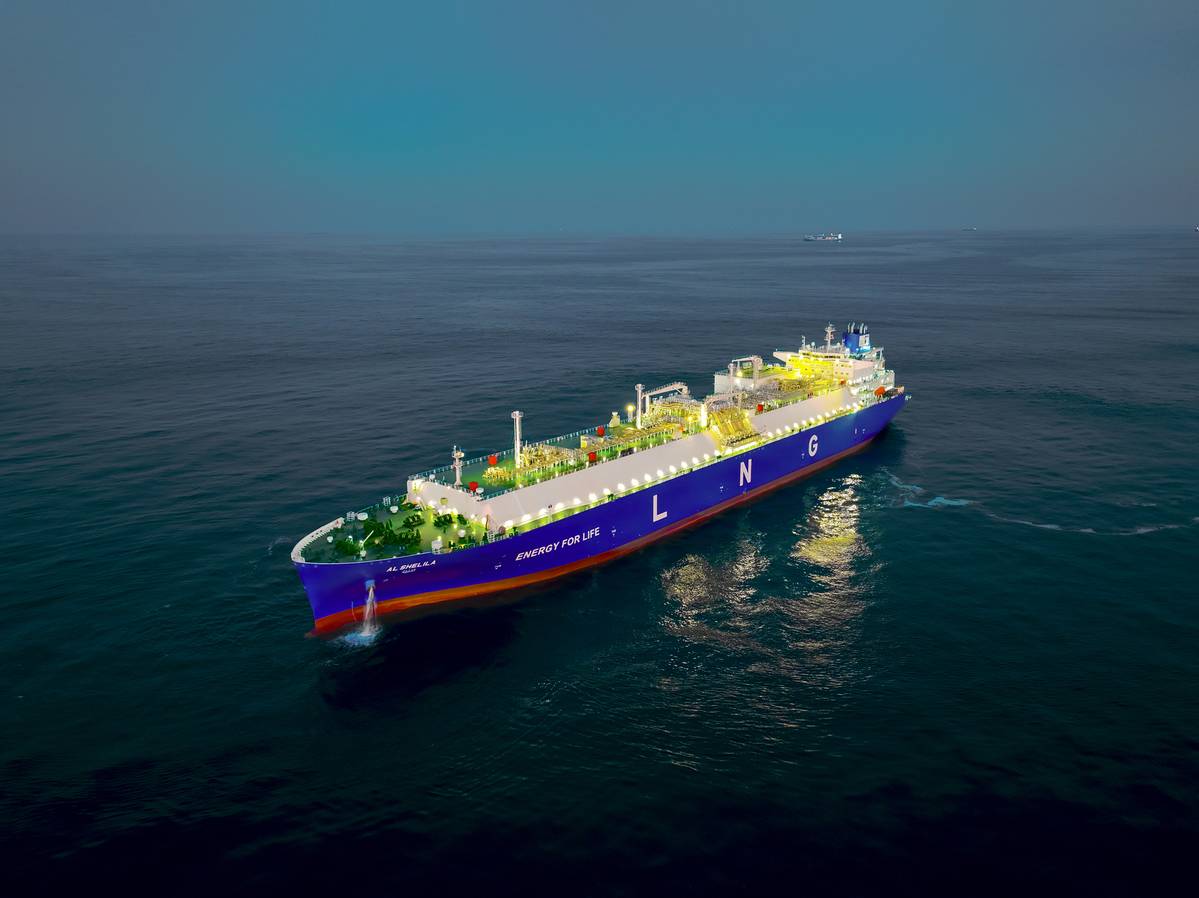
LNG tanker crosses Strait of Hormuz as US-Iran agreement takes …
Three ships laden with crude pass through key waterway as it opens for traffic
-
Global gas prices remain elevated across Europe and Asia while US …
Global gas prices remained elevated in Europe and Asia during May, while strong supply and storage levels continued to pressure US gas markets.
-
The Strait of Hormuz in 8 Charts – CSIS
As the standoff over the Strait of Hormuz drags on, new vessel-tracking and trade data reveal the state of play in the strait and explore how the crisis is rattling global markets.
More than a week after the United States and Iran signed a memorandum of understanding to end their war and reopen the Strait of Hormuz, global LNG prices remain stubbornly high as shipping bottlenecks, a deadly explosion in Qatar, and summer demand conspire to keep supply constrained.
Oil Flows Resume, but LNG Lags Behind
While crude oil tankers have begun transiting the Strait of Hormuz in growing numbers — with U.S. Energy Secretary Chris Wright reporting roughly 20 million barrels of crude passing through in a single 24-hour period this week — the LNG market has been slower to normalize. According to maritime intelligence firm Kpler, 284 ships have crossed the strait since the framework agreement took effect on June 17, though that remains well below the pre-conflict average of approximately 138 daily crossings. reuters.com bbc.com
Brent crude has fallen below $73 a barrel, its lowest level since before the war began on February 28, dropping nearly 40% from wartime highs near $118. Yet Asian LNG spot prices, as measured by the JKM benchmark, traded at $15.39/MMBtu on June 25 — still elevated compared to levels seen before the conflict disrupted Qatari exports that accounted for nearly a fifth of global supply. bbc.com straitstimes.com euronews.com tradingeconomics.com
Shipping Caution and Qatar's Setback
The disconnect between oil and gas recovery stems from two factors. First, tanker operators remain wary. Shipping association BIMCO still considers Hormuz transit “highly risky,” with mines a key concern. Insurance premiums for strait transit have surged from roughly 0.25% of hull value pre-war to nearly 5%, according to industry sources. ICIS global oil market leader David Jorbenaze said returning to full pre-conflict volumes is “realistically a 2027 story.” reuters.com claimsjournal.com aljazeera.com
Second, an explosion on June 21 at the Barzan gas facility inside Qatar’s Ras Laffan complex killed 13 workers and injured 66 during the restart of operations that had been halted since December 2025. Qatar’s Energy Minister Saad al-Kaabi insisted the blast would not affect LNG exports, and QatarEnergy said its main LNG facilities remained unaffected. But the incident underscores the fragility of a supply chain still recovering from months of disruption. facebook.com reuters.com aljazeera.com bbc.com
Iran's Toll Ambitions and the Path Ahead
As oil prices deflate, Iran is pursuing a new revenue stream. According to The Wall Street Journal, Tehran estimates that imposing fees for “security, safety, and environmental services” in the strait could yield $40 billion annually for participating nations. U.S. Secretary of State Marco Rubio has rejected the idea, calling it a breach of international law. wsj.com reuters.com rawstory.com
Qatar’s Prime Minister told the Financial Times on June 24 that the country plans to restart full LNG production “within a few weeks”, with QatarEnergy previously telling buyers it could reach 50% capacity within a month and 80% within two months of safe passage being restored. Until shipping confidence returns and damaged infrastructure is fully repaired, however, LNG buyers face a tighter market heading into peak summer demand. reuters.com straitstimes.com