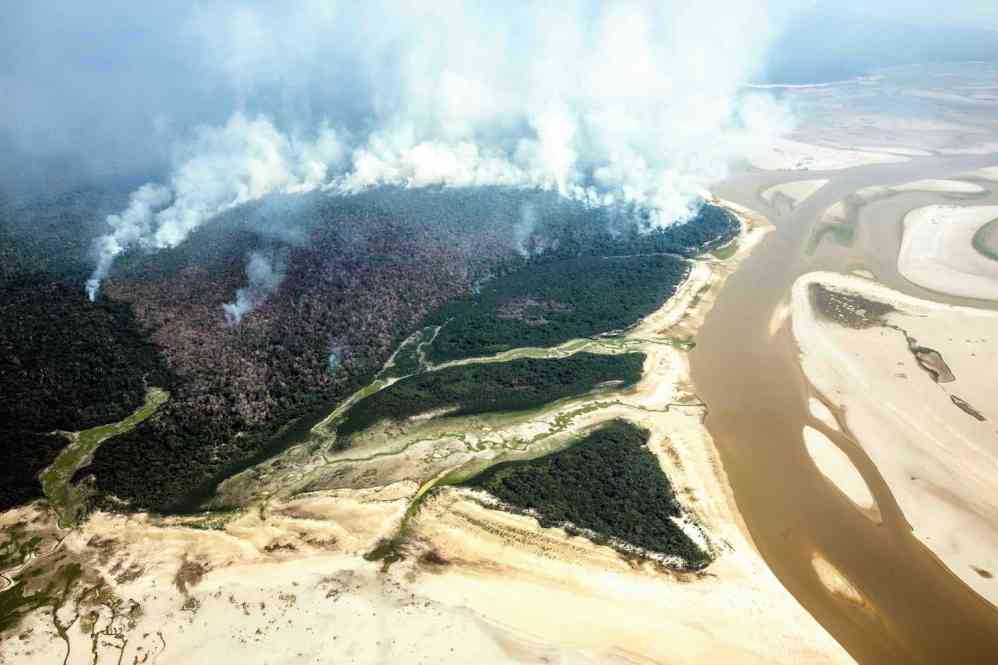
Brazil is on track to record its lowest Amazon deforestation rate since 2012, but a less visible threat — forest degradation driven by wildfires, logging, and drought — now far exceeds the pace of clear-cutting, raising alarms about the rainforest’s long-term survival.
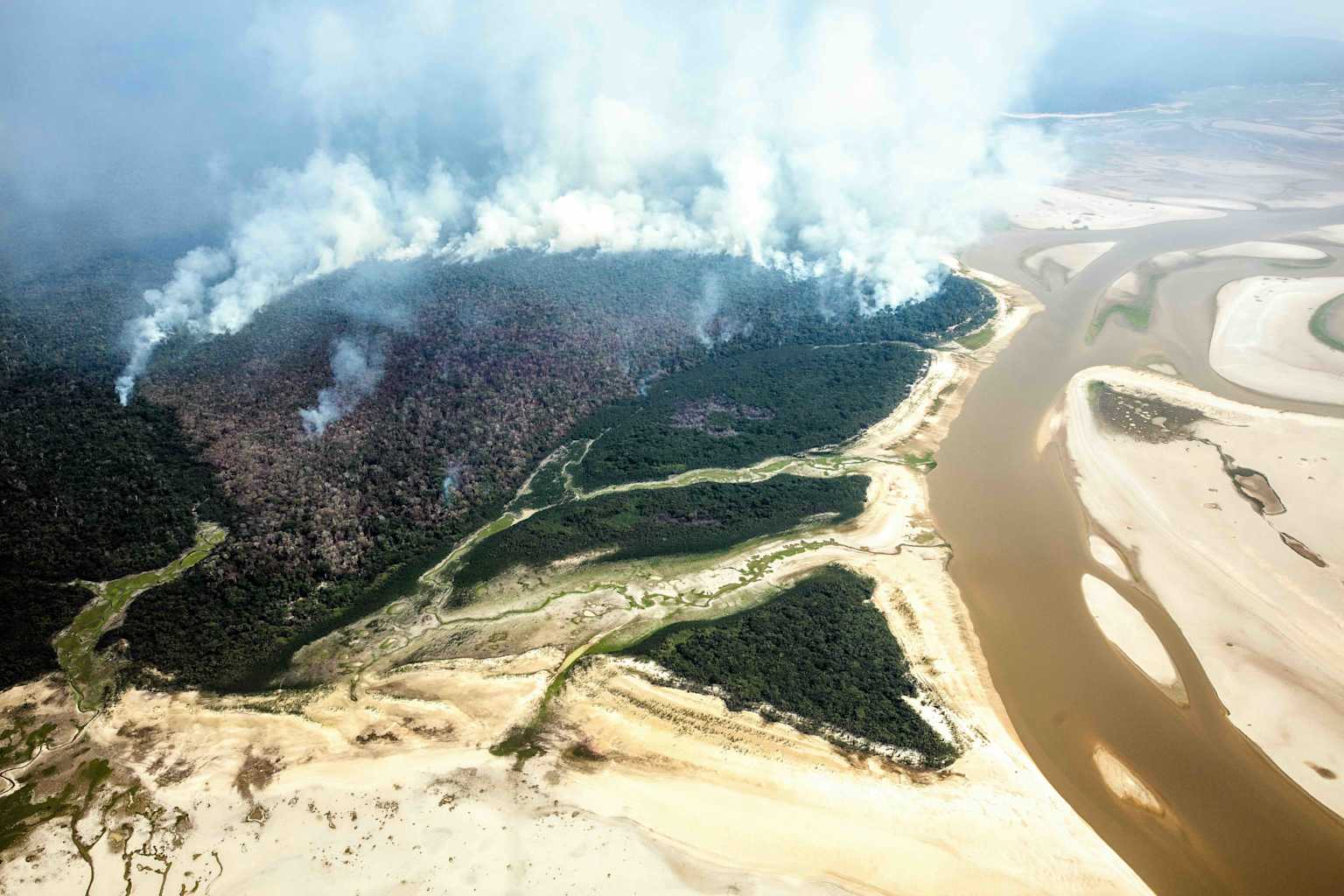
Degradation Eclipses Deforestation
From August 2025 through April 2026, Brazil’s DETER satellite monitoring system registered deforestation alerts covering nearly 1,700 square kilometers, while degradation alerts spanned approximately 4,420 square kilometers — more than two and a half times the area of outright clearing. Forest degradation, which leaves canopy partially standing but severely damages ecosystem function, now affects about 40% of the Amazon.
The Associated Press reported Thursday that while the Lula administration’s forthcoming official annual statistics, expected in October, will likely show the lowest deforestation rate since 2012, degradation “continues to surpass deforestation rates”. A Global Forest Watch report released in late April found that Brazil reduced non-fire-related forest loss by 41% compared to 2024, reaching the lowest level since records began in 2001. Environment Minister Marina Silva has credited strengthened enforcement and municipal cooperation for the gains.
Twin Threats on the Horizon
Two emerging risks could undermine Brazil’s progress. The National Oceanic and Atmospheric Administration forecasts a 61% chance of El Niño emerging between May and July 2026, with some models indicating it could develop into a “super El Niño” — potentially the strongest in over a century. El Niño is associated with severe drought and elevated fire risk across the Amazon, conditions that directly fuel degradation.
Meanwhile, Brazil’s agribusiness caucus is advancing a bill in the Chamber of Deputies to ban so-called remote embargoes — the satellite-based tool that allows IBAMA, the environmental enforcement agency, to block deforested land without physically visiting remote sites. IBAMA officials have warned that eliminating the technology would be equivalent to “going back to the fax machine,” making enforcement far slower and more expensive. The bill is under accelerated review and could be voted on at any time.
A Rainforest Nearing Its Limits
A study published this week in Nature by the Potsdam Institute for Climate Impact Research found that deforestation of 22–28% of the Amazon, combined with 1.5–1.9°C of global warming, could trigger a large-scale shift of the rainforest toward degraded forest or savanna. With 17–18% of the Amazon already lost, the system sits uncomfortably close to that threshold. “If we don’t do that by 2040, we cross the tipping point; then it is impossible to save the Amazon,” one researcher warned.