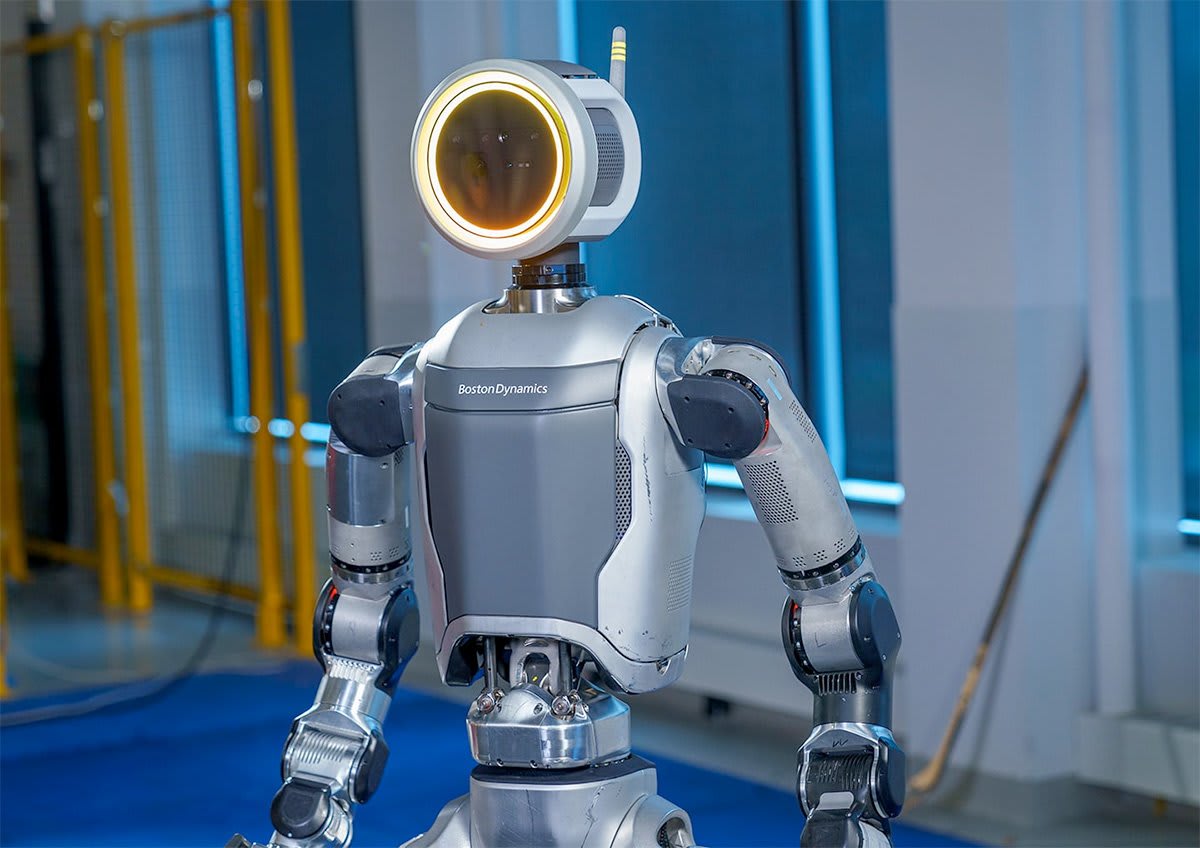
Boston Dynamics released the first-ever operational footage of its Atlas development model on May 5, showing the humanoid robot performing advanced gymnastics moves including handstands and L-sits in a video posted to its YouTube channel. Unlike previous research prototypes used in viral stunt videos, this is the version being prepared for real-world industrial deployment.
From Research Stunts to Factory-Floor Reality
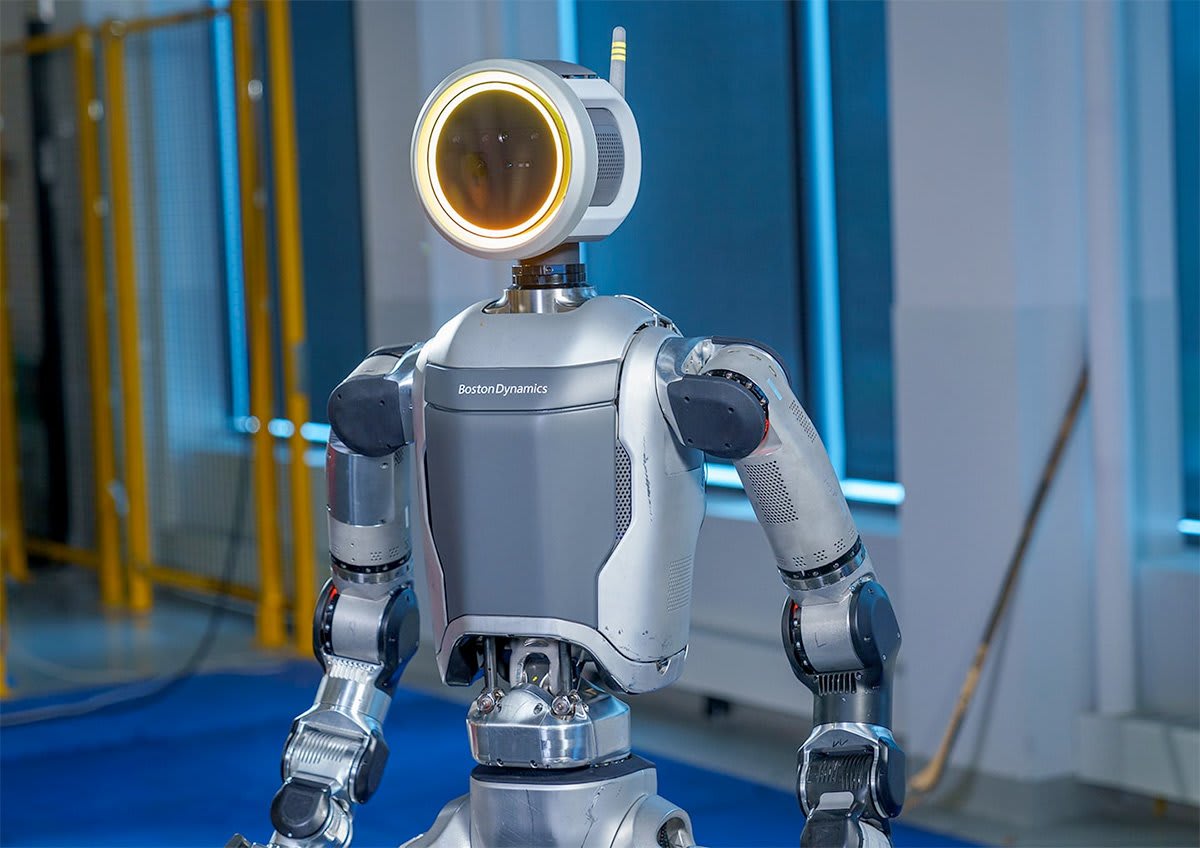
The video marks a distinction Boston Dynamics has been careful to draw: between its research Atlas, which has performed parkour and backflips for years, and the development model now being readied for commercial use. The development model shown performing gymnastics is the same version slated for deployment at Hyundai Motor Group’s Metaplant America electric vehicle factory near Savannah, Georgia.
The gymnastics demonstration, in which Atlas supports its full body weight on extremely small surface areas during the L-sit, showcases the robot’s whole-body control capabilities. Boston Dynamics previously released footage in February of the research version performing consecutive somersaults and walking on ice as “final tests to push the limits of whole-body control and mobility,” according to a company representative.
Path to Mass Production
Hyundai Motor Group announced at CES 2026 in January that it plans to deploy Atlas robots at its Georgia Metaplant beginning in 2028, initially for parts sequencing tasks. The company has outlined an aggressive production timeline: initial production in 2027, mass production of 35,000 to 40,000 units by 2028, and capacity reaching 150,000 units annually by 2029.
Boston Dynamics began manufacturing the production version at its Boston headquarters in January, with all 2026 deployments already committed to Hyundai’s Robotics Metaplant Application Center and Google DeepMind. A Robot Metaplant Application Center in the United States is set to open this year to train and validate robots before large-scale deployment.
Industrial Ambitions Behind the Acrobatics
The all-electric Atlas stands 6.2 feet tall, weighs about 198 pounds, and can lift up to 110 pounds. Its 56 degrees of freedom and fully rotational joints allow it to move in ways that exceed human flexibility — its head and torso can each rotate 360 degrees. The robot operates autonomously for approximately four hours on swappable battery packs and can service its own power supply without human intervention.
By 2030, Hyundai anticipates Atlas robots will transition from parts handling to component assembly, with a long-term vision of managing heavy lifting and intricate operations throughout production facilities.