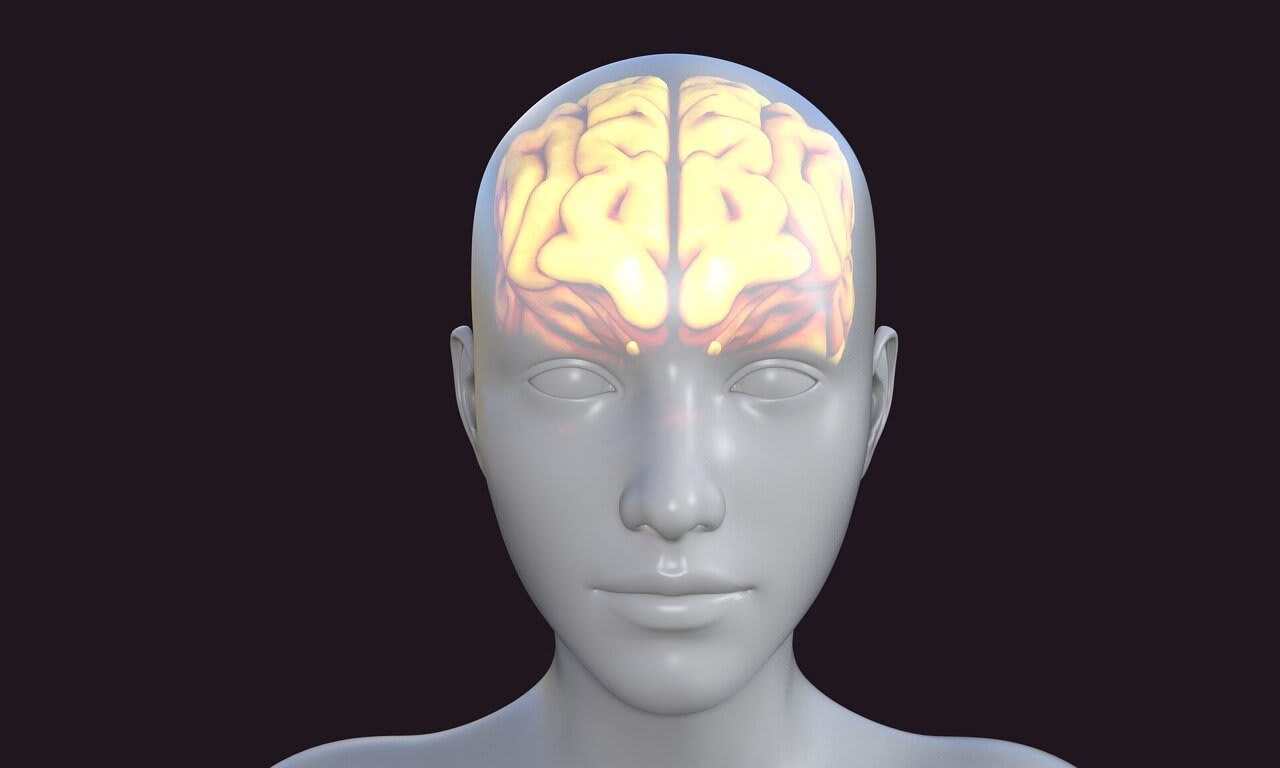
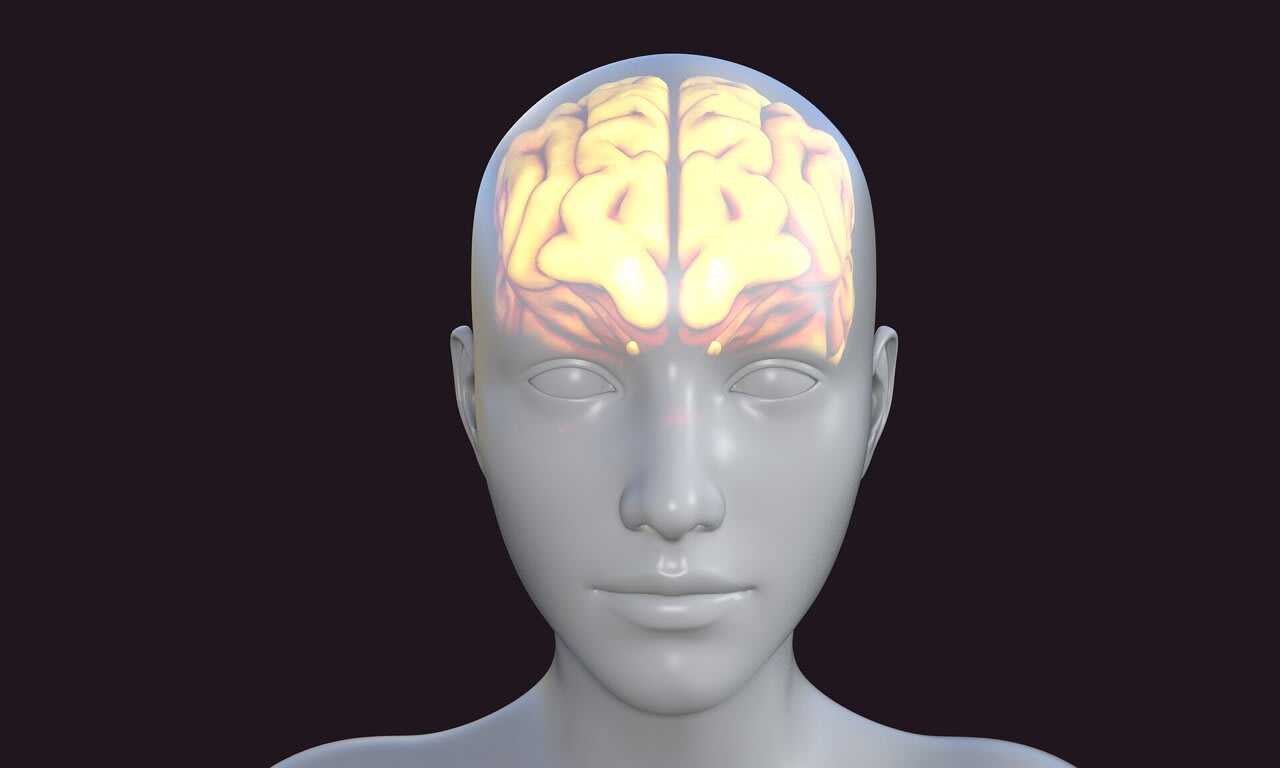
Neuroscientists at Baylor College of Medicine have discovered that the human hippocampus continues to perform complex language processing — including distinguishing parts of speech and predicting upcoming words — even while patients are fully unconscious under general anesthesia. The findings, published in Nature on May 6, challenge fundamental assumptions about the relationship between consciousness and cognition.
Hidden Language in the Unconscious Brain
The study, titled “Plasticity and language in the anaesthetized human hippocampus,” used Neuropixels probes — a technology never before deployed in this brain region — to record neural activity in epilepsy patients undergoing surgery. Researchers first played repetitive tones interrupted by occasional oddball sounds and found that hippocampal neurons could detect the anomalies, with that ability improving over time, suggesting a form of learning during anesthesia.
In a more complex experiment, the team played short stories to unconscious patients. Neural recordings revealed that the hippocampus differentiated nouns, verbs, and adjectives based on patterns of neuron firing. Most striking, the brain appeared to anticipate what came next in a sentence — a form of predictive coding typically associated with conscious attention.
“Even when patients are fully anesthetized, their brains continue to analyze the world around them,” said Dr. Sameer Sheth, professor of neurosurgery at Baylor and the study’s senior author. Dr. Benjamin Hayden, also a professor of neurosurgery at Baylor, noted that “this kind of predictive coding is something we associate with being awake and attentive, yet it’s happening here in an unconscious state.”
Implications for Consciousness and Technology
The researchers suggest that consciousness may depend on coordination across multiple brain regions rather than activity within any single structure like the hippocampus. The brain’s predictive word processing also mirrors how large language models in artificial intelligence generate text, offering a bridge between biological and artificial information processing.
The findings open potential applications for brain-computer interfaces and speech prosthetics that could help patients who have lost the ability to communicate. However, the team cautioned that the results are specific to one type of anesthesia and one brain region, and may not generalize to other unconscious states such as sleep or coma.
“This work pushes us to rethink what it means to be conscious,” Sheth said. “The brain is doing much more behind the scenes than we fully understand.”