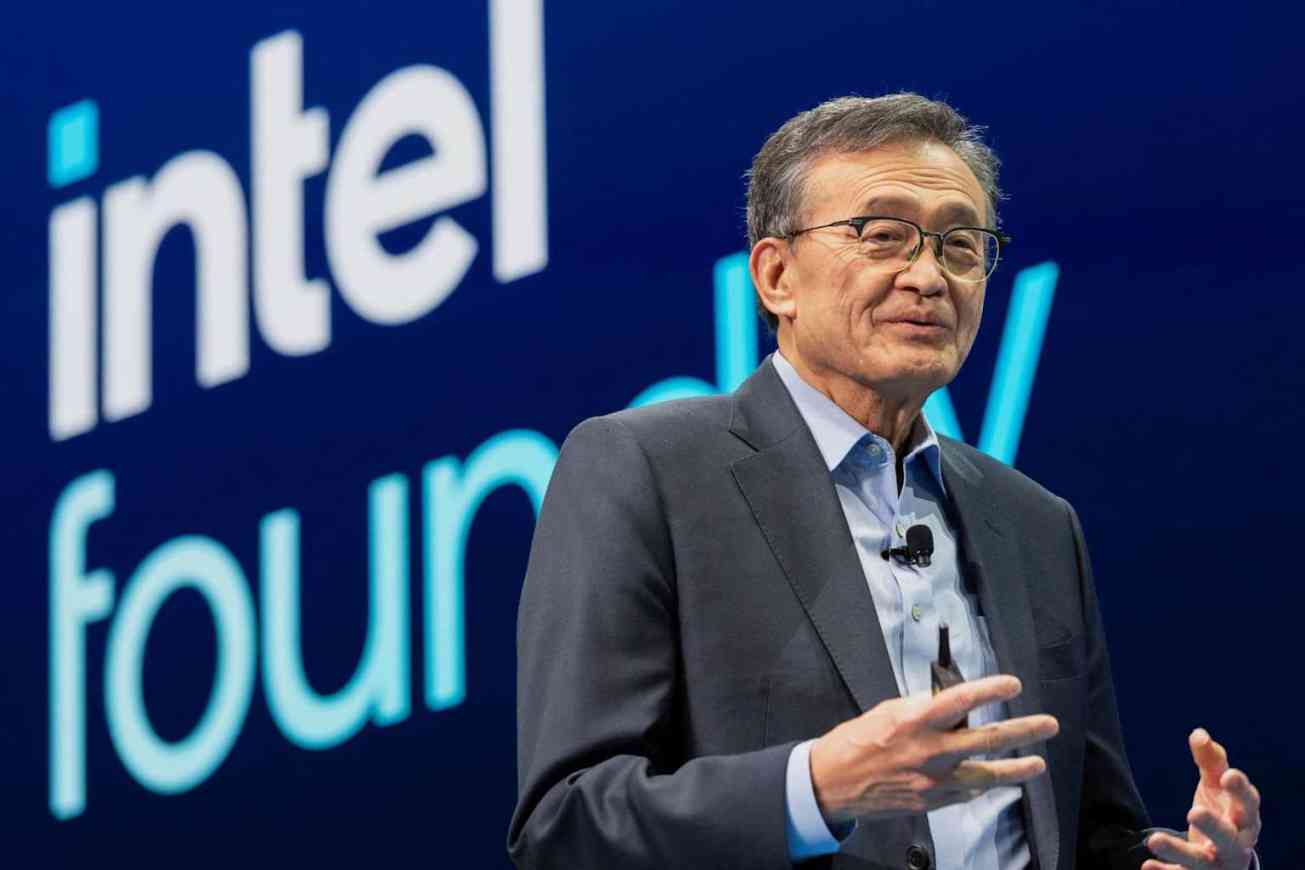
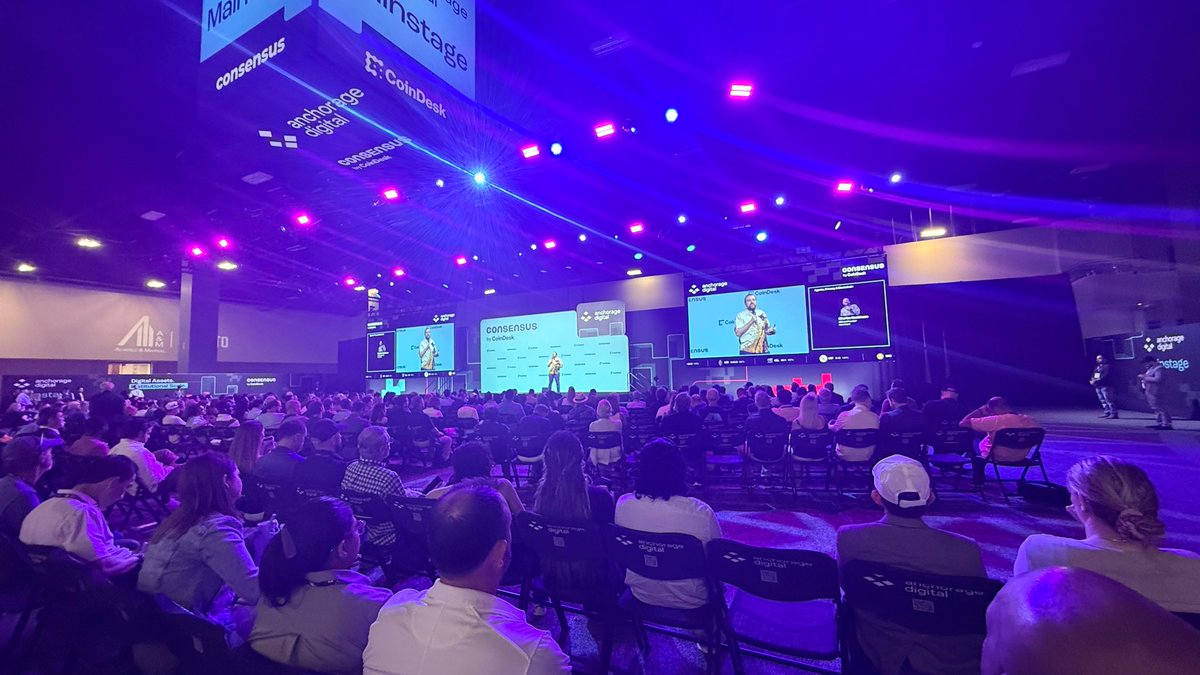
Executives from Google Cloud and PayPal told attendees at the Consensus conference in Miami Beach last week that the autonomous AI agents reshaping online commerce will need cryptocurrency infrastructure to function, arguing that traditional banking systems cannot accommodate software that lacks a legal identity.
A Protocol for Machines
Richard Widmann, Google Cloud’s global head of Web3 strategy, laid out a straightforward problem during the May 5–7 conference: AI agents cannot open bank accounts because banks require identity verification that software cannot provide. Crypto wallets, generated from private keys alone, face no such requirement, making blockchain-based payments a natural fit for machine-to-machine transactions.
Google has been building toward this moment. In late April, the company donated its Agent Payments Protocol (AP2) to the FIDO Alliance, the industry body known for developing open authentication standards. The protocol, now at version 0.2, introduces “Human Not Present” payments that let agents execute purchases autonomously based on pre-authorized user instructions — such as buying limited-run concert tickets the moment they go on sale. Around 60 organizations, including PayPal, Mastercard, American Express, Coinbase, and UnionPay International, have signed on to the effort. Mastercard contributed a companion framework called Verifiable Intent, co-developed with Google, that creates a tamper-proof record of user-approved agent activity.
PayPal Eyes Stablecoins as the Agent Currency
May Zabaneh, PayPal’s senior vice president and general manager of crypto, described AI agents as the company’s next commerce channel. She pointed to PayPal’s stablecoin PYUSD as the vehicle for programmable payments in an agent-driven economy. According to Zabaneh, while 95 percent of merchants already encounter AI agent traffic, only 20 percent have adapted their product catalogs for machine readability — a gap she framed as both a challenge and an opportunity.
A Crowded Standards Race
AP2 is not the only protocol vying for dominance. OpenAI and Stripe have launched the Agentic Commerce Protocol, which already powers purchases inside ChatGPT sessions and is onboarding over one million Shopify merchants. Visa and Mastercard have each introduced their own agent-focused payment frameworks. McKinsey estimates that AI agents could mediate up to $5 trillion in global consumer commerce by 2030, a projection that helps explain why so many players are racing to define the infrastructure.
The stakes extend beyond payments. As Widmann put it before the conference, “The biggest friction points center on the fact that most products are still built for humans, not agents”.