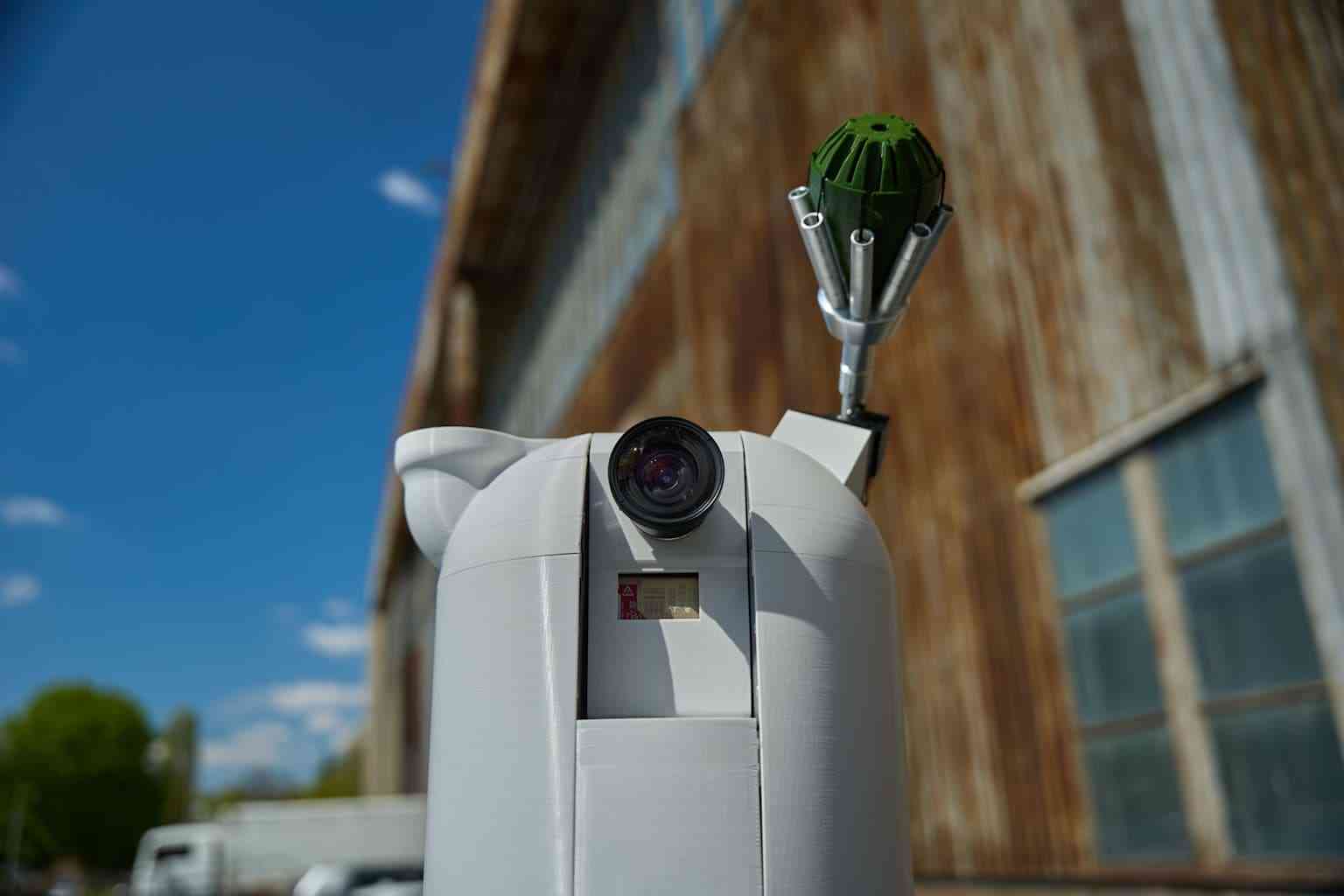
Ukraine’s defense forces have begun using an AI-powered turret on the front lines to intercept Russian fiber-optic drones — a class of weapon immune to the electronic jamming that has been a cornerstone of battlefield drone defense. The deployment, announced on Saturday by First Deputy Prime Minister and Minister of Digital Transformation Mykhailo Fedorov, marks an effort to close a growing vulnerability as both Russia and Hezbollah expand the use of cable-guided drones in active conflicts.
A Turret That Sees What Jammers Cannot Stop
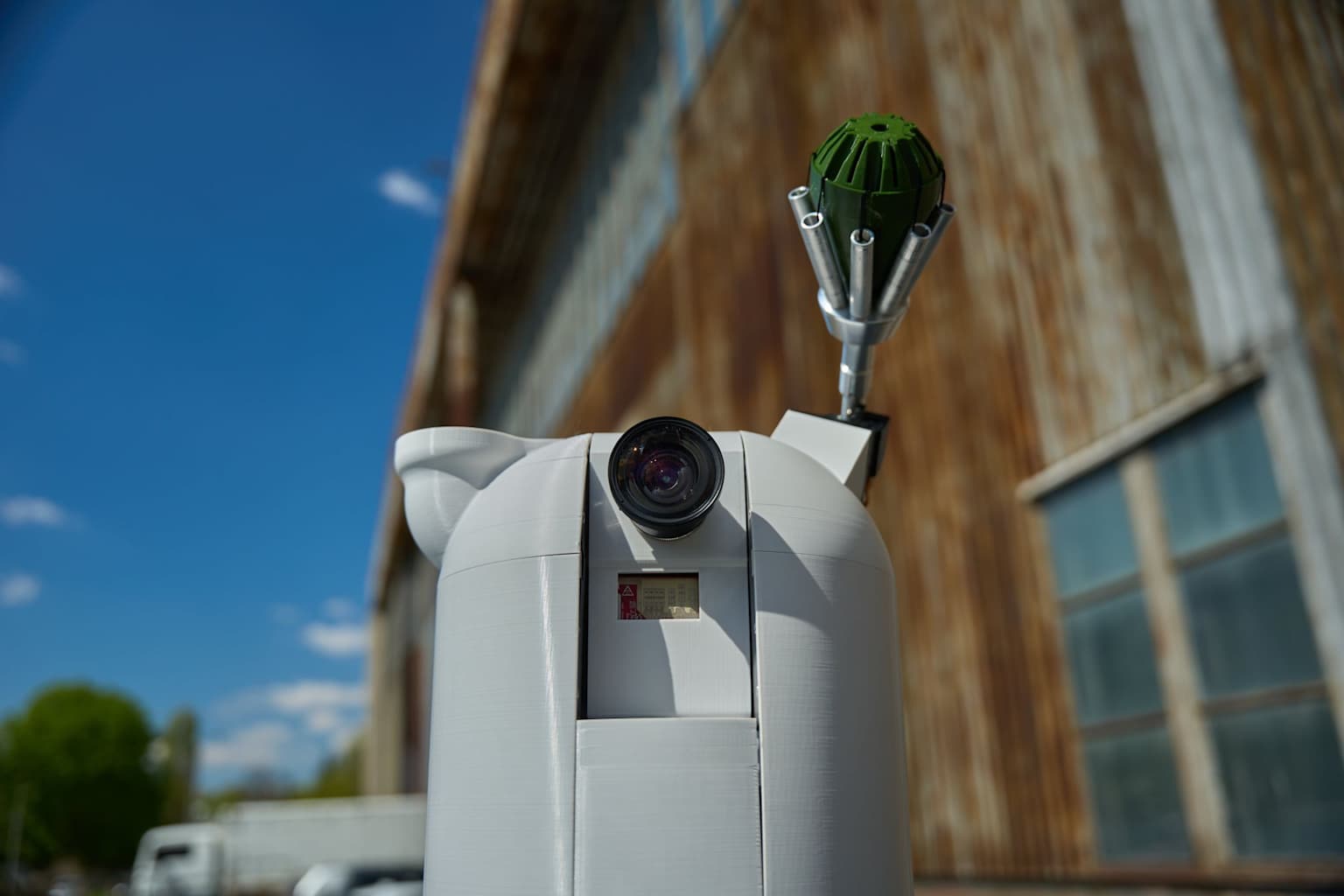
The turret, developed by a company participating in the Brave1 defense innovation platform, autonomously detects, tracks, and calculates the trajectory of incoming drones. The operator’s role is reduced to a single confirmation — pressing a button to authorize the strike. Fedorov said soldiers from the K-2 Brigade were the first to use the system in combat, and that it is now deployed with more than ten units across key sectors of the front.
“Importantly, the technology can even destroy drones using fiber optics, which are not vulnerable to electronic warfare,” Fedorov wrote on Telegram. He described the turret as part of a broader “small air defense” system Ukraine is building, with plans to scale production and expand deployment.
Fiber-optic FPV drones connect to their operators through a thin cable rather than a radio signal, making them invisible to electronic warfare systems that have otherwise proven effective at downing conventional drones. Russia began deploying fiber-optic drones with ranges of up to 50 kilometers in late 2025, according to Fedorov, who said the systems were “really affecting our logistics”.
A Parallel Challenge in Lebanon
The fiber-optic drone threat is not confined to Ukraine. In recent weeks, Hezbollah has deployed similar drones against Israeli troops in southern Lebanon, killing soldiers and wounding more than a dozen others in a series of strikes, according to the Associated Press. Israel has acknowledged the weapons as the most pressing threat to its forces in southern Lebanon.
The IDF has turned to Smart Shooter, an Israeli company whose AI-driven fire-control system uses computer vision to lock onto and track fast-moving aerial targets. The system, called SMASH, has been purchased by the IDF for exactly this purpose, according to Shir Ahuvia, the company’s VP of Product. “Troops can carry out a kinetic interception of the threat,” Ahuvia told The Jerusalem Post. Calcalist reported that the IDF is relying on SMASH alongside protective netting and electro-optical sensors as interim countermeasures while more advanced solutions, including the Iron Beam laser system, remain under development.
The Emerging Arms Race
The parallel deployments in Ukraine and Lebanon underscore how fiber-optic drones are reshaping battlefield calculus. Russia plans to produce over 7.3 million FPV drones in 2026, according to Ukraine’s Commander-in-Chief Oleksandr Syrskyi. Ukraine, for its part, is pursuing multiple counter-drone technologies simultaneously — from interceptor drone swarms under development by Brave1 participants to an autonomous net-launching turret called Scan Horizon that executed its first successful FPV intercept at a recent European defense hackathon.
“The next step is to scale up the solution and strengthen the small air defense system,” Fedorov said. “This is another element of the system we’re building to maximize the detection and interception of enemy air targets”.