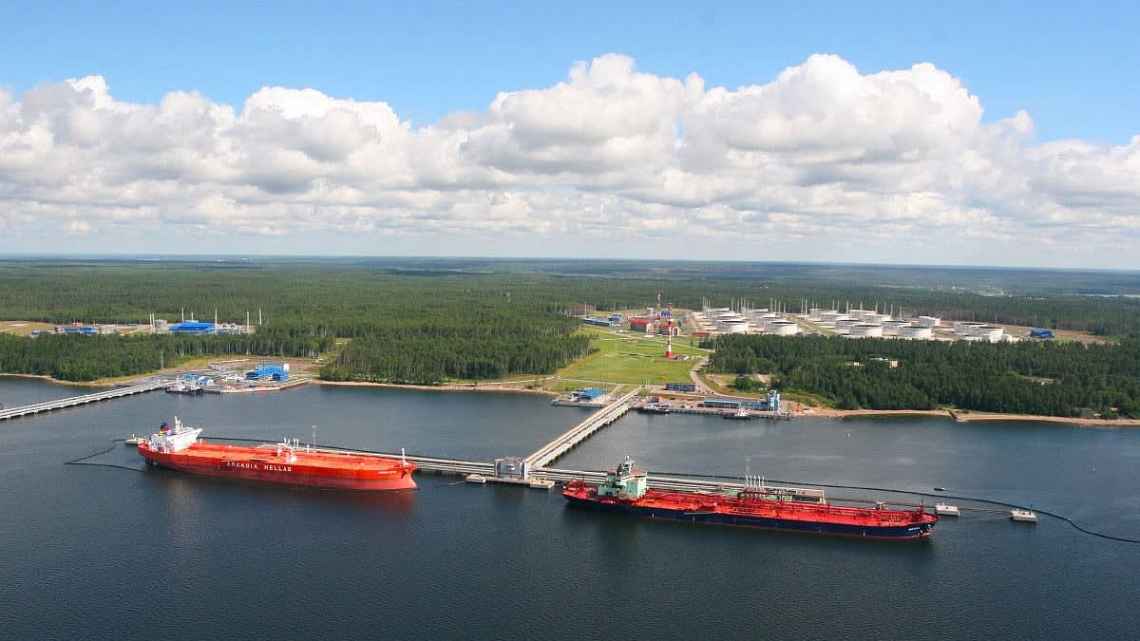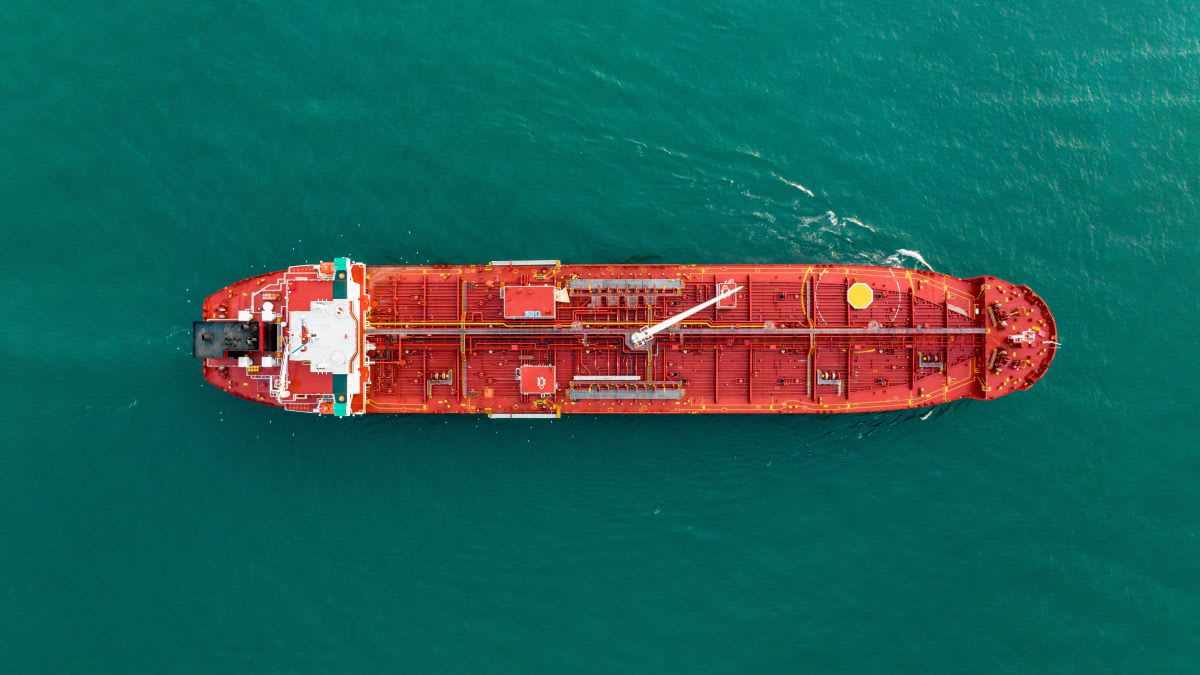
The ongoing closure of the Strait of Hormuz, now stretching beyond two months amid the U.S.-Iran conflict, is sending shockwaves far beyond oil markets — disrupting fertilizer supply chains, crippling mining operations in Central Africa, and pushing consumer goods prices higher across Asia.
Chemical Lifelines Severed for Congo’s Copperbelt
The Democratic Republic of Congo’s copper and cobalt mining sector has emerged as one of the most exposed casualties of the crisis. According to Reuters, Congo’s leading copper and cobalt producers have had orders for key leaching chemicals canceled or withdrawn by suppliers as the conflict disrupts shipments from the Middle East. Southern Africa sources over 90% of its sulphur from the Arabian Gulf region, and the near-total shutdown of Hormuz has cut off this critical supply line.
Large miners in the DRC currently hold two to three months of sulfur inventory and are turning to Russia and Central Asia for alternatives, while smaller producers face steeper risks given thinner stockpiles and weaker margins. Africa-based mining chemicals importer Kemcore has announced plans to build its own processing plants in Botswana and Angola to reduce dependence on imports. The disruption comes at a fraught moment for Congo’s mining sector, which is simultaneously navigating strict new cobalt export quotas of 96,600 tonnes annually for 2026 and 2027.
Sulphur and Methanol Markets Under Strain
The chemical supply crisis extends well beyond mining. The Strait of Hormuz typically handles nearly half of global sulphur exports, and the disruption has removed roughly four million metric tonnes per year of seaborne sulphur trade from the market. Spot sulphur prices have surged from around $155 per metric tonne to approximately $400 per metric tonne on Mediterranean contracts. Wood Mackenzie estimates that a one-month disruption alone stalled exports of about four million tonnes of gas-based products including methanol, ammonia, and urea. Iranian methanol plants have been in a state of complete shutdown since the conflict began.
The fertilizer sector faces cascading consequences. OCP Group in Morocco, the world’s largest phosphate exporter, has been operating at reduced capacity due to sulphur supply constraints, contributing to what analysts describe as the most severe global phosphate-fertilizer disruption since 2008. China’s decision to halt sulfuric acid exports effective May 1 has further tightened the market.
Indian Consumer Goods Face Fresh Price Hikes
In India, which imports nearly 85% of its crude oil, the strain is reaching household budgets. Senior executives at Hindustan Unilever, Dabur, and Britannia have signaled during recent earnings discussions that further price increases are likely unavoidable. Dabur’s global chief executive Mohit Malhotra told Reuters the company had already implemented a 4% price increase and expects a fresh round of hikes in the first quarter of fiscal year 2027 amid persistent inflationary pressures in packaging materials. Hindustan Unilever has reported material cost inflation of 8–10%, while Britannia faces nearly 20% inflation in fuel and packaging-related costs.
A Union Bank of India report warned that with Brent crude trading above $100 per barrel and the Strait “still functionally shut,” the backdrop “does not bode well for global or domestic macros and markets,” calling the elevated oil prices a visible “energy tax” on India’s economy.