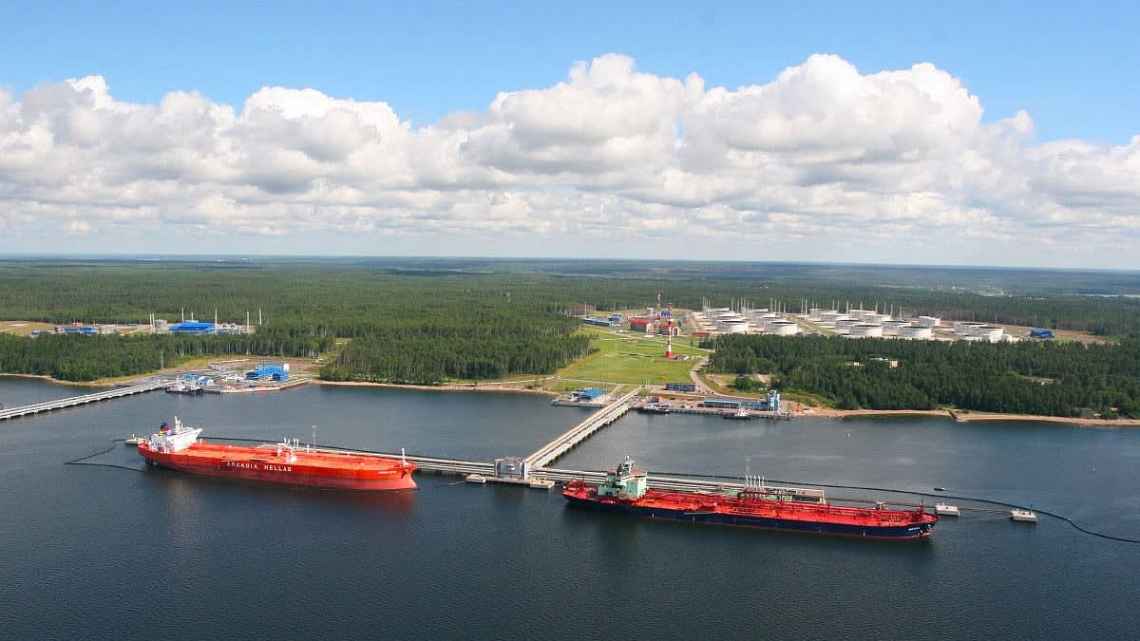
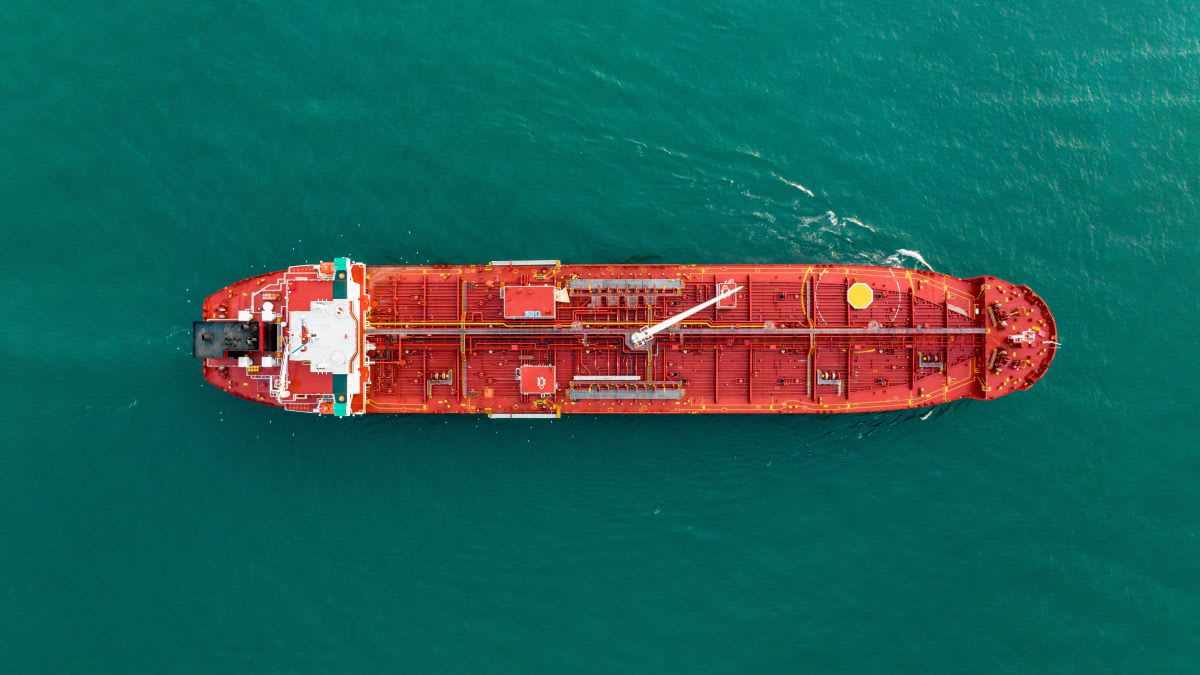
The leaders of two of the world’s largest energy companies issued stark warnings this past week that the disruption to global oil markets from the Iran conflict and the near-closure of the Strait of Hormuz could persist far longer than many had hoped, with consequences rippling from fuel pumps to broader economic growth.
Physical Shortages “Beginning to Appear”
Chevron CEO Mike Wirth told attendees at the Milken Institute’s Global Conference on Tuesday, May 5, that physical oil shortages would soon emerge worldwide as the Strait of Hormuz — through which roughly 20 percent of the world’s crude normally flows — remains largely blocked. “We will start to see physical shortages,” Wirth said, according to Reuters. “Demand needs to move to meet supply. Economies are going to have to slow.”
Wirth warned that Asia, the region most dependent on Gulf oil production and refining, would feel the impact first, with Europe likely to follow. Speaking separately to Bloomberg, he flagged the growing risk of supply outages in Europe and Asia, noting that inventories and system buffers were being drawn down at an alarming rate. He compared the potential fallout from the Hormuz closure to the energy crises of the 1970s.
Aramco: Recovery May Not Come Until 2027
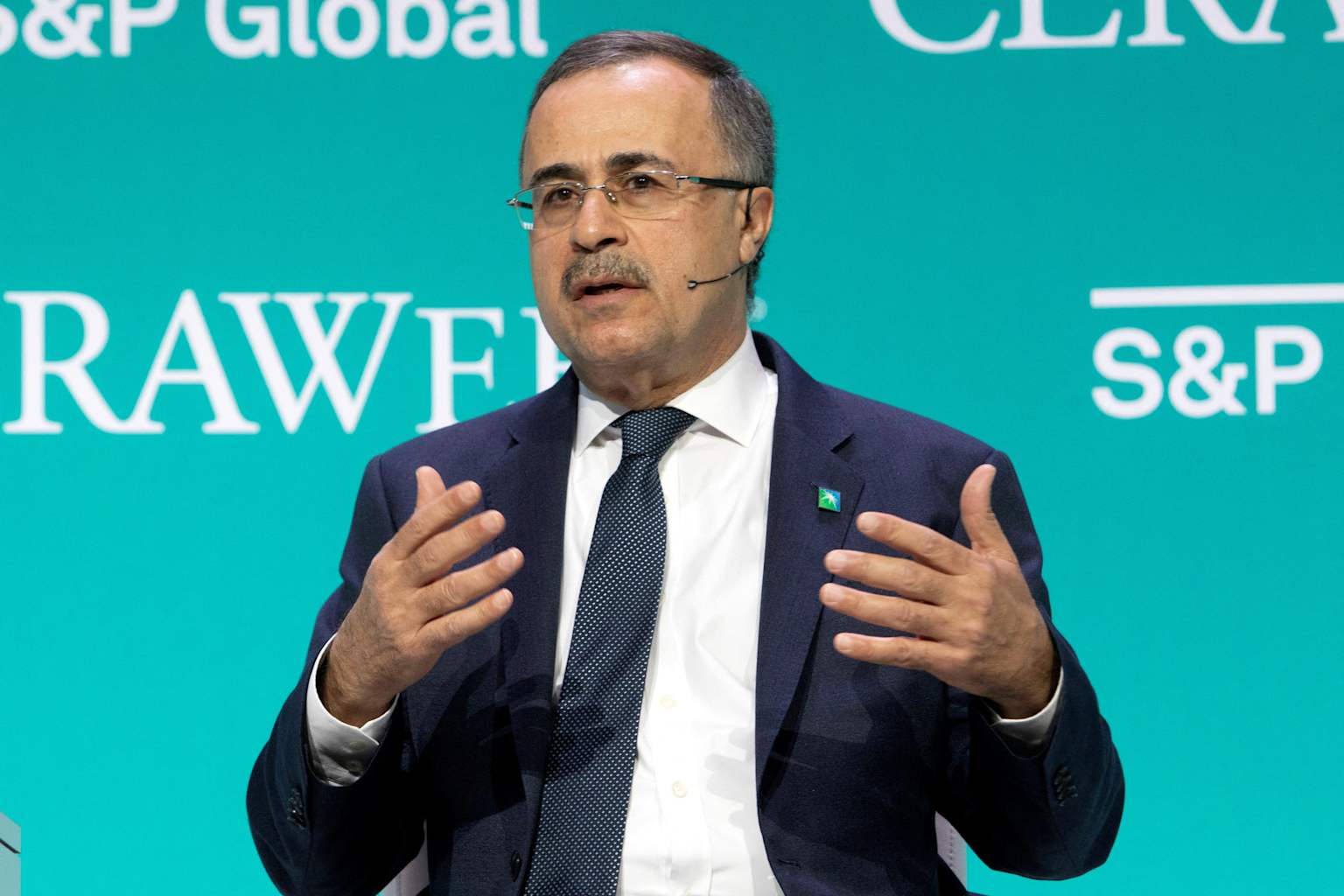
Saudi Aramco CEO Amin Nasser reinforced that warning on Saturday, May 9, cautioning that even an immediate reopening of the strait would take months to restore normal flows. “If trade and shipping remain curtailed by more than a few weeks from today, we anticipate the supply disruption to persist, and the market to normalize only in 2027,” Nasser said in emailed comments reported by Bloomberg. Reuters reported Saturday that an estimated one billion barrels of oil have been lost from global supply since the conflict began, further slowing any recovery.
Aramco reported a 26 percent increase in first-quarter adjusted net income to 126 billion riyals ($33.6 billion), buoyed by higher crude prices and its ability to reroute some exports via the East-West pipeline to the Red Sea port of Yanbu. Still, Nasser stressed that “global energy system supplies remain constrained” and called on the industry to invest more in resilience.
Analysts See Elevated Prices, Consumer Pain
The warnings from Wirth and Nasser align with forecasts from major financial institutions. Bank of America raised its 2026 Brent crude forecast to $77.50 per barrel and warned that in a worst-case scenario, prices could average $130 if disruptions extend through the second half of the year. The Asian Development Bank projected oil prices would average $96 per barrel in 2026, well above the pre-war average of $69. Meanwhile, the national average gasoline price hit $4.55 per gallon on May 7, according to AAA, after climbing 25 cents per gallon for two consecutive weeks — the highest level since 2022.
The strain is already visible to American consumers. Pump prices are now $1.40 higher than a year ago. As Wirth put it: “The overall effect of the Hormuz closure is potentially as big as in the 1970s”.