Global equity markets surged on Thursday as investors bet that the United States and Iran are edging closer to a deal that could reopen the Strait of Hormuz to normal crude shipments, easing one of the most disruptive energy shocks in years. S&P 500 futures ticked up 0.1% in pre-market trading, hovering near record territory, while oil prices retreated further from this week’s highs.
Rally Spans the Globe
The rally was most dramatic in Asia. Japan’s Nikkei 225 soared nearly 6% to 63,086 as Tokyo markets reopened after Golden Week holidays, driven by heavy buying in semiconductor stocks. South Korea’s Kospi gained 1.4% to close at a record high for the second consecutive day, while Hong Kong’s Hang Seng climbed 1.7%. In Europe, Germany’s DAX and France’s CAC 40 posted modest gains.
The momentum followed Wednesday’s broad rally, when the S&P 500 rose 1.5% to a fresh all-time high and the Nasdaq Composite surged 2% after President Donald Trump posted that the Strait of Hormuz could be “OPEN TO ALL” if Iran accepts a proposed agreement. Chipmaker AMD led Wednesday’s session with an 18.6% jump on strong earnings.
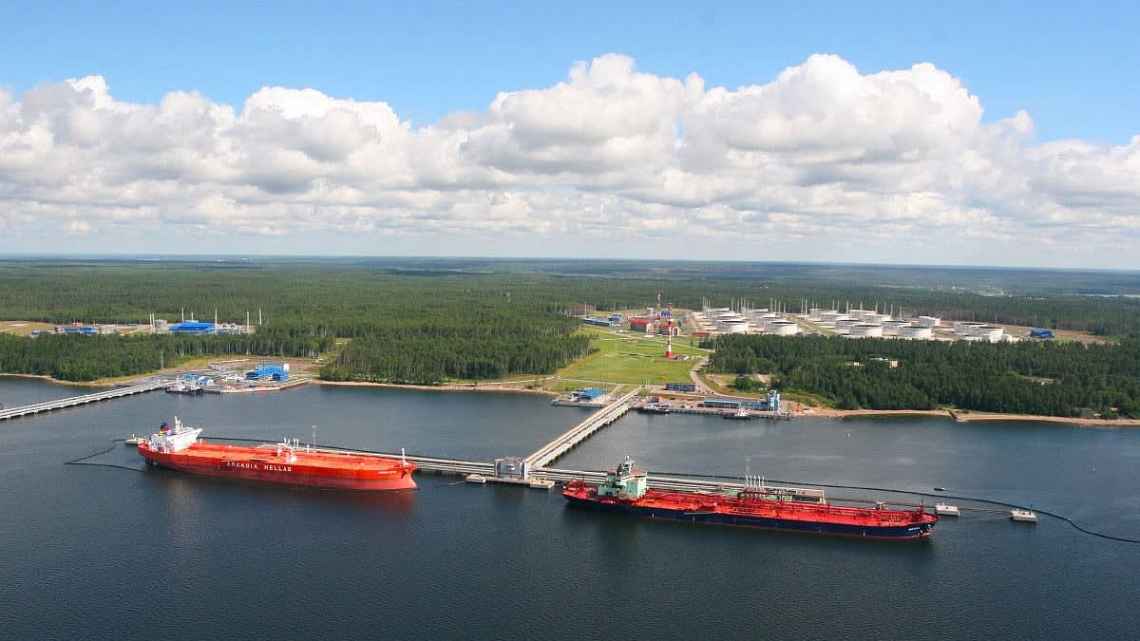
Oil prices, which topped $115 a barrel earlier in the week amid escalating confrontations in the strait, fell sharply. Brent crude dipped to around $101 a barrel on Thursday morning in Asian trading, while U.S. benchmark West Texas Intermediate slid below $95. The declines reflected cautious optimism that a temporary agreement could restore crude flows through the waterway, which handles roughly a fifth of the world’s oil supply.
Deal Prospects and Risks
According to Reuters, Iran is reviewing a U.S. proposal that would end competing blockades on the strait, lift sanctions, and release frozen Iranian funds. However, an Iranian parliamentary official dismissed an earlier version of the proposal as “more a compilation of American desires than a genuine proposal,” according to The New York Times. Trump on Wednesday also threatened to resume bombing “at a much higher level and intensity” if Tehran does not accept the terms.
The market rally was further supported by encouraging labor data. ADP reported Wednesday that U.S. private employers added 109,000 jobs in April, the strongest monthly gain since January 2025, up from a revised 61,000 in March. Health care and trade, transportation, and utilities sectors led hiring, while annual pay for job-stayers rose 4.4%.
Fragile Optimism
Despite the bullish tone, analysts cautioned that the situation remains volatile. The U.S. military fired on an Iranian oil tanker Wednesday as it attempted to breach an American blockade in the Gulf of Oman, underscoring how quickly the conflict can escalate. Brent crude briefly dipped below $97 on Wednesday before snapping back above $100 after Trump’s bombing threat.
“I think it’s a kind of bubble because buying activity concentrated on leading AI, artificial intelligence stock and semiconductor-related stocks,” said Takashi Hiroki, chief strategist at Monex, referring to the tech-driven gains in Tokyo.