Two major retailers issued warnings on Thursday about the economic fallout from the Middle East conflict, underscoring how the war in Iran is casting a shadow over global consumer spending far beyond the region’s borders.
Avolta Sees Revenue Drop From Conflict Disruption
Avolta, the Swiss duty-free and travel retail operator, reported first-quarter core turnover of CHF 2.9 billion, down from CHF 3.05 billion a year earlier. The company said organic growth was 4.7%, but that figure would have been 5.9% excluding what it described as a “Middle East drag”.
The results reflect weeks of disruption to airport retail across the Gulf region, where drone strikes have forced temporary closures at hubs including Dubai International Airport and Kuwait International Airport. Avolta’s Middle East exposure amounts to roughly 3% of turnover, but the conflict’s indirect effects on travel patterns and consumer confidence extend further. In March, CFO Yves Gerster told Reuters it was “too early to take actions” but stressed the company’s geographic diversification as a buffer.
Despite the revenue decline, Avolta posted core EBITDA of CHF 190 million with a margin of 6.6%, up 0.2 percentage points year-on-year, suggesting the company is managing costs even as the top line weakens.
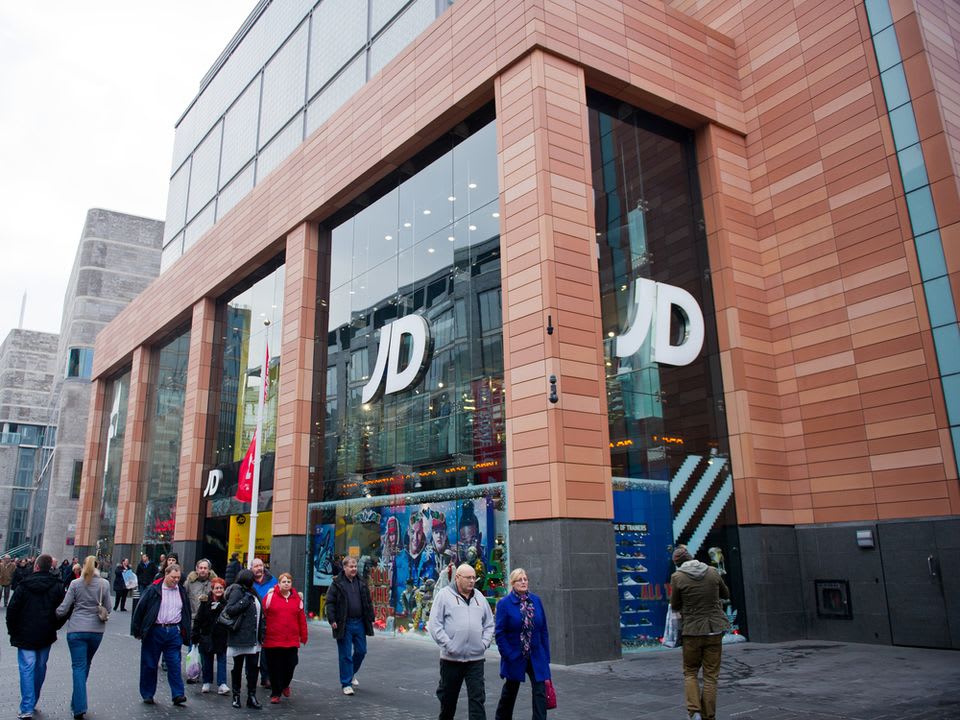
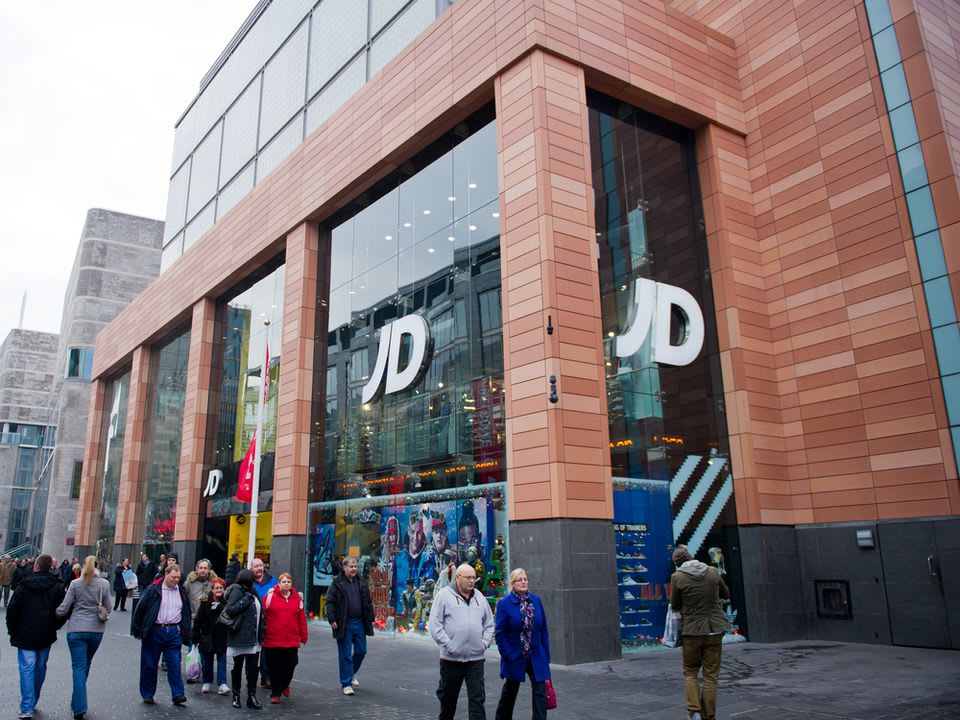
JD Sports Warns of Broader Cost Pressures
JD Sports, the UK-based sportswear chain operating 4,811 stores worldwide, forecast profit before tax and adjusting items of £750 million to £850 million for its 2026/27 financial year, down from £852 million in the year ended January 31, 2026. The company reported full-year sales of £12.66 billion, up 10.5%, but adjusted pre-tax profit fell 7.7% year-on-year.
JD Sports said it has “no direct exposure” to the Middle East, with only a handful of franchised stores in the region. However, it warned that “the potential future impacts of heightened uncertainty may contribute to direct cost pressures, including energy and fuel costs across our store and logistics networks, respectively, as well as potential indirect impacts on pricing and consumer demand should input cost inflation emerge”.
Wider Retail Sector on Alert
The dual warnings illustrate how the conflict’s economic effects are radiating outward through energy prices, shipping costs, and consumer sentiment. Luxury groups including LVMH have already reported that reduced spending in the Gulf shaved at least 1% off group sales in recent quarters. With the war now stretching into its third month, retailers with no physical presence in the conflict zone are finding that global supply chains and consumer psychology offer no insulation from geopolitical risk.