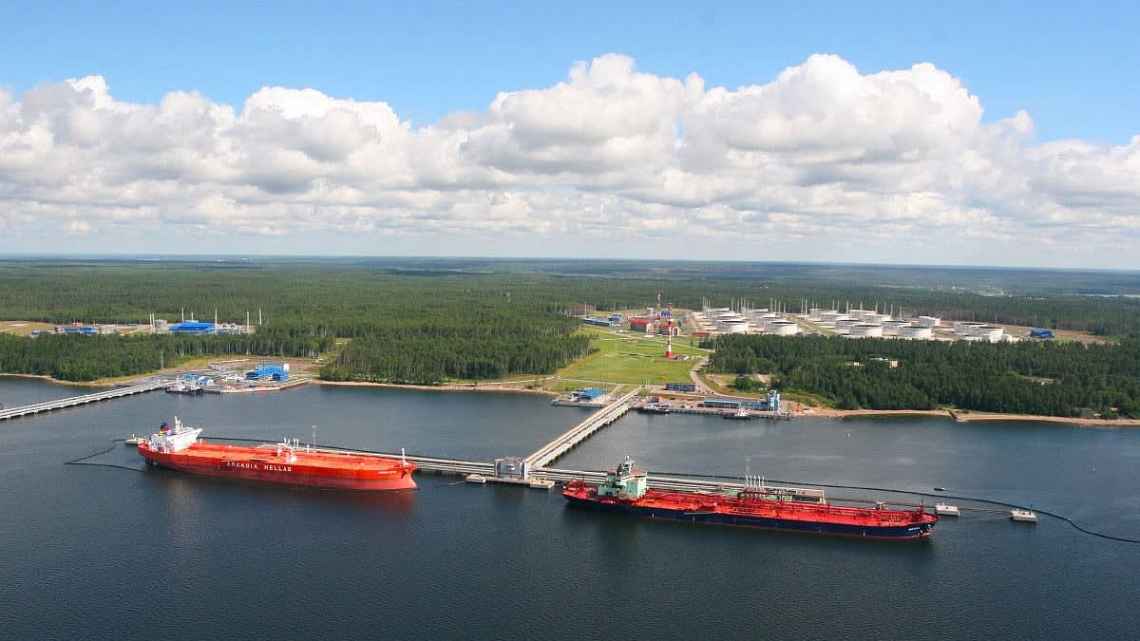
Central banks across the world’s largest economies are shifting toward tighter monetary policy as the energy shock from the Iran war keeps inflation stubbornly above targets, raising the specter of a prolonged period of higher borrowing costs.
The Bank for International Settlements on Monday warned governments that fiscal support must remain “targeted and temporary,” cautioning that broad-based stimulus risks compounding inflation and forcing central banks into further rate increases. The European Central Bank is now expected to raise rates twice this year, according to a Bloomberg survey published Monday. And in Australia, the Reserve Bank delivered its third consecutive rate hike on May 5, lifting the cash rate by 25 basis points to 4.35 percent as headline inflation surged to 4.6 percent in March.

A Warning from the BIS
Pablo Hernandez de Cos, general manager of the BIS, told Japan’s Nikkei newspaper that central banks should be prepared to act if the energy shock persists and begins triggering second-round effects on wages and prices. He cautioned that the memory of post-pandemic inflation may make such effects more likely this time around.
“If it becomes broader and more persistent, inflationary risks increase considerably, possibly compelling central banks to raise interest rates, which would, in turn, dampen economic growth,” de Cos said. He also flagged risks to financial stability from rising public debt increasingly held by highly leveraged nonbank institutions.
UK and Australia Feel the Pressure
Bank of England policymaker Megan Greene said in April that upside risks to inflation were “paramount” to her thinking as Britain contends with the economic fallout from the war. “I think that the upside risks to inflation are paramount,” Greene said at an Atlantic Council event in Washington. UK inflation had already reached 3.5 percent, with forecasts suggesting it could climb toward 4 percent.
In Australia, the RBA’s May hike effectively erased savings from three rate cuts delivered in 2025, adding roughly 91 Australian dollars per month to repayments on a 600,000 Australian dollar mortgage. The RBA warned that inflation risks “remain tilted to the upside,” while Westpac forecast two more hikes by August.
Rate Hikes vs. Recession Risk
Not all observers agree that tightening is the right response. Julian Howard of GAM Investments warned on CNBC that raising rates to combat supply-driven energy costs risks triggering a global recession. “Central banks can’t print molecules of oil,” he said. The conflict in the Strait of Hormuz has produced what the International Energy Agency called the “largest supply disruption in the history of the global oil market”, leaving policymakers caught between fighting inflation and avoiding economic contraction.