The Bloomberg Commodity Index has surged to 141 points, surpassing the 2022 energy crisis peak and reaching its highest level since February 2013, as the war in Iran continues to roil global markets. The index is up 28% year-to-date and on track for its first annual gain in four years, according to data highlighted by The Kobeissi Letter on May 5.

A Historic Supply Shock
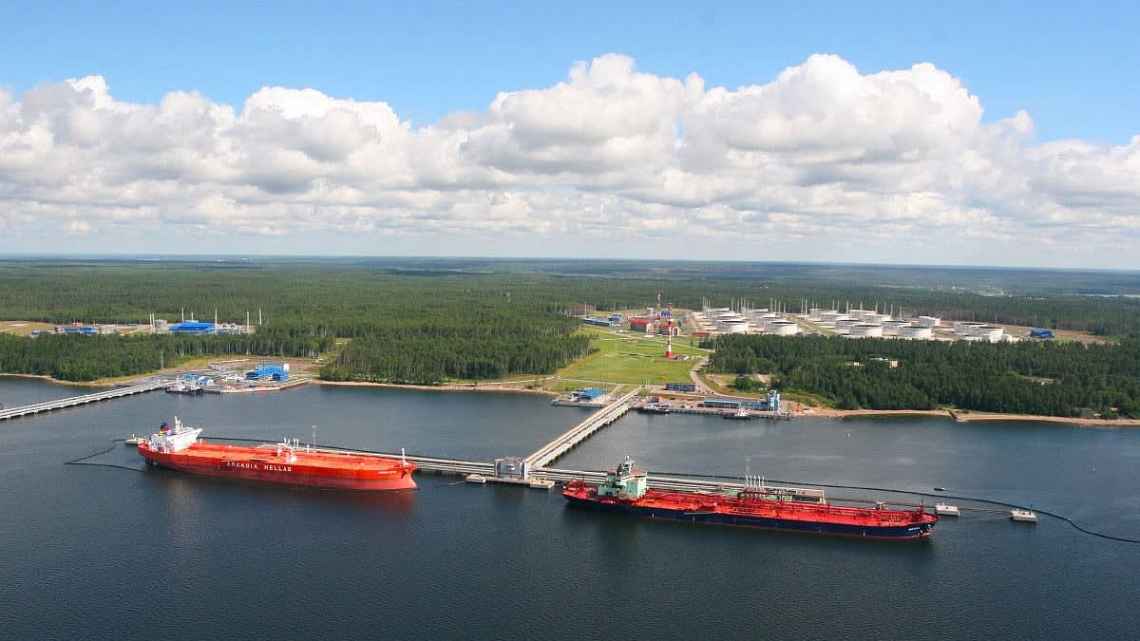
The rally has been driven by the disruption of the Strait of Hormuz, a critical energy corridor carrying roughly one-fifth of global oil and liquefied natural gas trade. Around 10 million barrels per day of oil exports have been stranded since the strait’s effective closure in early March, according to Oxford Economics. Brent crude has risen above $100 per barrel, while natural gas and fertilizer prices have soared due to the loss of Qatari LNG exports and restricted ammonia shipments.
The World Bank, in its April 2026 Commodity Markets Outlook, forecast that overall commodity prices will rise 16% this year, with energy prices surging 24% to their highest since Russia’s 2022 invasion of Ukraine. Fertilizer prices are projected to climb 31%, driven by a 60% jump in urea, while precious metals are forecast to rise 42% as investors seek safe-haven assets. The bank warned the conflict represents “a historic shock to commodity markets, resulting in the largest oil supply loss on record”.
Inflation Fears Resurface
The commodity surge is feeding directly into inflation expectations. The 5-year breakeven inflation rate reached 2.72% on May 4, according to Federal Reserve data, its highest reading since mid-2022. Though it eased slightly to 2.67% on May 5, the measure remains well above its long-term average of 1.96%.
The World Bank projects inflation in developing economies will average 5.1% in 2026, a full percentage point higher than pre-war expectations. In a worst-case scenario where oil and gas facilities suffer further damage, Brent could average $115 per barrel and developing-economy inflation could reach 5.8%.
Uncertain Path Forward
Oil prices fell on May 6 after reports that the U.S. and Iran were nearing a deal to end the war, though previous ceasefire signals have proved fragile. Citadel CEO Ken Griffin warned on CNBC that sustained higher energy prices from the conflict risk driving the global economy into recession. Oxford Economics noted that even as shipping flows begin to recover, normalization will be gradual, with a sustained geopolitical risk premium now embedded in commodity prices.