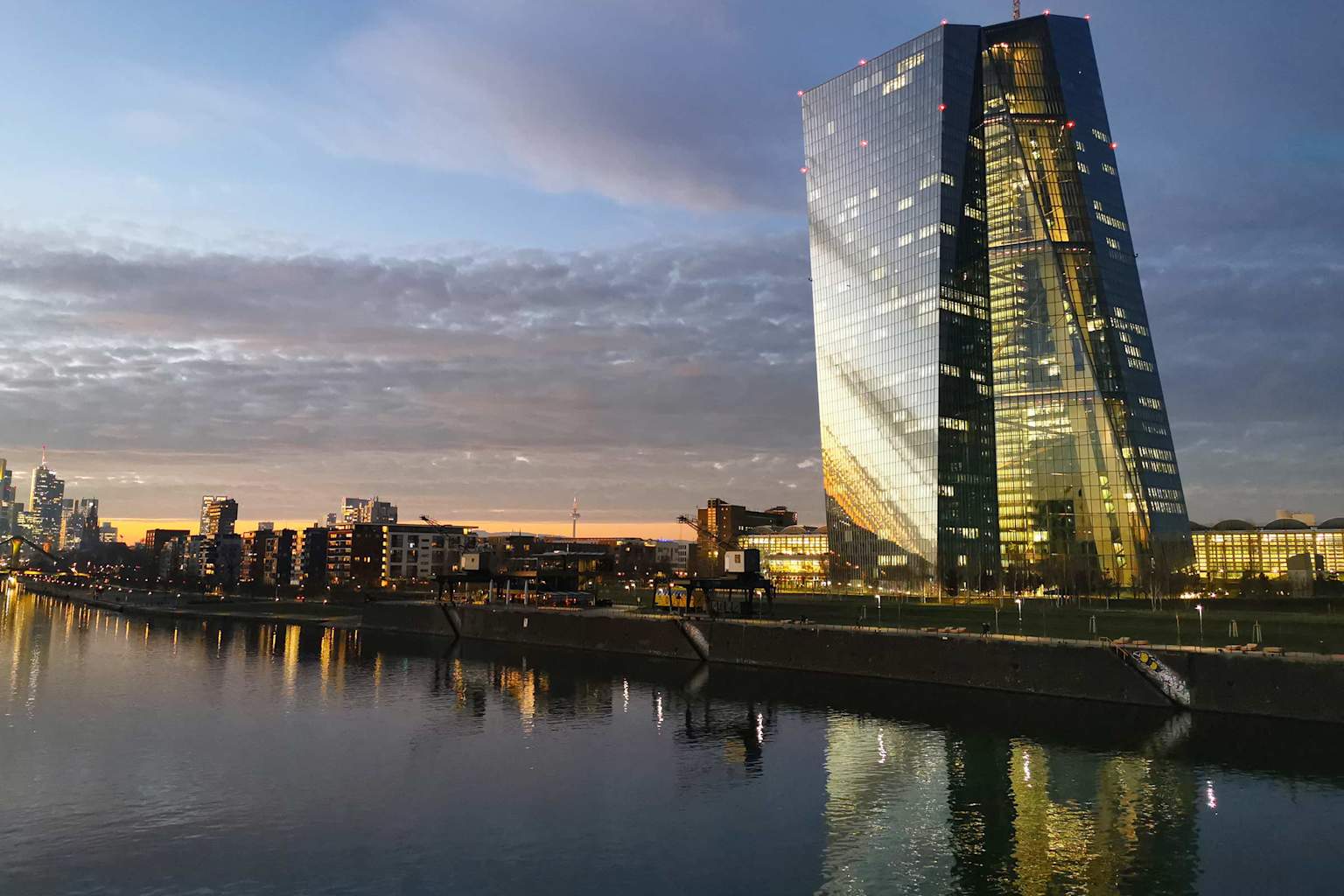
Economists now expect the European Central Bank to raise interest rates twice this year, a sharp shift from prior forecasts that reflects the mounting pressure of an energy-driven inflation surge tied to the war in Iran.
Survey Shows Hawkish Pivot
A Bloomberg survey of economists conducted May 4–7 found that forecasters anticipate quarter-point hikes at both the June and September meetings, which would bring the deposit rate from its current 2.0% to 2.5% by year-end. The previous Bloomberg poll, conducted in late April, had projected only a single increase in June before a reversal in 2027. The updated outlook aligns more closely with market pricing, which has for weeks implied at least two moves this year.
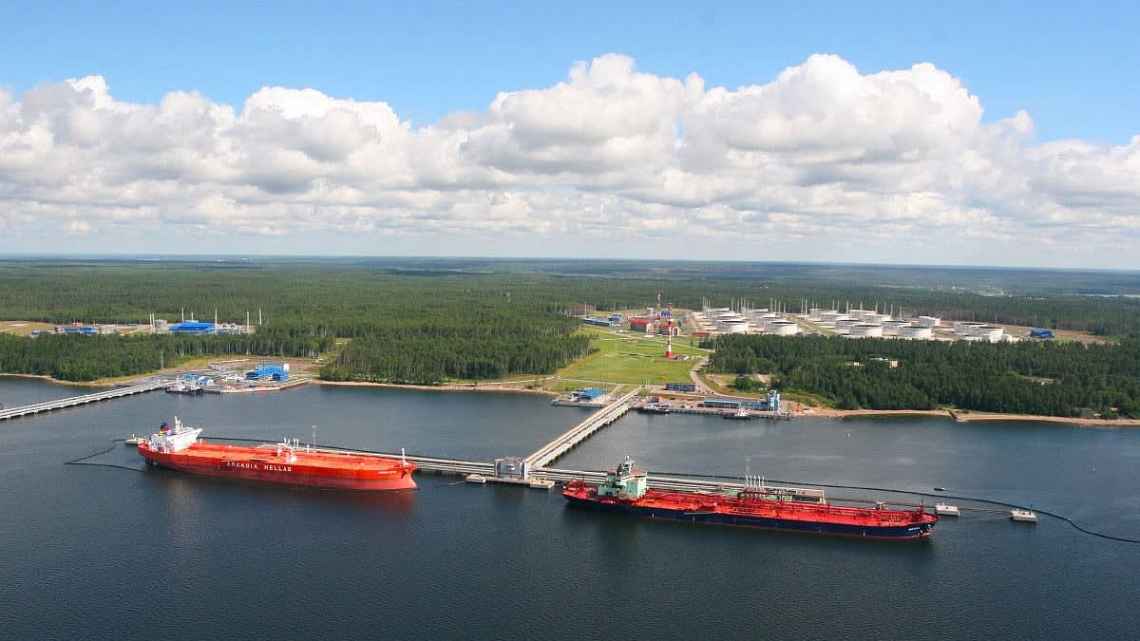
The shift follows eurozone headline inflation hitting 3.0% in April, up from 2.6% in March, driven by a 10.9% annual surge in energy prices. The spike stems from the disruption of traffic through the Strait of Hormuz during the Iran conflict, which the International Energy Agency has called the “largest supply disruption in the history of the global oil market”.
ECB Officials Signal June Move
Multiple members of the ECB’s Governing Council have indicated that a June rate hike is all but certain. Peter Kazimir, the Slovak central bank governor, wrote in a May 4 op-ed that “policy tightening in June is all but inevitable,” adding that policymakers “must prepare for a prolonged period of broad-based price increases coupled with visibly weaker growth across the euro zone”. Bundesbank President Joachim Nagel said the ECB would need to act in June “if the outlook does not improve markedly”.
Outgoing Vice President Luis de Guindos, whose term ends May 31, struck a more cautious tone in a Financial Times interview published Monday. He warned that “the impact on growth is going to become much more visible over the coming weeks” and called for prudence, noting that the reopening of the Strait of Hormuz remains a critical variable.
Growth Risks Cloud the Path Ahead
The ECB held rates steady at its April 30 meeting but signaled that a hike would be considered at the June 10–11 gathering. In a May 5 speech, ECB board member Isabel Schnabel outlined how the energy shock is squeezing real incomes and dampening consumer confidence, while business investment faces particular headwinds as European firms historically cut capital spending after oil shocks.
The ECB’s own survey of professional forecasters, published May 4, revised average 2026 inflation expectations up to 2.7% from 1.8% in the prior round, though respondents still expect a return close to the 2% target by 2027. Whether the September hike materializes will depend heavily on how the conflict and energy markets evolve over the summer — and whether the strait reopens to normal traffic.