Central banks around the world are shifting toward tighter monetary policy as the ongoing conflict in Iran keeps oil prices elevated and drives inflation further from targets, upending expectations at the start of 2026 that borrowing costs would continue to fall.
Australia Reverses Easing Cycle
The Reserve Bank of Australia has emerged as the most aggressive mover, raising interest rates for the third consecutive time this year on May 5, lifting the cash rate by 25 basis points to 4.35%. The decision, supported by eight of the nine board members, effectively reversed all of the RBA’s rate cuts from 2025 and returned borrowing costs to their post-pandemic peak. The hike followed data showing Australian headline inflation surged to 4.6% in March, with automotive fuel prices rising 32.8% due to the Middle East conflict. Westpac is forecasting two additional hikes this year that would bring the rate to 4.85%.
BIS Warns on Fiscal Policy; BOE Watches and Waits
The Bank for International Settlements on Sunday urged governments to keep fiscal spending “targeted and temporary,” warning that broader, more persistent stimulus “could increase inflationary risks considerably, possibly compelling central banks to raise interest rates, which would, in turn, dampen economic growth”.
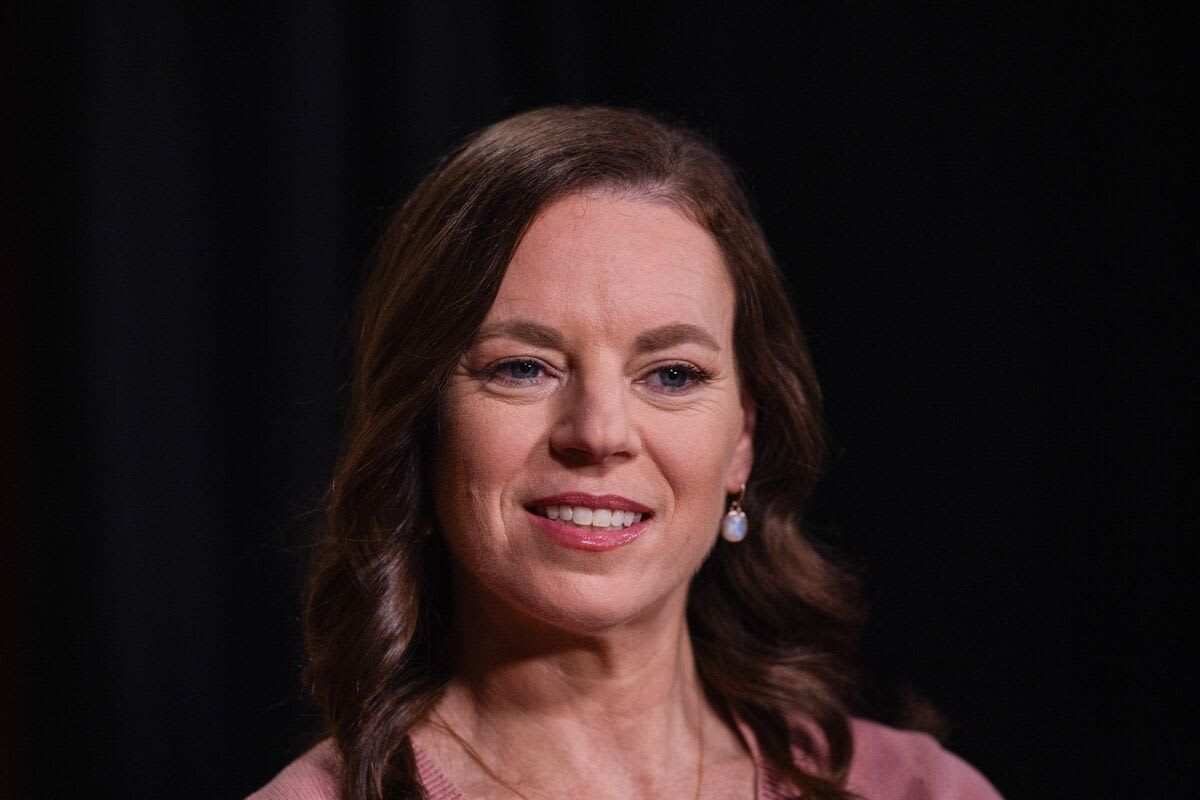
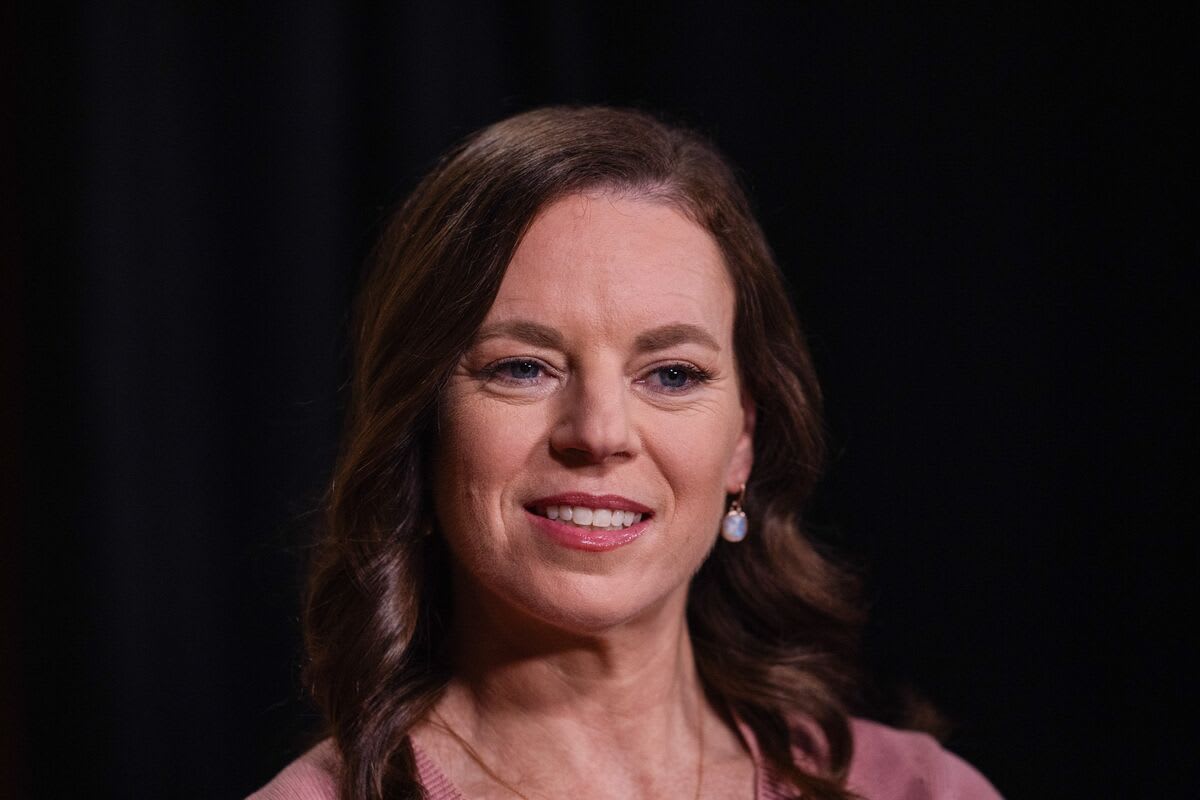
Bank of England policymaker Megan Greene struck a cautious tone in a Bloomberg podcast published Monday, saying it is “worth waiting a little while” to assess how the Iran war propagates through the economy before deciding whether to hike rates. Greene warned that inflation risks are now “entirely on the upside” but noted that Britain’s weak economy and loose labor market should help contain second-round effects. The BOE held rates at 3.75% in April but signaled readiness for “decisive” action if oil prices reached $130 a barrel and stayed there.
Gold Slides as Peace Talks Falter
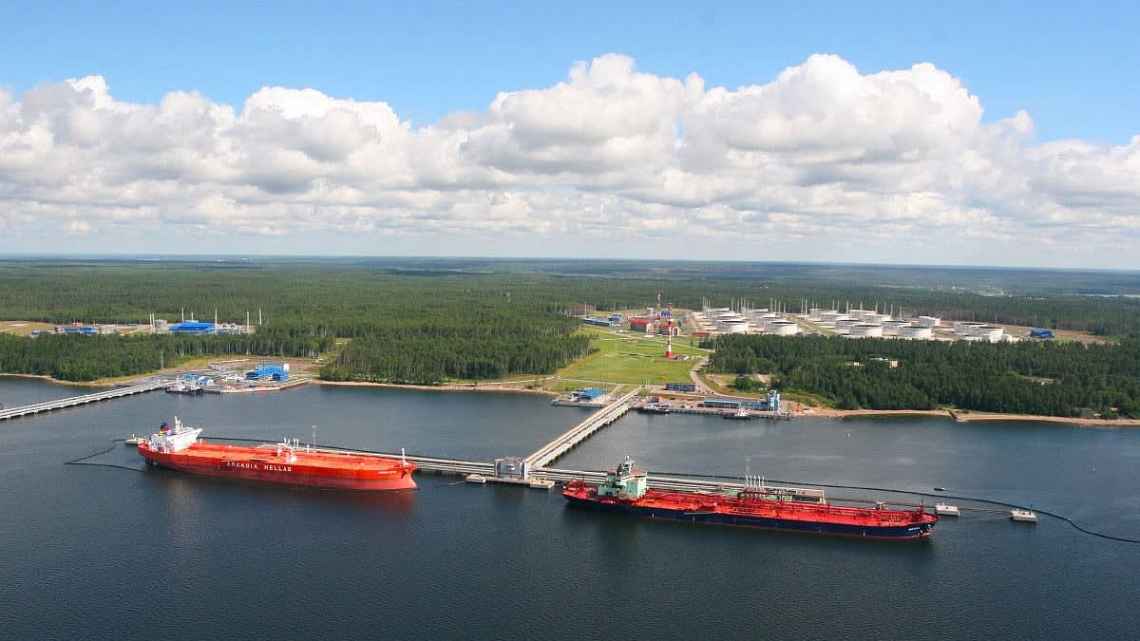
Gold fell on Monday after President Donald Trump dismissed Iran’s response to a U.S. peace proposal on Sunday, dampening hopes for a swift resolution to the ten-week conflict that has disrupted shipping through the Strait of Hormuz and pushed global energy costs higher, according to Reuters. Oil prices rose as the strait remained largely closed. Tim Waterer, chief market analyst at KCM Trade, told Reuters, “We are essentially witnessing a decline in hopes for a prompt deal, and gold is feeling the effects of the renewed surge in crude prices”.
The Federal Reserve, which began 2026 with markets expecting half a percentage point of cuts, now faces calls to hold rates steady at the 3.5%–3.75% range or even consider tightening. J.P. Morgan Private Bank argued that a formal shift to a hiking cycle remains unlikely, but acknowledged the Fed is “more likely to be on hold” as headline inflation runs at 3.3%. Investors are now watching the April Consumer Price Index, due later this week, for clues on the Fed’s next move.