Crude oil markets closed out one of their most turbulent weeks of 2026, with Brent crude on track for a weekly decline of more than 7% as hopes for a U.S.-Iran diplomatic breakthrough competed with fresh military clashes in the Strait of Hormuz.

A Week of Whiplash
The week began with oil surging more than 4% on Monday after Iran launched drones and missiles targeting the United Arab Emirates, and Washington reported sinking Iranian ships in the strait. Prices then reversed sharply mid-week after President Trump announced a temporary halt to Operation Epic Fury, citing “significant progress” toward a peace agreement with Iran. Brent briefly fell below $100 a barrel on Wednesday as reports emerged that the Trump administration had proposed a 14-point memorandum aimed at ending the conflict.
By Thursday, Brent had tumbled further, with the international benchmark shedding 5.1% to reach $96.06 a barrel, according to one measure, as optimism grew over talks. But those gains for peace were short-lived. On Friday, oil rebounded after U.S. Central Command confirmed that Iran had fired on three American destroyers in the Strait of Hormuz, prompting retaliatory U.S. strikes on military targets inside Iran. Despite the escalation, both sides signaled restraint — Trump maintained the ceasefire was still in effect, and U.S. Central Command said it “does not seek escalation”.
The Diplomatic Tightrope
The volatile week highlighted how oil markets remain hostage to every twist in negotiations. Citigroup warned that prices would continue “moving around like crazy” until a concrete deal materializes. Max Layton, the bank’s global head of commodities research, said in a Bloomberg Television interview on May 7 that “it’s very difficult to predict” whether Iran will agree to terms. Citi sees Brent averaging $110–$120 per barrel in the second quarter if the strait begins reopening by late May, but warned prices could spike to $150 if the blockage persists through June.
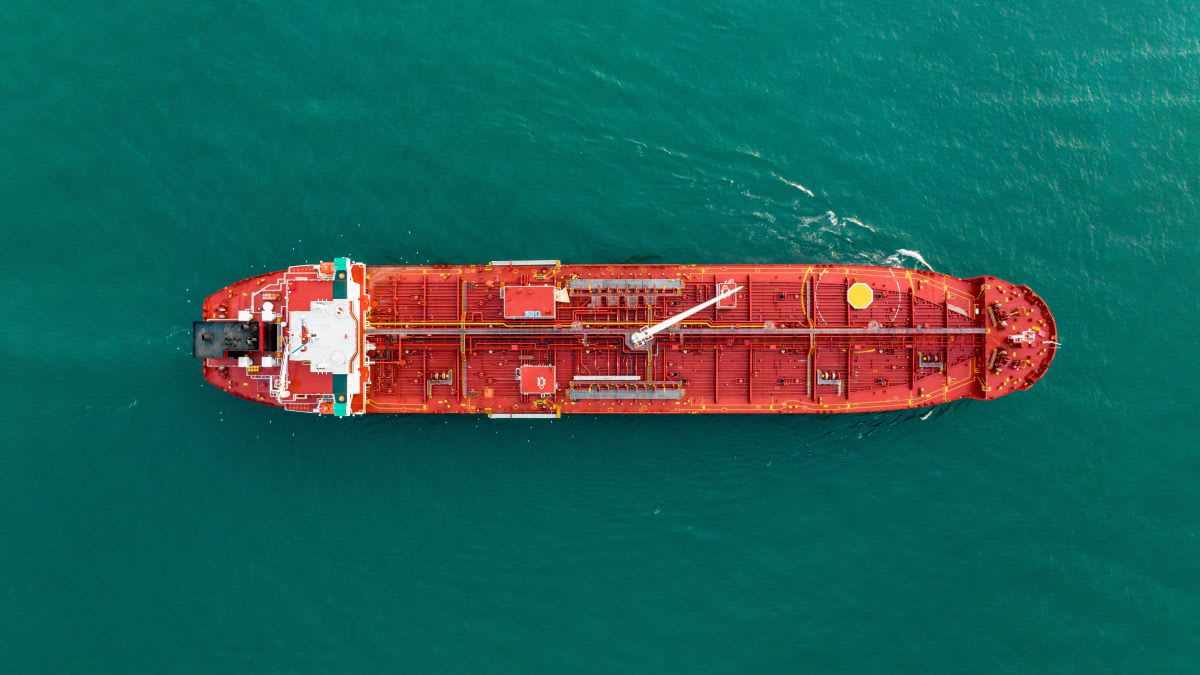
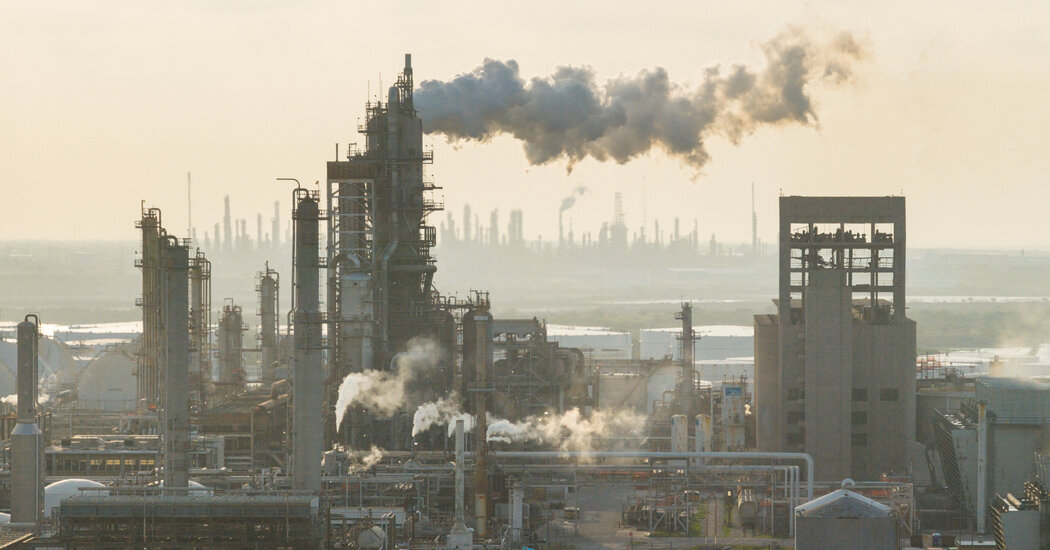
Goldman Sachs has estimated that Persian Gulf crude output is running roughly 14.5 million barrels per day below pre-war levels — a 57% reduction — due to the conflict that began in late February when the U.S. and Israel launched strikes on Iran. The bank said recovery could take months even after a full reopening of the strait, citing logistical bottlenecks including tanker availability, pipeline capacity, and the pace of well restarts.
Supply Crisis Without Precedent
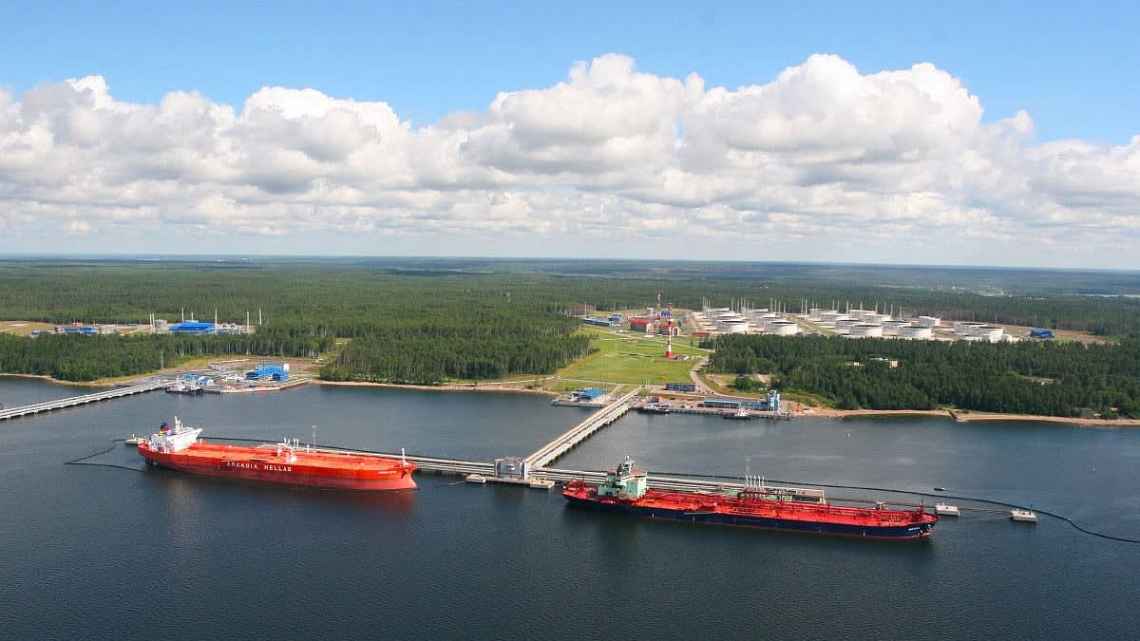
The closure of the Strait of Hormuz, which normally handles about 20% of the world’s seaborne oil trade, represents the largest disruption to global energy supply since the 1970s oil crisis. Iran has largely blocked shipping through the waterway since February 28, when the U.S.-Israeli air campaign began. The U.S. imposed a counter-blockade on Iranian ports starting April 13.
An Iranian official dismissed the latest U.S. proposal as “more a compilation of American desires than a genuine proposal,” casting doubt on near-term resolution. A Wall Street Journal report that Iran had rejected a U.S. proposal to reopen the strait triggered a sharp intraday reversal in prices on one session this week. With Brent settling around $100–$103 on Friday, traders face a market where ceasefire optimism and military reality remain locked in uneasy tension.