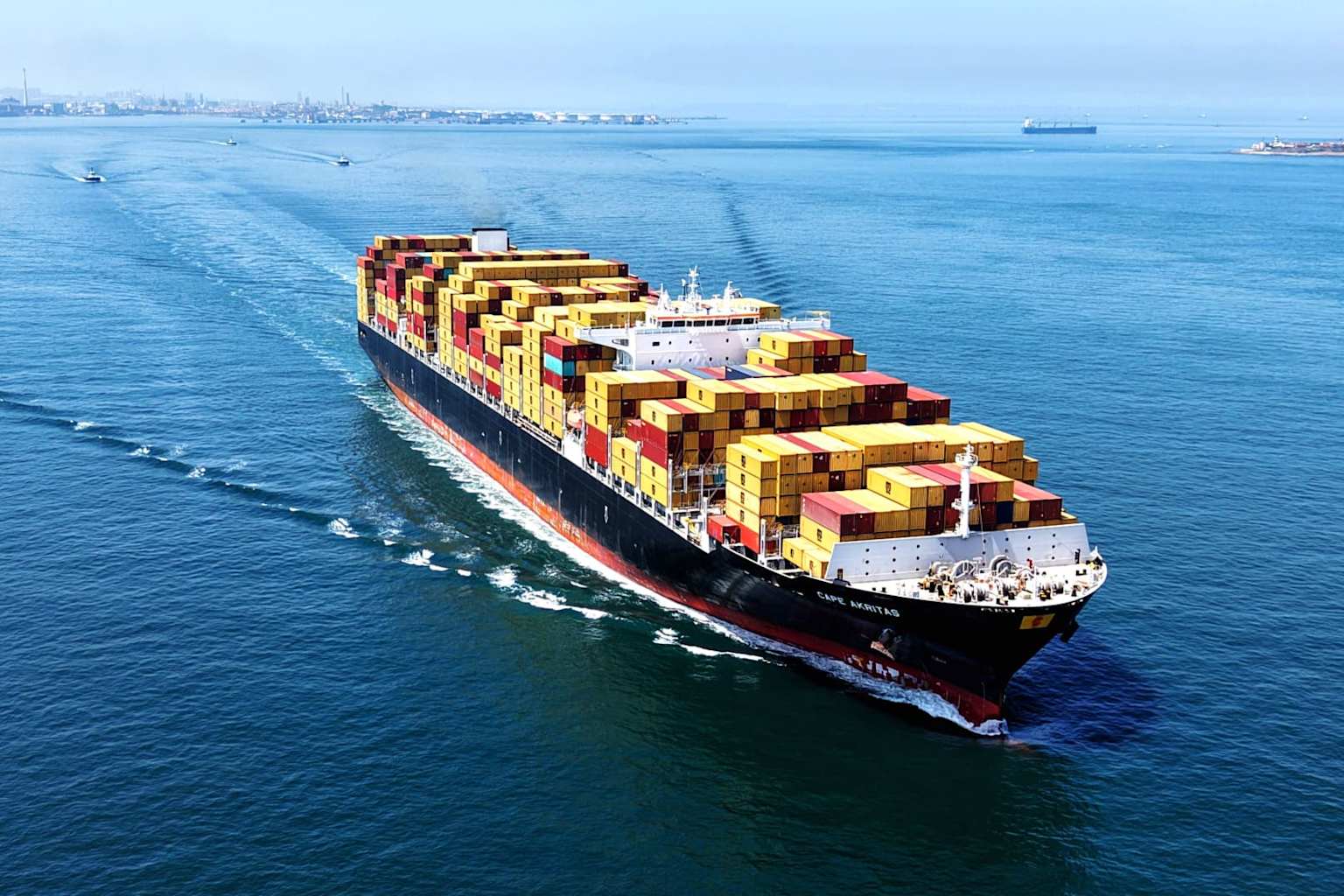
China’s export growth likely rebounded in April as global companies rushed to stockpile components amid ongoing supply chain disruptions from the Iran war and the closure of the Strait of Hormuz, according to a Reuters poll published on Friday. The expected acceleration marks a turnaround from March, when exports grew just 2.5% — far below forecasts — as the conflict’s effects first rippled through global trade.

Stockpiling Drives Rebound
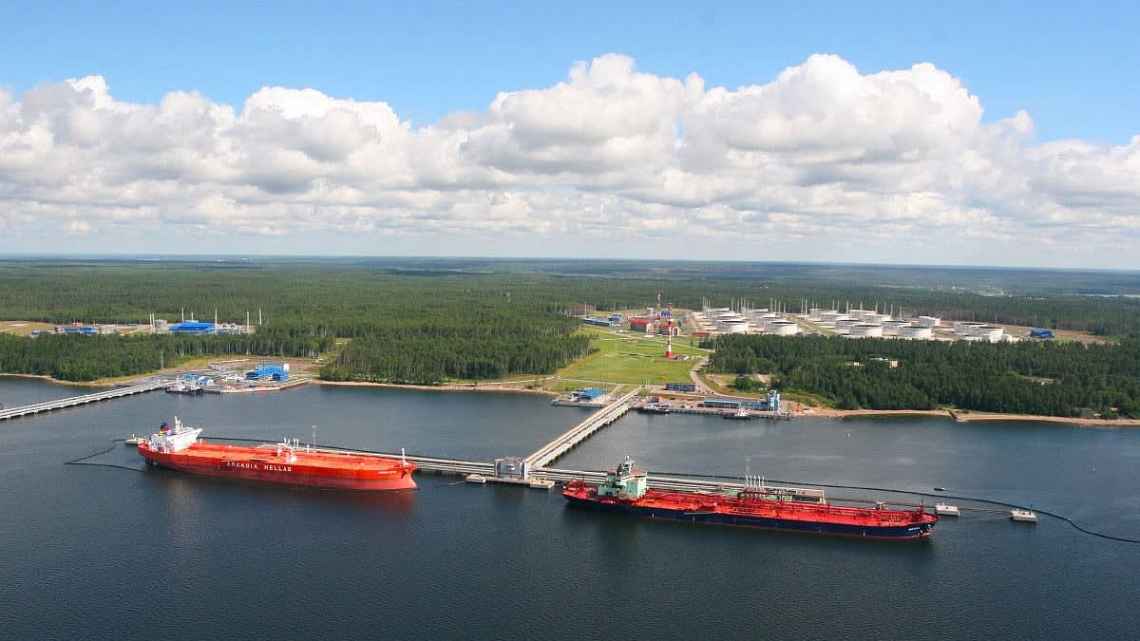
The poll suggests that buyers, facing prolonged uncertainty over shipping routes through the Strait of Hormuz, moved to secure critical parts and materials before disruptions worsened further. The strait, through which roughly 20% of the world’s oil and gas normally flows, has recorded no transits since May 4, according to shipping intelligence firm Lloyd’s List. Iran has established a new “Persian Gulf Strait Authority” to control vessel movements through the waterway, effectively formalizing its blockade.
China’s export sector had a strong start to 2026, with shipments surging 21.8% in the January-February period on the back of booming demand for semiconductors and AI-related technology. But March brought a sharp deceleration to 2.5% growth as rising energy and commodity costs, driven by the Middle East conflict, squeezed manufacturers and dampened global demand.
Domestic Credit Demand Remains Weak
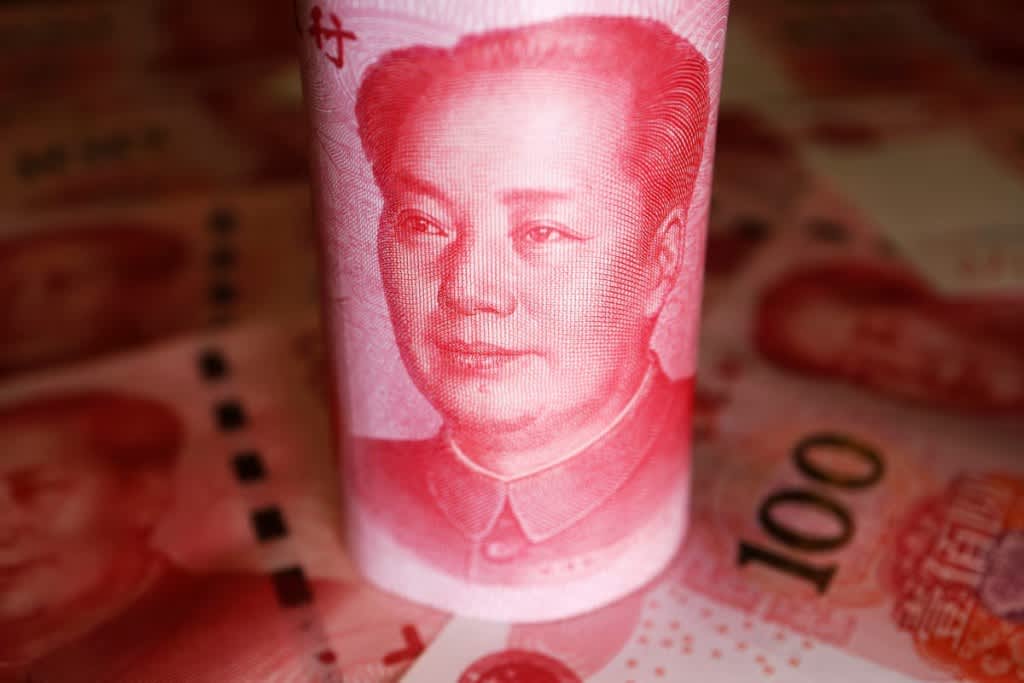
In contrast to the improved export outlook, a separate Reuters survey published Friday showed China’s new bank lending likely plummeted to around 300 billion yuan ($44.09 billion) in April — roughly one-tenth of the 3.4 trillion yuan extended in March. The sharp drop underscores persistently weak domestic credit demand despite government efforts to stimulate borrowing, including guidance from the People’s Bank of China instructing commercial banks to expand lending.
The divergence between export strength and domestic weakness reflects a broader pattern in the Chinese economy. First-quarter GDP grew 5%, beating forecasts, but that growth was driven almost entirely by exports while retail sales rose just 2.4%.
War’s Uncertain Trajectory
The outlook for China’s trade remains hostage to the conflict’s resolution. As of this week, intensive negotiations were underway to reopen the strait, with Saudi Arabia’s Al-Hadath reporting agreements had been reached on easing the blockade. Pakistan’s foreign ministry expressed optimism that a deal could come “sooner rather than later”. But the Trump administration’s shifting messaging — oscillating between threats of resumed bombing and declarations that a peace path remained open — has sowed confusion over the war’s trajectory.