Citigroup maintained its zero-to-three-month Brent crude price target at $120 per barrel on Thursday, warning that markets are underpricing the duration of the Strait of Hormuz disruption even as oil prices have retreated from recent highs amid signs of diplomatic progress between Washington and Tehran.
Cushioning Factors Limit the Spike
In a note published May 8, Citi said oil could rise further if U.S.-Iran negotiations remain “thorny,” but acknowledged that several forces have prevented an even sharper price surge. Inventory drawdowns, releases from the U.S. Strategic Petroleum Reserve, reduced Chinese imports, weaker demand, and periodic de-escalation signals have all helped cushion the blow, the bank said.
Citi noted that China appears to have cut roughly 2.4 million barrels per day in oil imports during April and May, dropping to around 9.2 million bpd from a 2025 average of about 11.6 million bpd, further easing pressure on the global market. Still, the bank cautioned that “oil markets are under-pricing duration and tail risks”.
The bank’s base case projects Brent averaging $110 a barrel in the second quarter before easing to $95 in the third quarter and $80 in the fourth quarter, with a 50% probability assigned to this scenario. Citi’s baseline still assumes the Hormuz disruption will ease by the end of May, but the difficulty in reaching a U.S.-Iran agreement has increased near-term upside risks.
Risk Premium Here to Stay, Commerzbank Says
Analysts at Commerzbank added a note of caution, arguing that even a peace deal would provide only limited price relief. The German bank said shipping and production would normalize only gradually, inventories are being drawn down, and energy agencies are likely to cut supply and demand forecasts.
“Even in the event of an agreement, oil prices are likely to fall only limitedly at first, as a return to the old normal is not to be expected for now,” Commerzbank wrote. “In any case, the strait is likely to remain a critical choke point for the time being, which justifies a risk premium”.
A Disruption Without Precedent
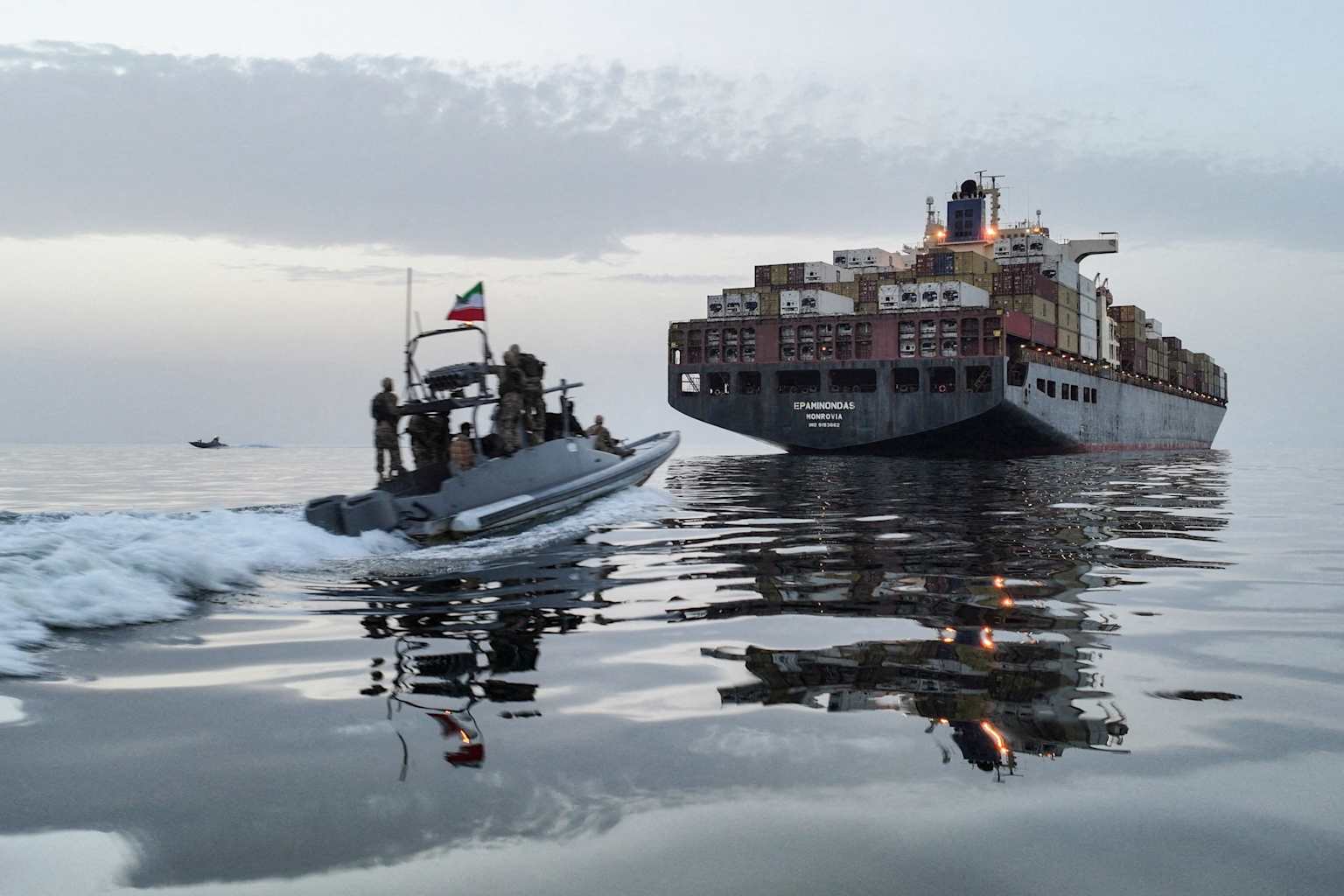
The backdrop to these forecasts is what the International Energy Agency has called the “largest supply disruption in the history of the global oil market”. The Strait of Hormuz — through which roughly 20% of the world’s oil trade passes — has been effectively blocked to normal commercial traffic since the U.S.-Iran conflict erupted in early March. A ceasefire announced April 8 failed to restore shipping flows, and the U.S. military has said mine-clearing operations could take up to six months.
Brent crude has traded in a volatile range, surging nearly 50% from pre-conflict levels and hovering above $100 for most of May. The price had recently pulled back below $100 as of May 8, trading near $98.57 after White House signals of a possible memorandum of understanding with Iran.