Copper and industrial metals surged on Wednesday as reports of an imminent US-Iran deal to end the two-month war sent a wave of optimism through global markets, weakening the dollar and driving investors into risk assets.

Deal Reports Ignite Rally
The metals rally was triggered by an Axios report early Wednesday citing two US officials who said Washington and Tehran were working on a “multi-page memorandum of understanding to end the war and establish a framework for more comprehensive nuclear discussions.” Iran’s navy posted on X that “safe and stable passage through the Strait of Hormuz will be guaranteed,” while President Trump posted that the conflict would cease “assuming Iran agrees to what has been negotiated.”
Copper rose over 3% on the day, according to Trading Economics data showing the metal climbing to $6.14 per pound, its strongest session in weeks. The move brought copper back toward the all-time highs above $13,400 per tonne on the London Metal Exchange set in late April. The US Dollar Index weakened to around 98.27, making dollar-priced commodities cheaper for foreign buyers.
Broad Risk-On Shift
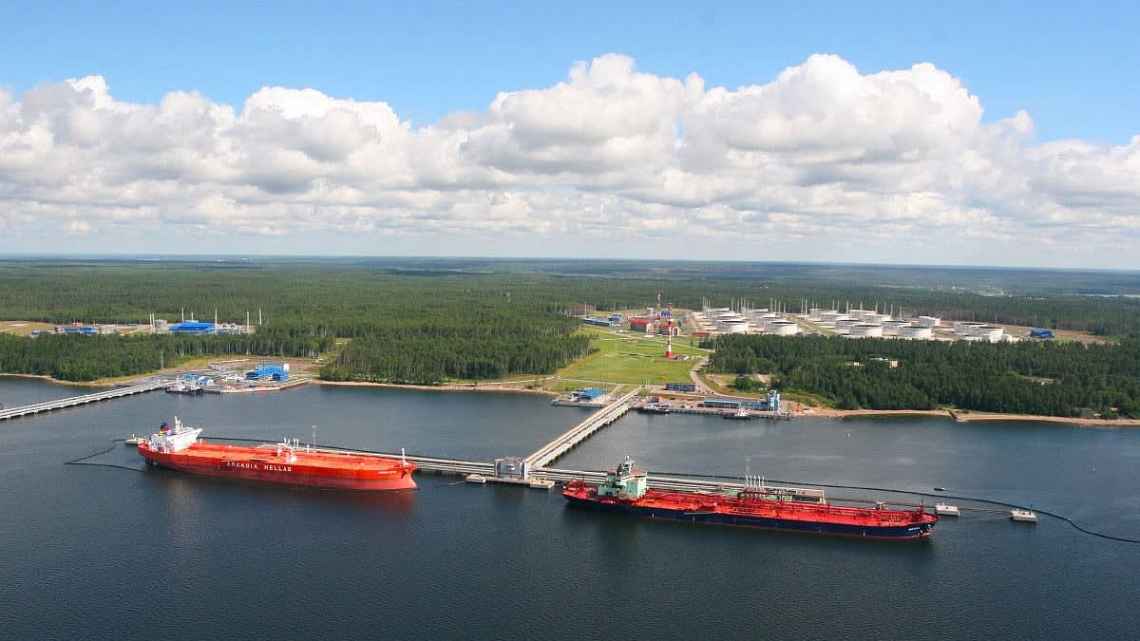
The metals move was part of a sweeping reallocation across asset classes. US crude oil prices plunged 12%, falling below $90 per barrel, while Brent crude dropped 11% below $100 as traders priced in the potential reopening of the Strait of Hormuz, through which roughly 20% of global oil supply flows. S&P 500 futures rose 1% in pre-market trading, Nasdaq 100 futures climbed further, and European markets surged over 2%.
The S&P 500 had already reached record highs on Tuesday, closing at 7,259 after gaining 0.8%. Bond yields fell sharply on the news, with 10-year and 30-year Treasury yields dropping to their lowest levels in about a week.
Copper’s Technical Setup
Analysts heading into the week had identified the $13,400 per tonne level as copper’s key resistance — the all-time high set during the April 21 ceasefire extension rally. Goldman Sachs maintained its forecast for copper to average $12,650 per tonne in 2026 but flagged supply risks from prolonged Strait of Hormuz disruptions affecting sulphuric acid shipments critical to copper refining.
The metal has been whipsawed since the Iran war erupted on February 28, with the conflict introducing energy-driven inflation that initially pushed copper lower before geopolitical resolution hopes drove periodic rallies. A confirmed deal reopening the Strait could remove the energy cost overhang and accelerate demand expectations tied to electrification and AI infrastructure buildouts.
Whether the rally holds depends on Tehran’s response. Trump warned that if Iran does not accept terms, “the bombing will commence, and it will be, unfortunately, at a much higher level and intensity than previously experienced.”