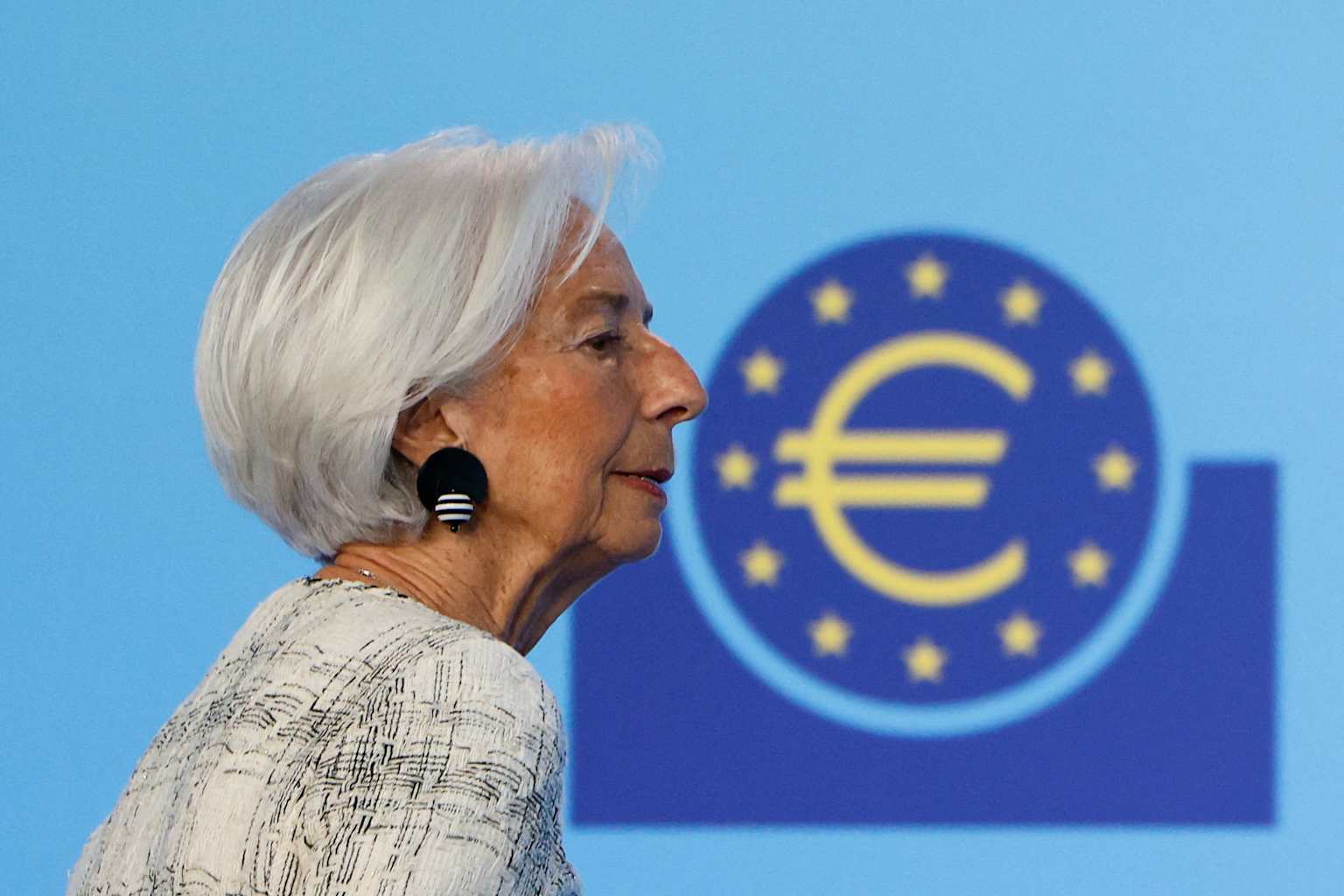
Europe’s two most powerful central bankers on Friday issued pointed warnings about the United States’ embrace of stablecoins, exposing a deepening transatlantic rift over how to regulate the fast-growing sector. ECB President Christine Lagarde argued that euro-denominated stablecoins are “not an efficient way” to bolster the common currency, while Bank of England Governor Andrew Bailey said he expects a “wrestle” with Washington over stablecoin oversight.
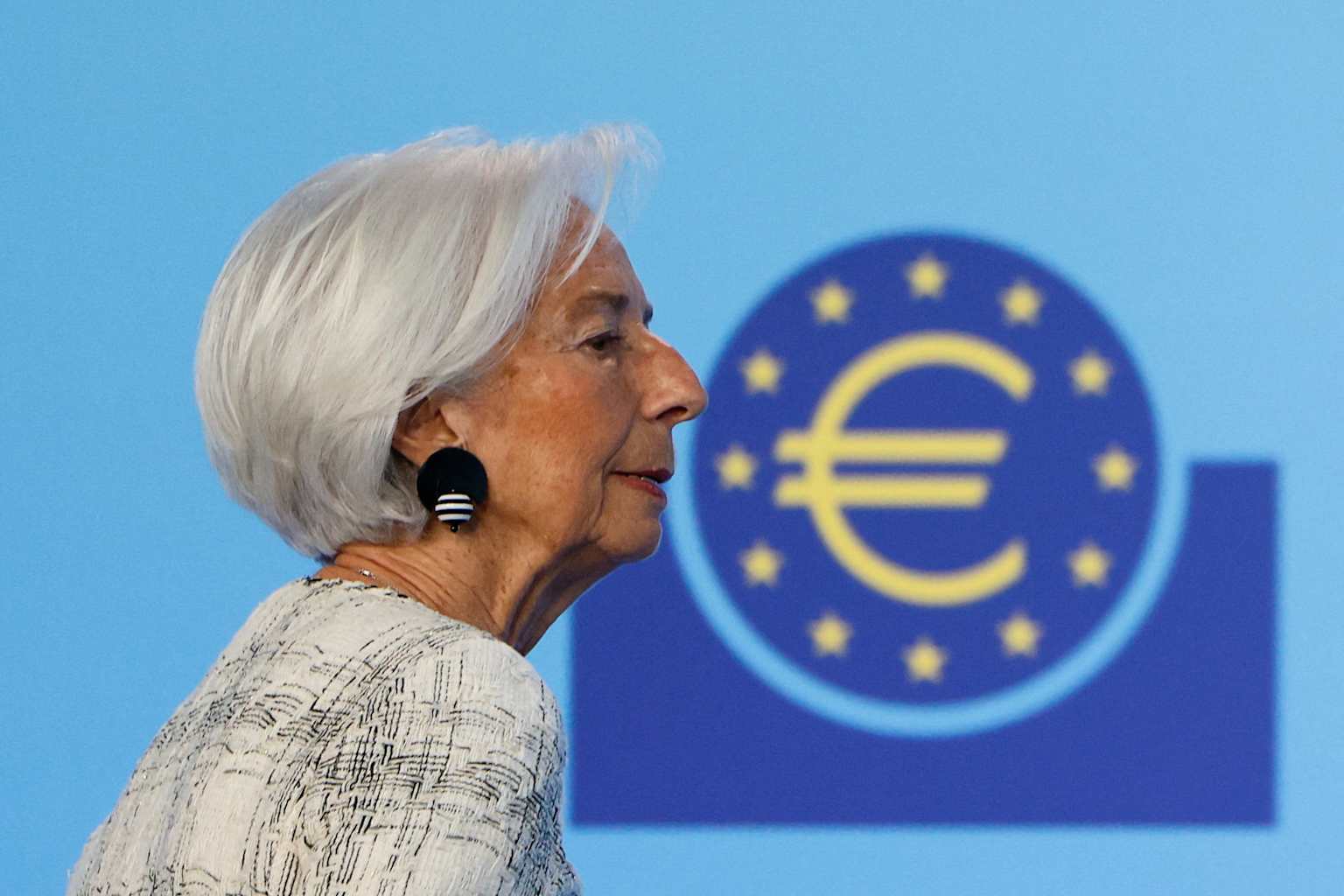
Lagarde Rejects the US Playbook
Speaking at the Banco de España Latin Economic Forum in Roda de Bará, Spain, Lagarde said Europe should not respond to the spread of dollar stablecoins by simply promoting euro-denominated versions. She identified two “material” trade-offs: financial instability, because stablecoins are private liabilities that can face “sudden and self-reinforcing” redemption pressures during stress; and impaired monetary policy transmission, as deposits migrating from banks into non-bank stablecoins could weaken the ECB’s ability to set borrowing costs for firms and households.
“Europe knows its destination,” Lagarde said. “Our mission is not to duplicate instruments developed elsewhere, but to establish the foundations and infrastructure that align with our own objectives.”
The stablecoin market has grown from less than $10 billion six years ago to more than $300 billion today, with nearly 90% controlled by Tether and Circle, denominated in US dollars.
Bailey Warns of Regulatory Friction
Bailey, speaking separately on Friday, said he was concerned that some US stablecoins could not be readily redeemed for dollars without going through a crypto exchange, raising financial stability questions. He framed the coming disagreement with Washington as inevitable given the Trump administration’s enthusiasm for promoting dollar-denominated stablecoins as a tool of American financial influence.
The remarks come as the US advances the CLARITY Act, sweeping legislation that would establish a federal regulatory framework for digital assets. Final text published May 1 by Senators Thom Tillis and Angela Alsobrooks bans passive yield on stablecoin holdings while permitting activity-based rewards, a compromise that has drawn criticism from major US banking groups. A Senate Banking Committee markup could occur as soon as the week of May 11.
Europe Charts Its Own Course
Rather than competing with private stablecoins directly, the ECB is pressing ahead with its digital euro project. The Eurosystem moved into its technical preparation phase in October 2025, with a potential first issuance targeted for 2029 pending EU legislative approval. The European Parliament endorsed the initiative in February 2026, calling it essential for monetary sovereignty. The ECB has also signed agreements with European payment standards bodies and plans to launch Pontes, its distributed ledger technology settlement solution, in the third quarter of 2026.
The divergence underscores a fundamental disagreement: Washington sees private stablecoins as extending dollar dominance, while Frankfurt and London view them as a source of systemic risk that public infrastructure must counterbalance.