The European Central Bank faces mounting pressure to raise interest rates at its June meeting, as Governing Council members signal that a policy shift may be unavoidable if the Middle East conflict continues to push energy prices higher and cloud the inflation outlook.
Kocher Warns of Rate Hikes if Situation Doesn’t Improve
ECB Governing Council member Martin Kocher said last week that while the central bank is not pre-committed to raising rates in June, it would need to consider hikes “over the next few months” if the situation in the Middle East fails to improve and energy prices remain elevated. “If nothing improves, then we must indeed also think concretely about how things can continue, and that would mean interest rate hikes at some point,” Kocher told Austrian newspaper Kronen Zeitung. In a separate blog post following the ECB’s April 30 decision to hold rates steady, Kocher said the central bank was “ready to adjust the monetary policy stance quickly and decisively if this is necessary”.
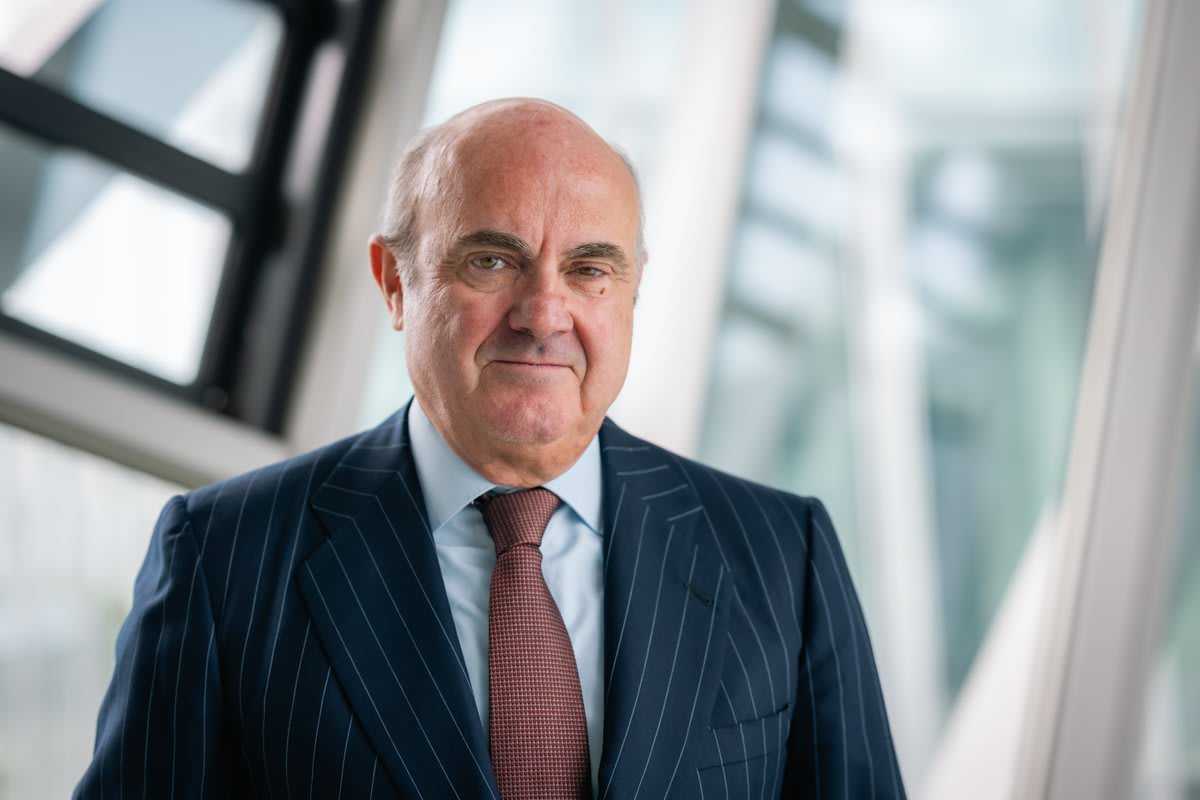
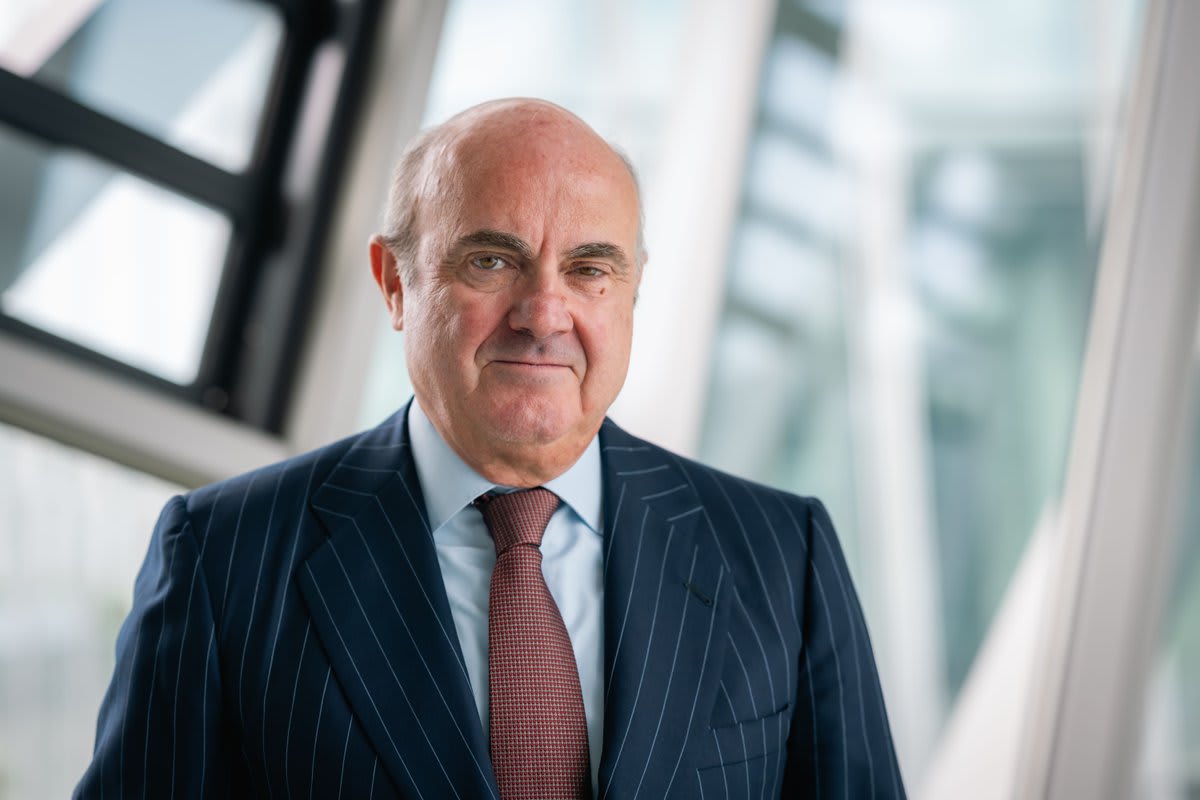
Adding a note of caution, outgoing ECB Vice President Luis de Guindos urged prudence in an interview with the Financial Times published on Monday. “The impact on growth is going to become much more visible over the coming weeks,” de Guindos said, calling on policymakers to wait for fresh data and June projections before acting. He stressed that the current energy shock differs from the 2021-22 inflation surge, noting that monetary policy is now in a “totally different situation” with positive interest rates and quantitative tightening already underway.
Markets Price In Tightening
Money markets are increasingly betting on rate hikes, with traders pricing in one to two 25-basis-point increases starting in June, which would lift the deposit facility rate — unchanged at 2.00% since June 2025 — to between 2.25% and 2.50% by year-end. On prediction platform Polymarket, the implied probability of at least one ECB rate hike in 2026 stands at 88%. The IMF has estimated the ECB should raise rates twice this year to combat energy-driven inflation before reversing course in 2027.
The hawkish shift follows a sharp deterioration in the inflation outlook since U.S.-Israeli strikes on Iran disrupted global energy markets. ECB staff revised their 2026 headline inflation forecast to 2.6%, up from 1.9% in December projections. ECB President Christine Lagarde said on May 9 that the bank faced “massive uncertainty” ahead of the June 11 decision.
A Divided but Converging Council
Despite the building consensus for action, divisions remain. Bundesbank President Joachim Nagel said in early May that the ECB “may need to hike rates in June,” while Latvia’s Martins Kazaks said he had “no objections” to market expectations of two hikes. De Guindos, however, cautioned that wage data remained stable and inflation expectations had not become unsettled, suggesting the case for patience had not yet collapsed. His term expires in weeks, leaving the final decision to a reconstituted leadership. “Let’s see the data,” he said. “Let’s see the projections. Let’s see what happens with the conflict”.