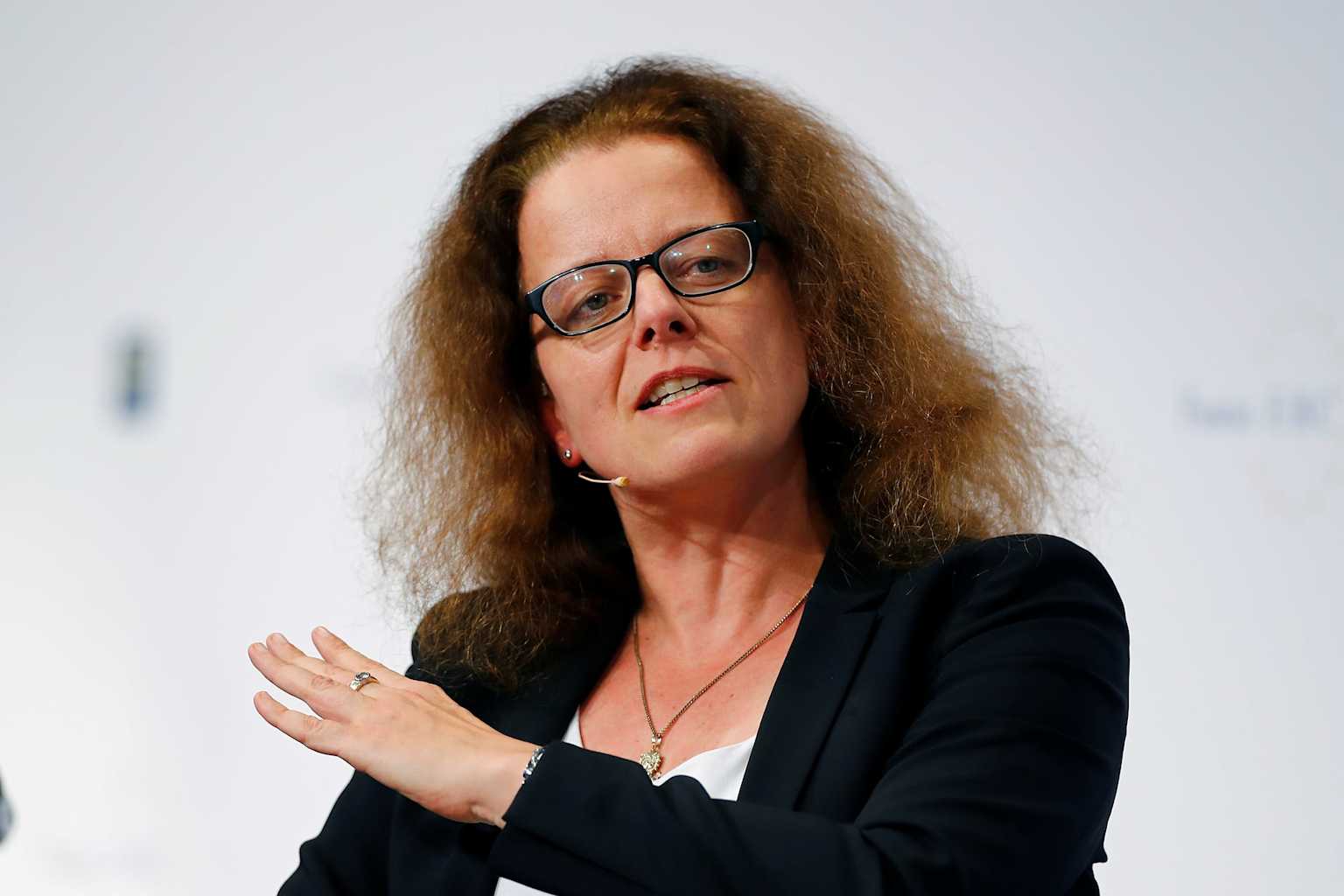
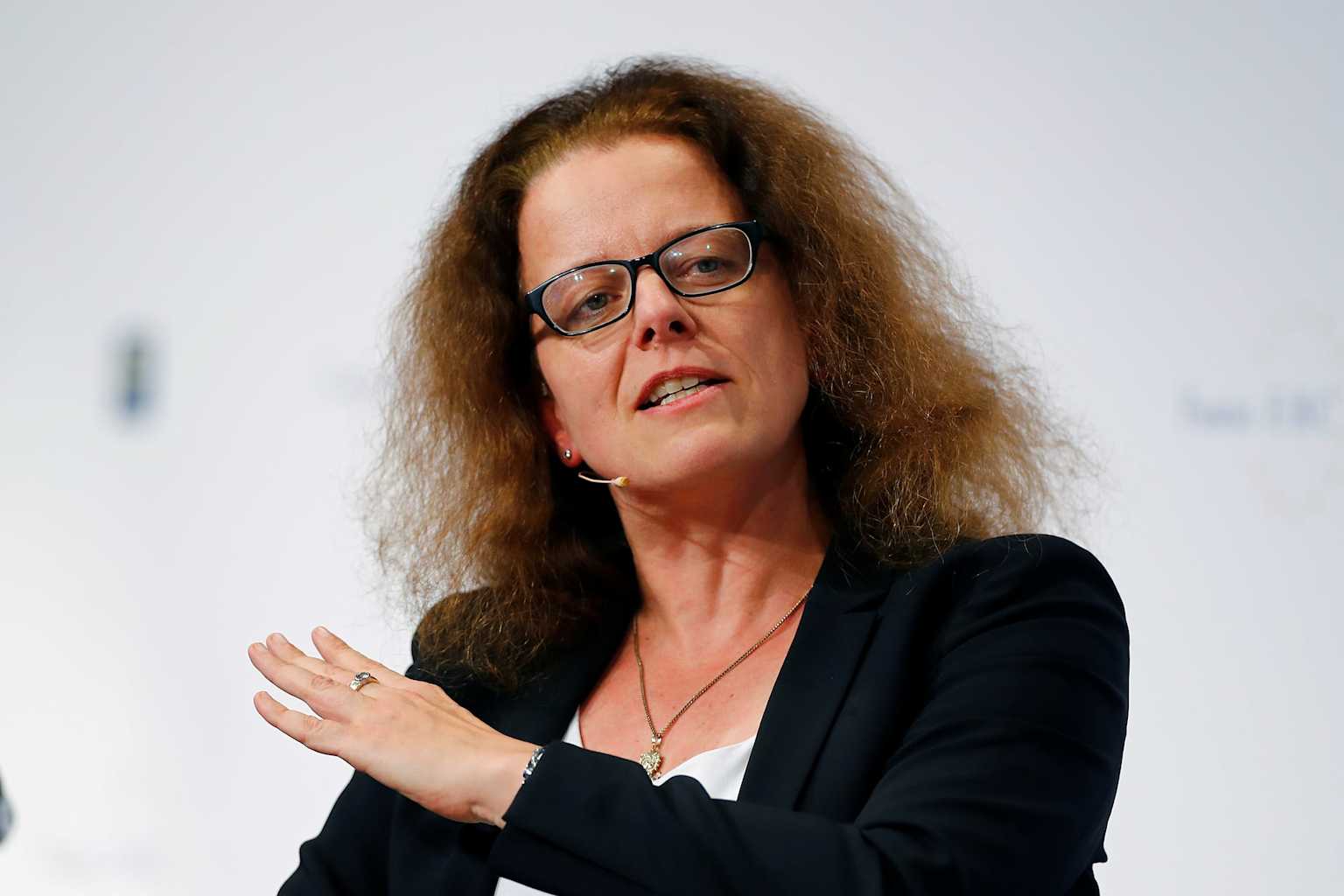
ECB Executive Board member Isabel Schnabel raised concerns Thursday about the resilience of financial markets in the face of mounting geopolitical and economic threats, delivering a sweeping speech at the London School of Economics that warned structural forces are quietly eroding the conditions for effective monetary policy.
Central Bank Independence Under Threat
Speaking at the Fifth Annual Charles Goodhart Lecture, Schnabel argued that central bank independence faces a convergence of pressures — from direct political attacks to the subtler constraints imposed by rising government debt and financial deregulation. She opened by citing former Federal Reserve Chair Jerome Powell’s final press conference, in which he explicitly referenced “legal attacks” on the Fed, calling the moment “deeply disconcerting.”
Schnabel identified two structural forces she said are “quietly eroding” the space for independent monetary policy: fiscal dominance, driven by sovereign debt approaching post-Second World War highs across advanced economies, and financial dominance, in which fragile financial systems constrain central banks from raising rates when needed.
Iran War Poses Fresh Inflation Test
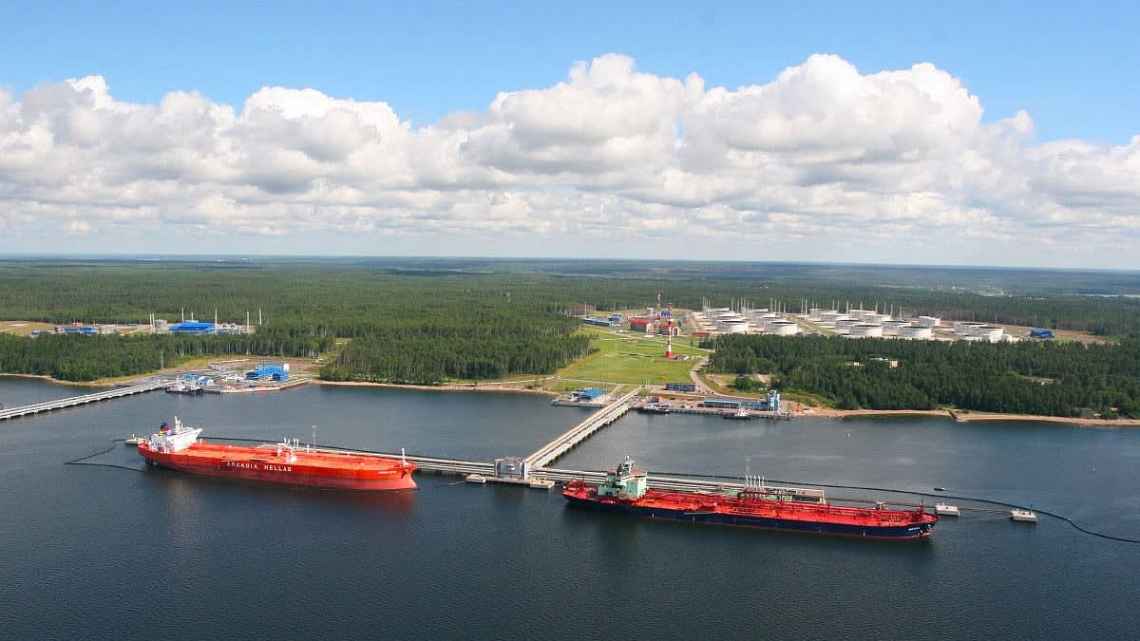
The speech placed the Iran war’s energy price shock at the center of current policy tensions. Schnabel noted that recent surveys show a “rapidly growing share of European manufacturing firms are planning to increase prices to protect their profit margins from rising input costs,” and that household inflation expectations have surged to levels last seen during the 2021-22 inflation episode.
She warned that price shocks are “likely to feed through the economy faster than in 2021, as memories of that painful inflation episode are still fresh,” and said the risk of second-round effects “has increased in recent weeks.”
The remarks build on Schnabel’s earlier statements that the ECB should not “rush into action” but must remain “vigilant” as the energy crisis unfolds. At an ECB Governing Council meeting in February, Schnabel had flagged that investor risk appetite stood “near its highest level since the global financial crisis of 2008” despite spiking geopolitical uncertainty, with stock market volatility rising only slightly compared to previous stress episodes.
Fiscal and Financial Fragility Compound the Challenge
Schnabel cautioned that governments responding to the Iran crisis must keep fiscal interventions “targeted, temporary and tailored,” warning that unchecked spending could force the ECB to “tighten more forcefully, raising the overall cost to society.” She noted that in some economies, stabilizing debt over seven years would require primary balance adjustments of up to 5 percent of GDP — adjustments that “have rarely materialized across advanced economies.”
On financial markets, she highlighted the growing role of hedge funds, which now account for roughly one-third of secondary trading in U.S. Treasuries and even higher shares in euro area sovereign bonds, making demand for long-duration government debt “less reliable.”
“The alternative — allowing fiscal and financial dominance to quietly erode the space for monetary policy amid blurred mandates — would progressively hollow out independence and ultimately lead to higher inflation and lower growth,” Schnabel concluded.