The European Commission has rejected airline industry pressure to waive passenger compensation obligations during the jet fuel crisis triggered by the US-Israeli war on Iran, ruling that soaring fuel prices do not constitute “extraordinary circumstances” under EU law.
Commission Draws Line on Compensation
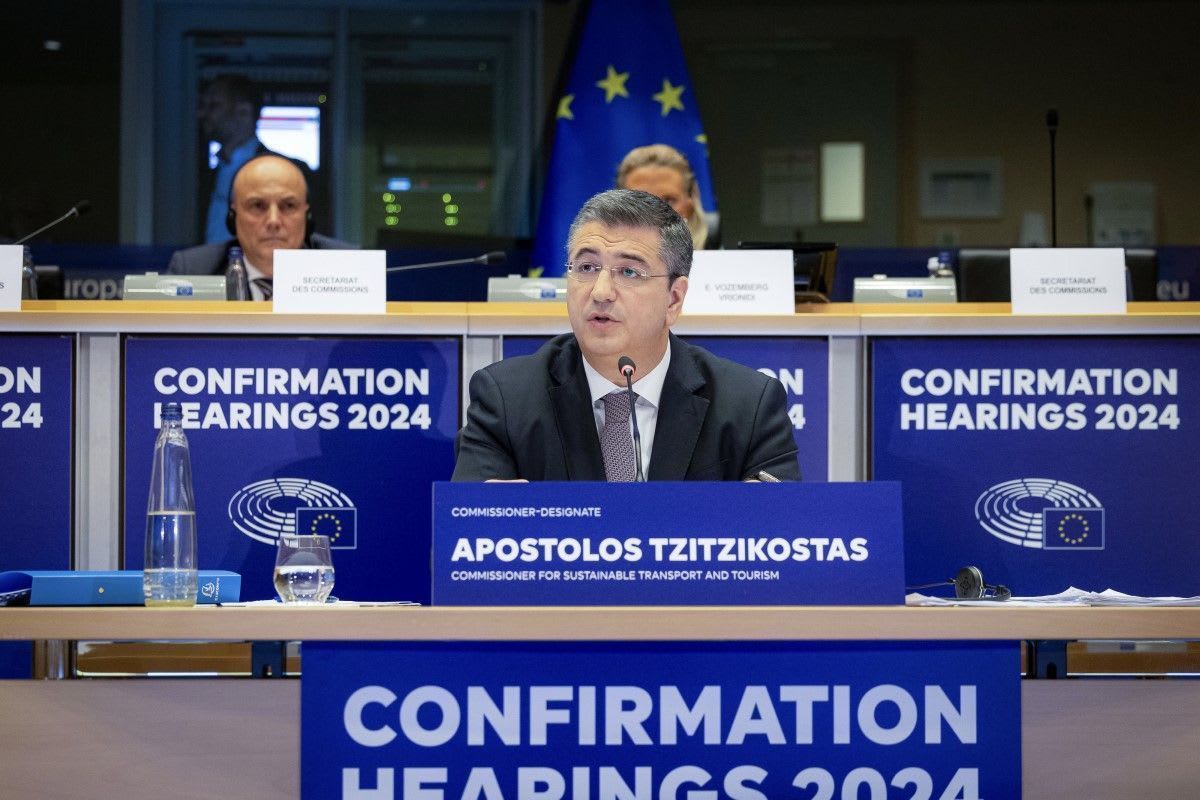
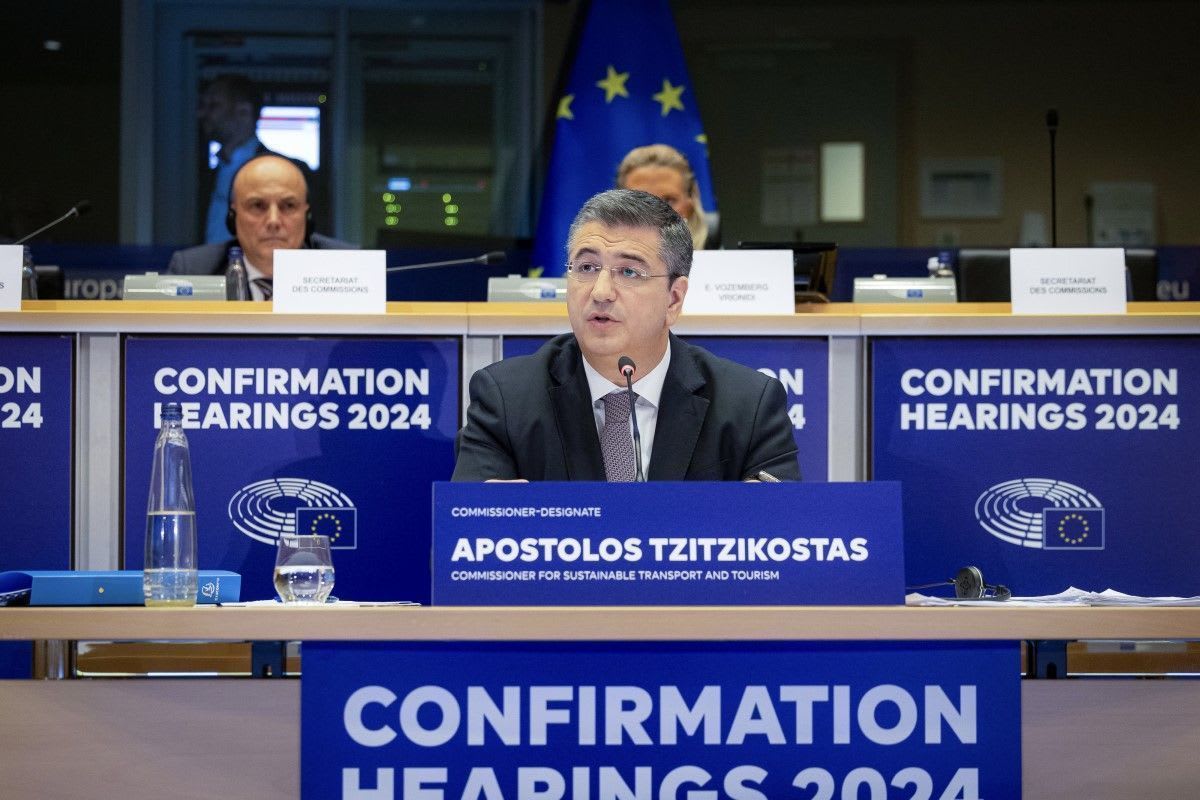
EU Transport Commissioner Apostolos Tzitzikostas told the Financial Times in an interview published Wednesday that airlines must continue reimbursing passengers for canceled flights, regardless of elevated fuel costs. “The price of jet fuel is the reason why we have cancellations of flights and if they cancel flights without extraordinary circumstances — jet fuel prices are not extraordinary circumstances — they will have to reimburse the people,” Tzitzikostas said.
The Commission’s forthcoming guidelines, expected this week, clarify rather than alter existing rules under EU Regulation 261/2004, which entitles passengers to between €250 and €600 for cancellations notified less than 14 days before departure. The draft text states that “managing the risk of high fuel costs is a normal part of an airline’s business,” according to the Irish Times.
Tzitzikostas acknowledged that some routes have become unviable at current fuel levels but described those cancellations as “business choices rather than events outside the carrier’s control”. The distinction matters: only a verified physical fuel shortage at an airport — not high prices — could qualify as an extraordinary circumstance relieving airlines of their compensation duties.
Fuel Prices Soar but Supplies Hold
Jet fuel costs have surged more than 80 percent since the conflict began in late February with the closure of the Strait of Hormuz disrupting global oil supply chains. Airlines have cut some 13,000 flights globally in May, though that represents only about 1 percent of worldwide services. Lufthansa alone has canceled 20,000 short-haul flights, and Spirit Airlines ceased operations, partially blaming skyrocketing fuel prices.
Despite the price spike, Tzitzikostas claimed Europe “can sustain jet fuel supplies for a long period” and said no physical shortages have been reported. However, Goldman Sachs research warns that Europe’s jet fuel availability could fall below the International Energy Agency’s 23-day shortage threshold by June, a scenario that would shift the legal calculus for airlines.
Slots and Contingency Planning
The Commission is maintaining requirements for airlines to use their allocated takeoff and landing slots, meaning operators that cancel flights due to high prices risk losing valuable airport access. This contrasts with the UK, where the government has granted airlines permission to cancel flights weeks ahead without forfeiting slots if fuel shortages materialize. The Commission is also exploring alternative fuel sources, including supplies from the United States, and has established a new fuel monitoring unit requiring daily stock reports from member states.