The European Union is set to inform airlines that the ongoing conflict in Iran has not disrupted tourism severely enough to justify emergency measures such as waiving compensation obligations for cancelled flights, according to draft EU guidelines seen by Reuters.
The decision marks a clear line from Brussels, which has so far resisted pressure from carriers seeking broad crisis relief comparable to what the industry received during the COVID-19 pandemic.

Brussels Draws a Line
“The current situation does not point to the need for dedicated measures for the tourism sector, unlike during the COVID-19 crisis,” the draft guidelines state, according to Reuters. “At this stage, available data indicate that overall impacts on tourism remain limited, with demand remaining broadly resilient.”
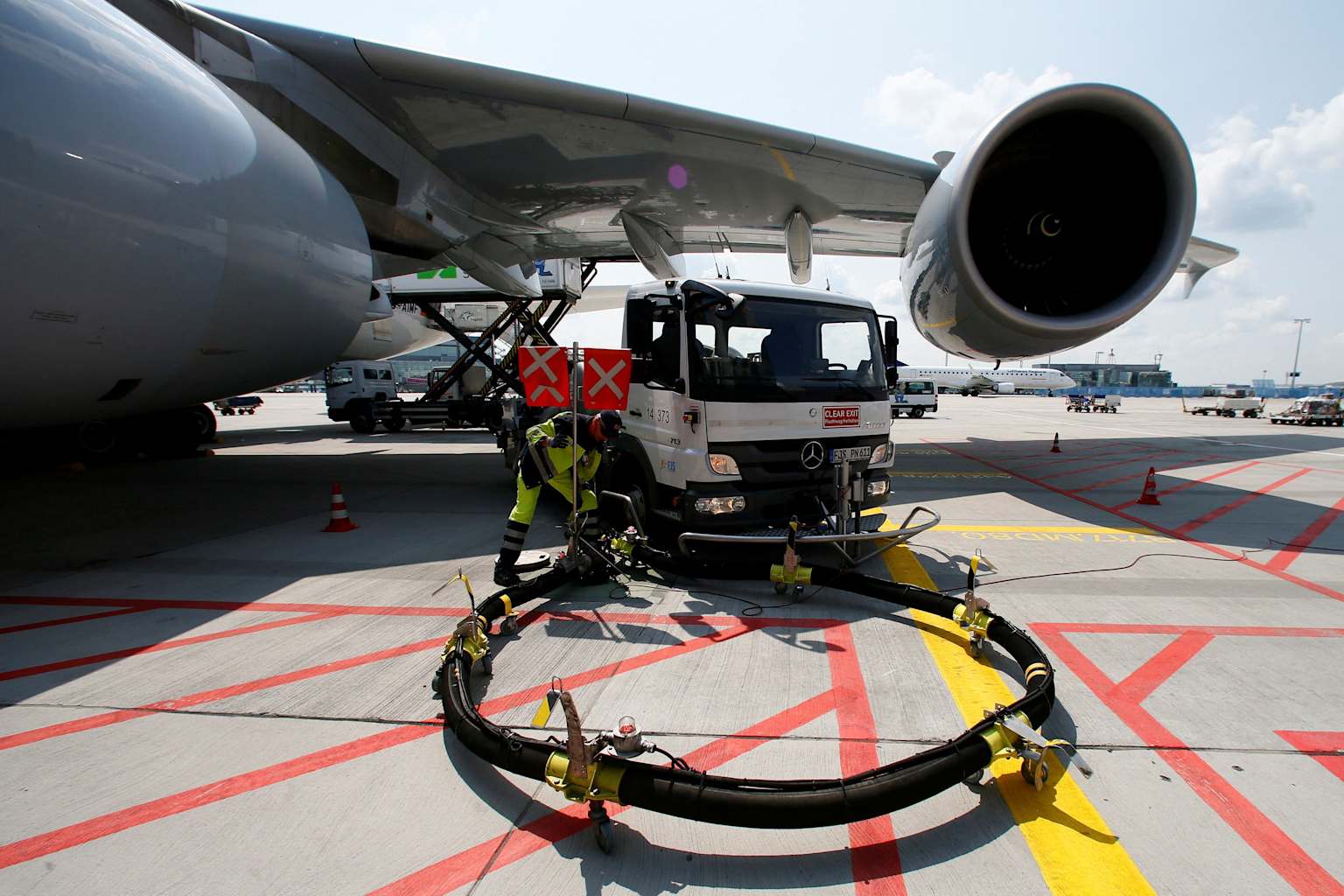
The document also clarifies that high jet fuel prices alone do not constitute the kind of serious operational disturbance that would trigger a waiver of airport slot-use rules — a key demand from carriers. No jet fuel shortages have been reported within the EU, despite Europe importing roughly 75% of its jet fuel from external sources, mainly the Middle East.
A European Commission spokesperson declined to comment on the document, which could still change before its expected publication on Friday.
Airlines Under Pressure but Not in Freefall
The guidelines come even as European aviation faces its toughest conditions since the pandemic. Jet fuel prices have risen nearly 84% since the U.S.-Israeli war with Iran began on February 28, and airlines globally have cut around 13,000 flights in May, removing some two million seats from schedules.
Lufthansa has axed 20,000 short-haul flights through October to conserve fuel, while KLM cut 160 European flights in April. The International Energy Agency warned in April that Europe had “maybe six weeks” of jet fuel left.
Yet the Commission maintains that the disruption remains an economic problem rather than a supply emergency. “At this stage, this is more a problem of economics and fuel costs than availability,” aviation transport specialist Matteo Mirolo told AFP.
Diverging Approaches
The EU’s cautious stance contrasts with the United Kingdom, where the government confirmed on May 3 that it would loosen slot rules to allow airlines cancelling flights due to fuel concerns to retain their slots without penalty.
The Commission is expected on Thursday to outline clarifications on existing tools member states can use, including easing anti-tankering rules and providing temporary flexibility on slot allocations — but stopping short of a blanket waiver. The EU Aviation Safety Agency is also due to publish recommendations on whether to allow the use of U.S.-produced Jet A fuel, which has a higher freezing point than the Jet A-1 standard used in Europe.
Airlines for Europe, the industry group representing carriers including Lufthansa, Air France-KLM, and IAG, had pushed for broader intervention including suspension of aviation carbon taxes and joint fuel procurement. For now, Brussels appears content to wait.