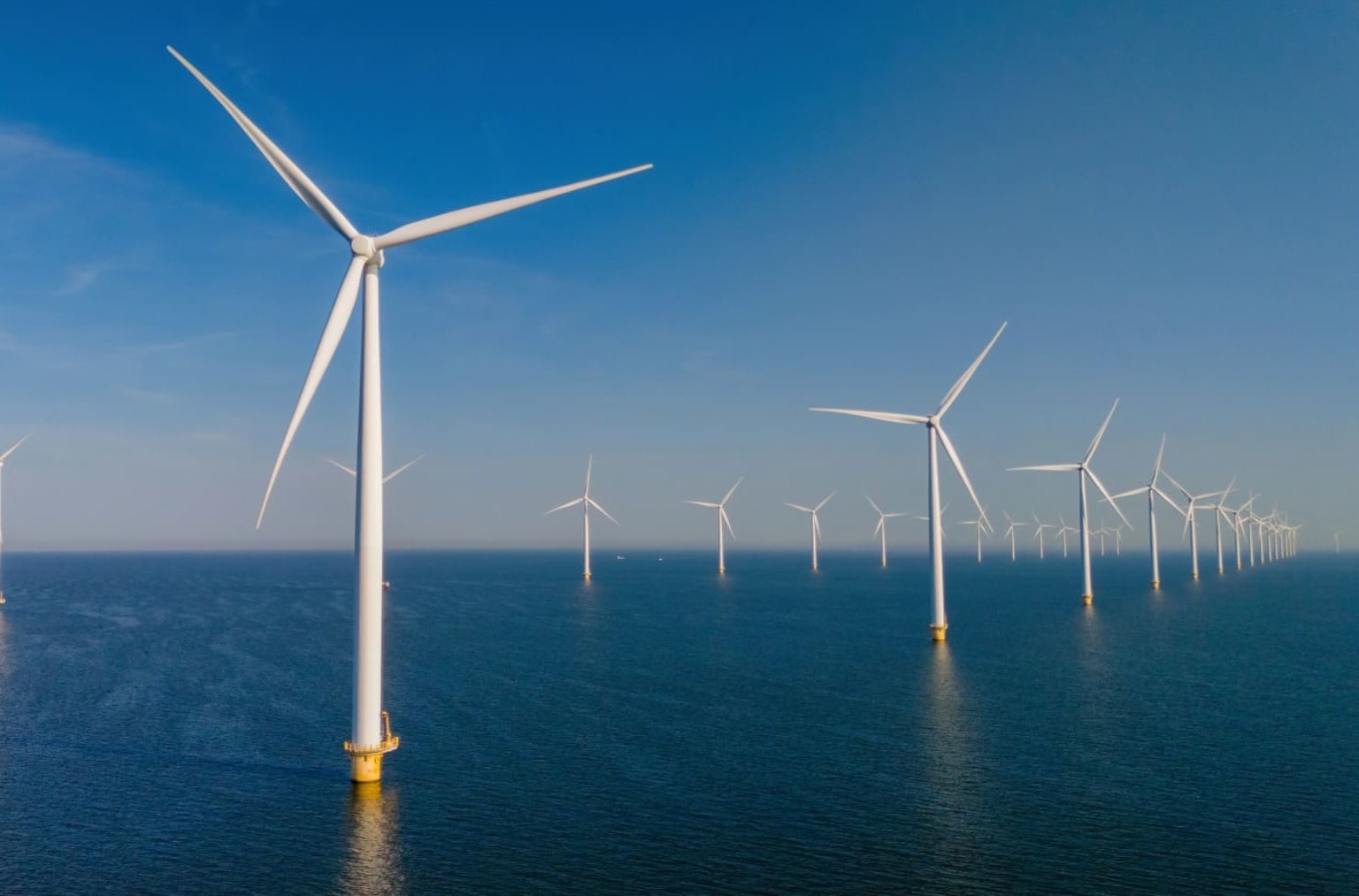
Europe’s ambitions for offshore wind power are colliding with a tightening turbine supply chain that is reshaping the industry’s economics and handing pricing power to a shrinking pool of manufacturers, according to a new analysis from Rystad Energy published this week.
Turbine selling prices have risen 40% to 45% since 2020, well outpacing manufacturing cost increases of 20% to 25% over the same period, the energy research firm found. The widening gap reflects a market that has shifted decisively in favor of turbine makers after years of margin compression, with the duopoly of Siemens Gamesa and Vestas now controlling virtually all offshore turbines available to European developers.

A Market Reshaped by GE Vernova’s Retreat
The supply concentration stems largely from GE Vernova’s decision to pause new offshore wind orders following a string of technical and operational setbacks. The company’s offshore wind unit has not added new orders for nearly three years, and its existing $3 billion backlog is expected to take roughly two years to complete. A legal dispute with the Vineyard Wind project in Massachusetts has further complicated GE Vernova’s offshore position, with a court in April blocking the company from abandoning work on the New England wind farm over a $300 million payment dispute.
With GE Vernova sidelined, Siemens Gamesa and Vestas are the only Western suppliers left to meet Europe’s offshore pipeline. Siemens Gamesa holds the larger overall share of deliveries and was first to move into the 14-MW and 15-MW turbine classes, while Vestas’ V236-15-MW platform has gained ground since 2024.
Investors Reward the Incumbents
The supply dynamics have translated into strong share performance. Siemens Energy, which owns Siemens Gamesa, has surged roughly 47% year-to-date through late April, buoyed by record order intake and rising demand from grid infrastructure and AI-driven electrification. The company raised its fiscal 2026 outlook in April, now expecting comparable revenue growth of 14% to 16% and a profit margin of 10% to 12%. Vestas reported its best first-quarter profitability since 2018 on May 6, with revenue up 14% year-on-year to 4 billion euros and an order intake of 5.2 billion euros.
Structural Pressures Ahead
The pricing pressure is most acute in nacelles and blades, where supplier concentration is high and substitution options are limited. Rystad warned that if Europe fails to expand Western manufacturing capacity or adjust its auction frameworks, it risks missing its post-2030 offshore wind targets. “The market has moved into structurally tight territory: high demand, limited supplier diversity and rising turbine complexity,” said Sander Baksjoberget, a senior analyst at Rystad Energy. “That combination gives original equipment manufacturers real pricing power and the ability to be selective about which projects get built.”