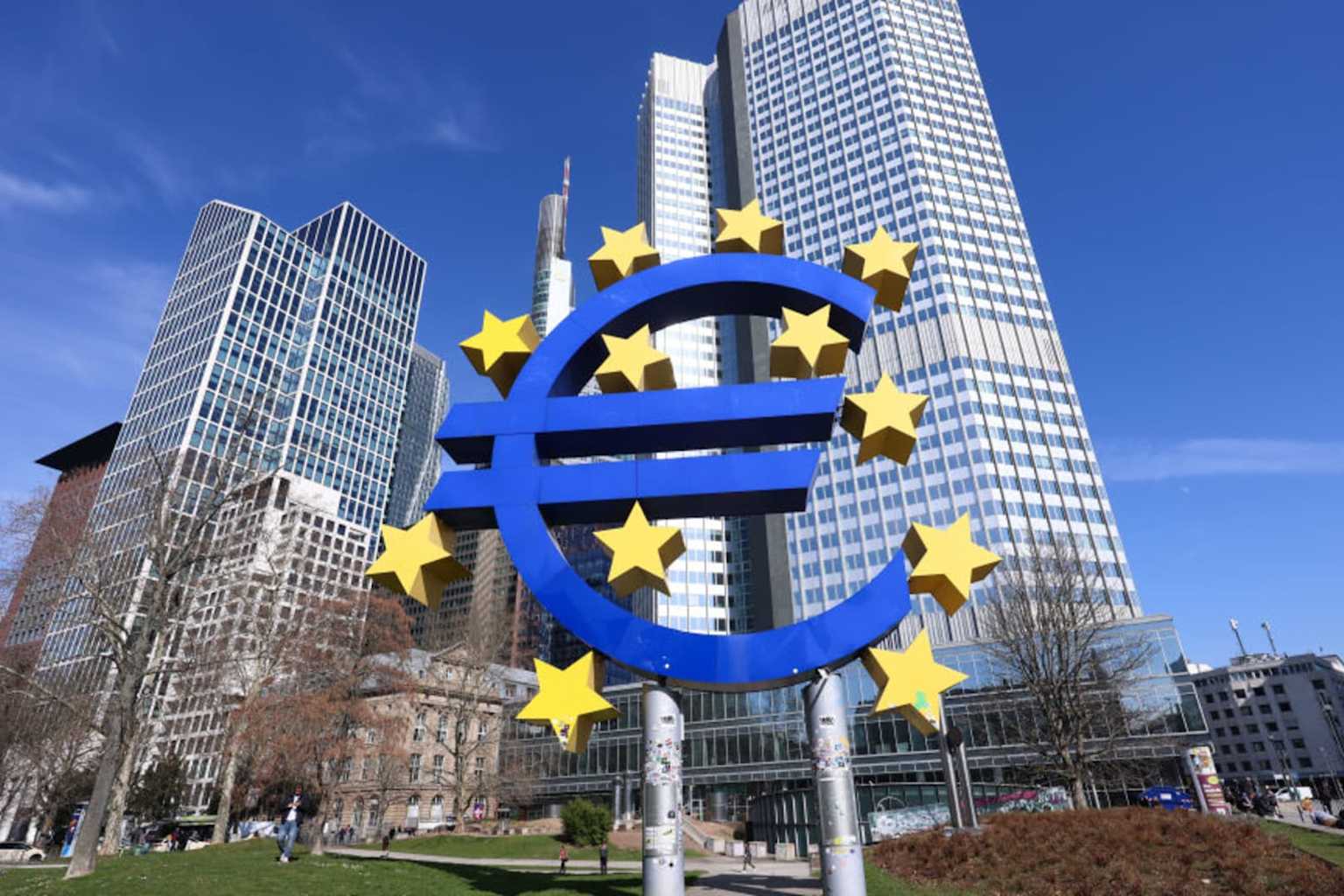
The European Central Bank is moving closer to raising interest rates for the first time since the current easing cycle ended, as the energy shock from the Iran conflict drives inflation higher and policymakers warn that waiting too long risks entrenching price pressures across the eurozone.
Nagel Makes the Case for June
Bundesbank President Joachim Nagel said on Monday that the ECB will need to raise borrowing costs at its June 11 meeting unless there is a marked improvement in the inflation outlook. “From today’s standpoint, the situation is developing less favorably than in the previous baseline scenario,” Nagel said in comments from Frankfurt. “This makes it all the more fitting for the Governing Council to react in June if the outlook does not significantly improve.”
Nagel added that while it was prudent not to tighten policy at the April 29–30 meeting to gain clarity on the fallout from the Iran war, “this vigilant wait-and-see approach should not be confused with hesitation.” Estonian central bank chief Madis Muller echoed the sentiment, writing in a blog post that “it is becoming increasingly probable that we will need to” raise the deposit rate from its current 2%.
Villeroy Urges Caution on Second-Round Effects
Outgoing Banque de France Governor François Villeroy de Galhau, who plans to step down in early June, struck a more measured tone. Speaking on France 5 television on Tuesday, he said the ECB does not yet see enough evidence of oil price increases feeding through to broader inflation. “If we see such second-round effects, we’ll act and raise rates to prevent inflation becoming broad and sustainable,” he said. “For the moment, we don’t have sufficient signs of this propagation.”
Villeroy’s comments suggest the Governing Council remains divided on the timing of any move, though markets are pricing in a first 25-basis-point hike by July and a second by September, according to CNBC.
Producer Prices Flash a Warning
Fresh data from Eurostat released on May 6 underscored the urgency. Eurozone industrial producer prices surged 2.1% year-on-year in March, swinging sharply from a 3.0% decline in February — the first positive reading since mid-2023. On a monthly basis, factory-gate prices jumped 3.4%, driven overwhelmingly by an 11.1% surge in energy costs.
Investment firm Robeco forecasts two 25-basis-point hikes in June and September if Brent crude holds near $80 per barrel, a scenario that would push the ECB’s deposit rate to 2.5% by autumn. With inflation already running at 3% and oil supply disruptions from the Strait of Hormuz blockade persisting, the central bank faces its most consequential policy decision since 2022.