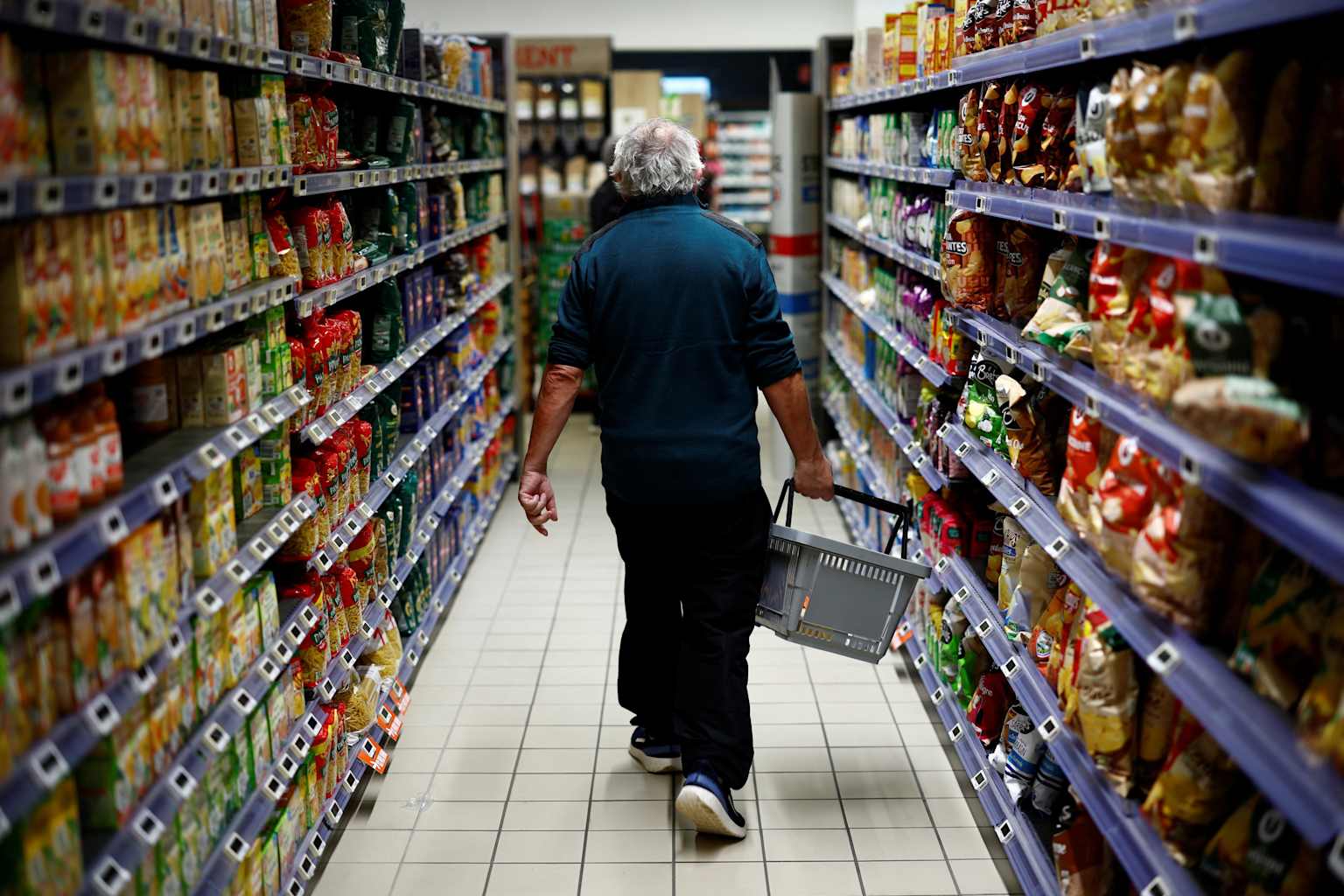
Eurozone retail sales edged down 0.1% in March compared with February, data released Wednesday by Eurostat showed, marking a third consecutive month of declining consumer spending as the war in Iran continues to ripple through Europe’s economy. The headline figure beat market expectations of a 0.3% decline but extended a weakening trend that has taken hold since late 2025.
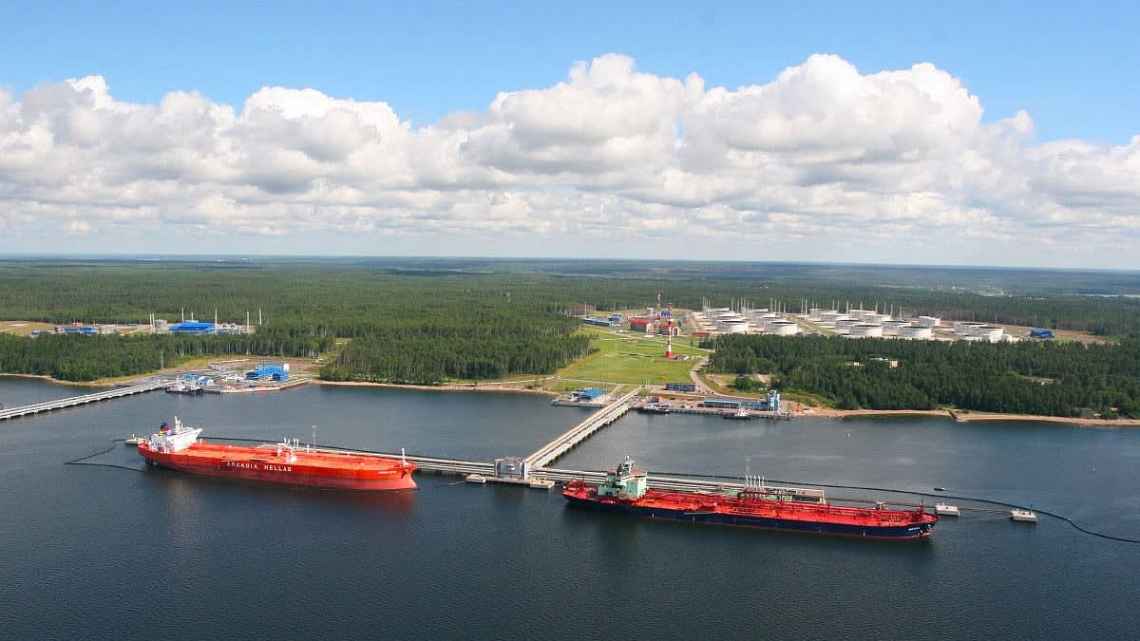
The drag came overwhelmingly from fuel. Automotive fuel sales in specialised stores plunged 1.6% month-on-month in the euro area, the sharpest drop among retail categories, as surging pump prices from the Strait of Hormuz disruption suppressed volumes. Non-food products excluding fuel were the lone bright spot, rising 0.6%, while food, drinks, and tobacco fell 0.3%.
Germany Bears the Brunt
Among member states, Germany posted the steepest decline at 2.1%, driven by a 5.6% real-terms collapse in fuel station turnover and a 2.7% drop in food retail, according to Destatis data released last week. Malta fell 0.4%, while Italy and Latvia each slipped 0.1%. At the other end, Slovenia surged 4.3% and Luxembourg gained 4.0%.
On a year-over-year basis, eurozone retail trade growth slowed to 1.2% in March, the weakest reading since the series began recovering in mid-2024, down from 1.3% in February. Germany was among the worst performers annually as well, with sales down 2.0% compared to March 2025.
Consumer Confidence in Freefall
The spending weakness aligns with a sharp deterioration in sentiment. Euro area consumer confidence plunged to -20.6 in April, its lowest level since December 2022, dropping 4.2 points from March, according to the European Commission’s flash estimate. The collapse has been in freefall since the Iran war began in early March, with the Commission explicitly citing “heightened global economic uncertainty linked to the ongoing geopolitical tensions”.
Analysts warn the worst may be yet to come. Energy prices surged in March — Eurostat separately reported that industrial producer prices for energy jumped 11.1% month-on-month in the euro area — but the full pass-through to consumers typically lags by several months. Bloomberg opinion noted that while European electricity markets have remained relatively calm compared to 2022, the oil-specific shock is reshaping consumer behaviour in ways not yet fully captured by the data.
The European Central Bank has warned that a prolonged conflict risks pushing energy-dependent economies including Germany and Italy into technical recession by year-end. With consumer spending now contracting for a third straight month and confidence at multi-year lows, the eurozone’s largest engine of domestic demand shows few signs of recovery.