The leaders of the world’s largest oilfield services companies are sounding the alarm: the Iran conflict has set off a structural shift in global energy markets that will persist well beyond any ceasefire, driving tens of billions of dollars in reconstruction and a new wave of investment in exploration and LNG capacity.
Oilfield Giants See a New Energy Order
During first-quarter earnings calls in late April, SLB CEO Olivier Le Peuch and Baker Hughes CEO Lorenzo Simonelli each described a market being reshaped by the U.S.-Israeli war against Iran. Le Peuch called the opening months of 2026 “a challenging start to the year” as Middle East disruptions hammered SLB’s regional revenue, which fell 10% to $2.69 billion. Baker Hughes reported a similar drag, with both companies warning that the closure of the Strait of Hormuz — which previously carried roughly 20% of global oil supply — had removed some 9 million barrels per day from the market.
Yet both CEOs framed the upheaval as a catalyst. “There is an escalating requirement for enhanced upstream investments to boost global production capabilities,” Simonelli told Bloomberg Television, adding that LNG project decisions in North America could accelerate. Le Peuch said many countries would prioritize supply diversification and pour capital into exploration in North America, Latin America, and deepwater offshore markets once hostilities subside.
Damage Runs Deep — and Expensive
The scale of physical destruction underpins those forecasts. Rystad Energy estimated in mid-April that repair and restoration costs for energy infrastructure damaged across the Middle East could reach $58 billion at the high end, with a midpoint of $46 billion — nearly double an earlier $25 billion estimate issued in March. Oil and gas facilities alone account for up to $50 billion of the total, with Iran bearing the highest single-country burden at up to $19 billion.
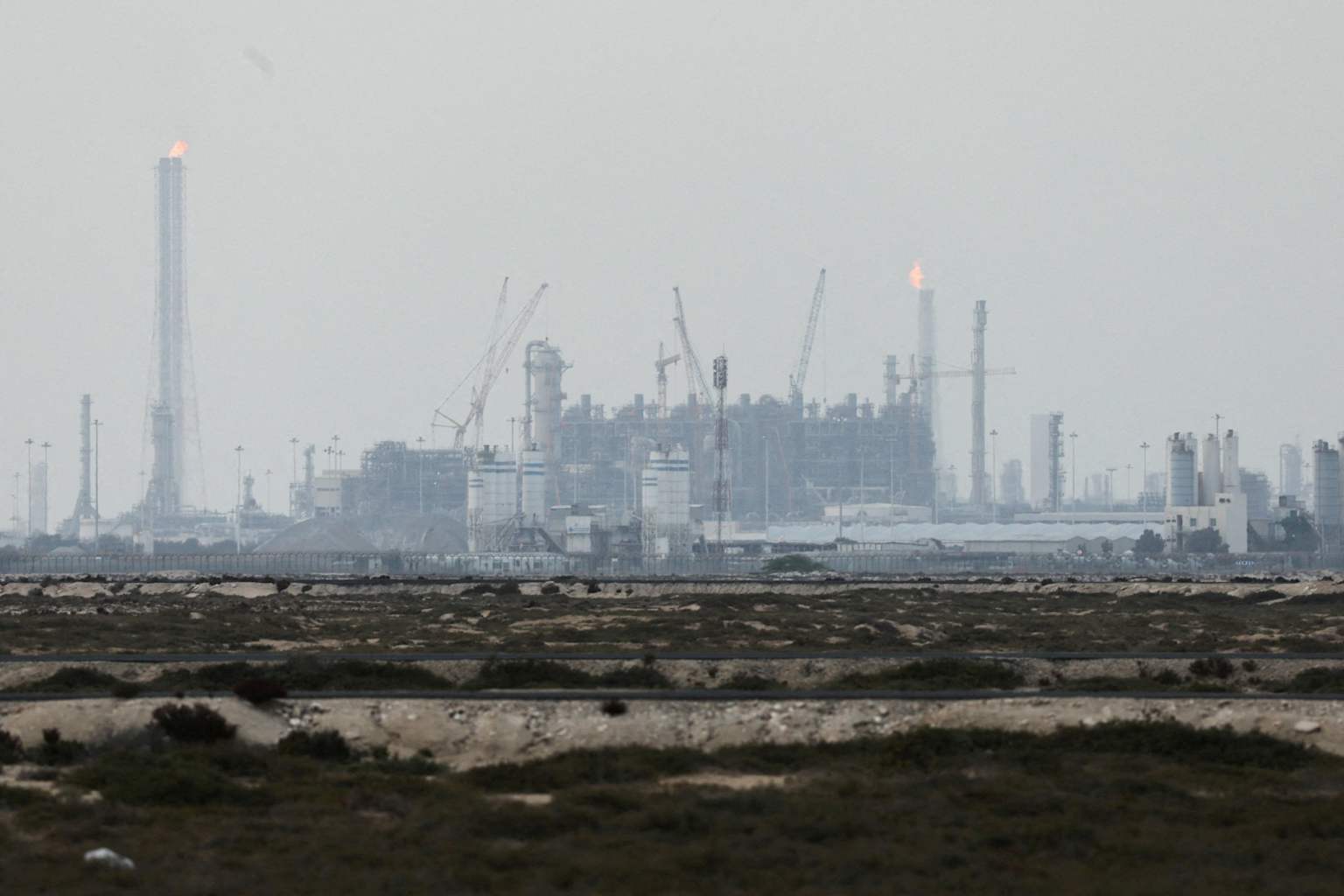
Qatar has been especially hard hit. Iranian missiles struck Qatar’s Ras Laffan Industrial City in March, damaging facilities that represent about 17% of the country’s LNG export capacity, according to QatarEnergy CEO Saad al-Kaabi, who told Reuters that repairs would take three to five years.
Fitch Raises the Price Outlook
On May 8, Fitch Ratings raised its near-term European natural gas price assumptions, citing continued tightness from Qatari LNG supply disruptions. The agency said the European gas market would “remain tight throughout 2026” even assuming the Strait of Hormuz reopens around July. Fitch also lifted its Brent crude forecast to $80 per barrel for 2026, up from a prior assumption of $65.
The convergence of warnings from industry executives, energy consultants, and credit-rating agencies points to a single conclusion: even an imminent ceasefire — the U.S. and Iran reached a temporary halt to hostilities on April 8 — will not quickly undo the damage to infrastructure or the anxiety now driving investment decisions across the global energy sector.