Global bond markets experienced a dual surge this week as borrowers rushed to lock in favorable financing conditions amid growing optimism over a potential deal to end the US-Iran war. Asia’s dollar bond market saw a burst of issuance on Thursday, May 7, while Europe’s corporate bond market set records a day earlier, with issuers racing to capitalize on tightening credit spreads before upcoming public holidays could close the window.
Europe Sets Records Ahead of Holidays
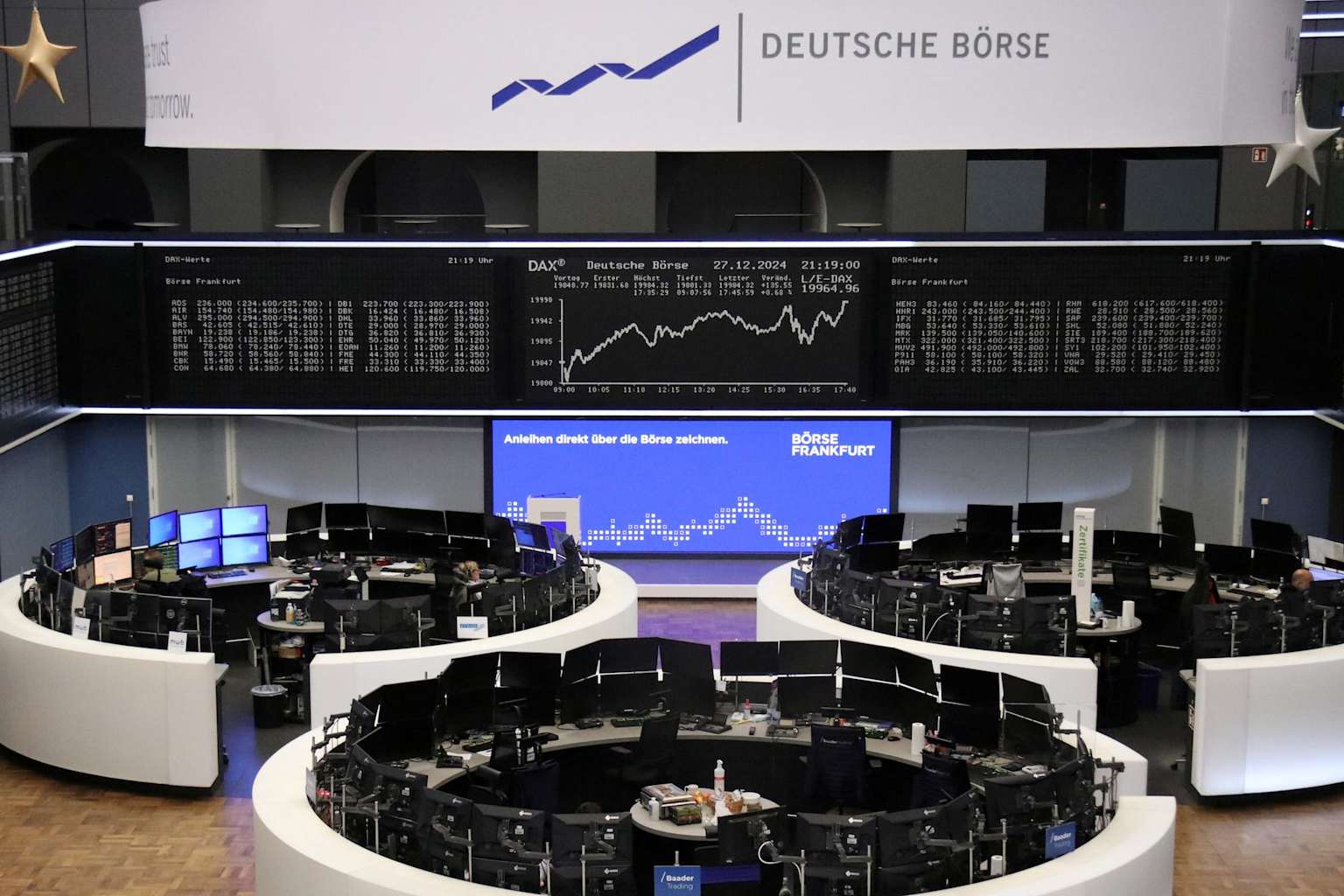
On Wednesday, May 6, Europe’s primary bond market recorded one of its busiest sessions ever, with 34 borrowers entering the market across 43 tranches, according to Bloomberg. The rush included Airbus selling its first bond in nearly six years, Carlsberg Breweries debuting hybrid debt, and pharmaceutical giant Novartis among the issuers. The flurry came as global bonds rallied following an Axios report that the US and Iran are closing in on a one-page memo to end the war, driving down energy prices and curbing expectations for further interest rate hikes.
The rally pushed the US 10-year Treasury yield down by as much as nine basis points to 4.33%, while Germany’s benchmark yield fell as much as 10 basis points. UK gilts led the advance, with long-bond yields retreating from their highest levels since 1998.
Asia Builds on Momentum
Asia’s dollar bond market continued its strong run on Wednesday, building on April’s $38 billion of issuance — the highest for any April since 2021. The Hong Kong government was marketing a multi-currency offering, while HSBC priced a two-part dollar deal in what shaped up as the region’s busiest primary session in over two weeks.
The momentum follows a period in which credit spreads across Asia have tightened to near-record lows. The JPMorgan Asia Credit Index posted a one-year return of 5.41% as of March 31, with investment-grade spreads compressing steadily. Hong Kong dollar bond issuance has reached $14.8 billion in 2026, marking a nearly 17% increase year-on-year.
A Narrow Window
The dual surge reflects issuers’ awareness that the current calm may prove fleeting. President Trump said on Tuesday that a deal is “getting close” but that Iran has not yet agreed to the proposal, while Iranian state media signaled that parts of the US offer remain unrealistic. The proposed framework reportedly includes a provision to end the war immediately and begin a 30-day negotiation period to lift restrictions on the Strait of Hormuz.
“Issuers sense a positive turn and they are taking advantage of it before volatility returns, and that’s why you have seen a flood of deals,” one market participant told Bloomberg.