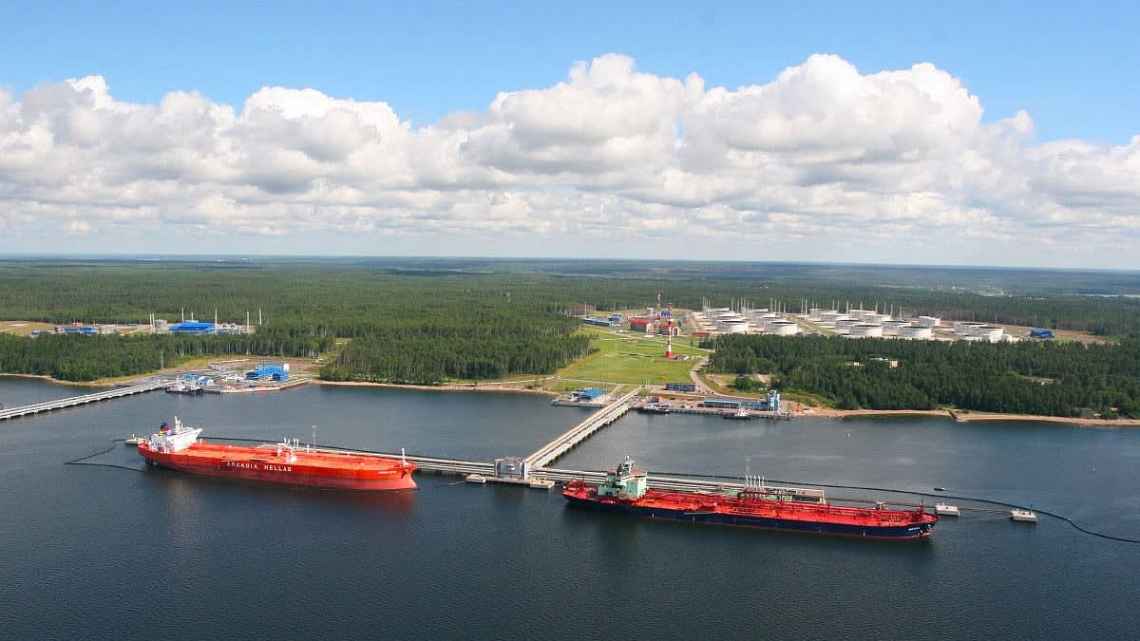
More than two months after the United States and Israel launched coordinated strikes against Iran, the near-total closure of the Strait of Hormuz is draining the world’s oil reserves at a record pace, sending American gasoline prices soaring and threatening European airlines with fuel rationing by summer.
Prices at the Pump and Vanishing Stockpiles
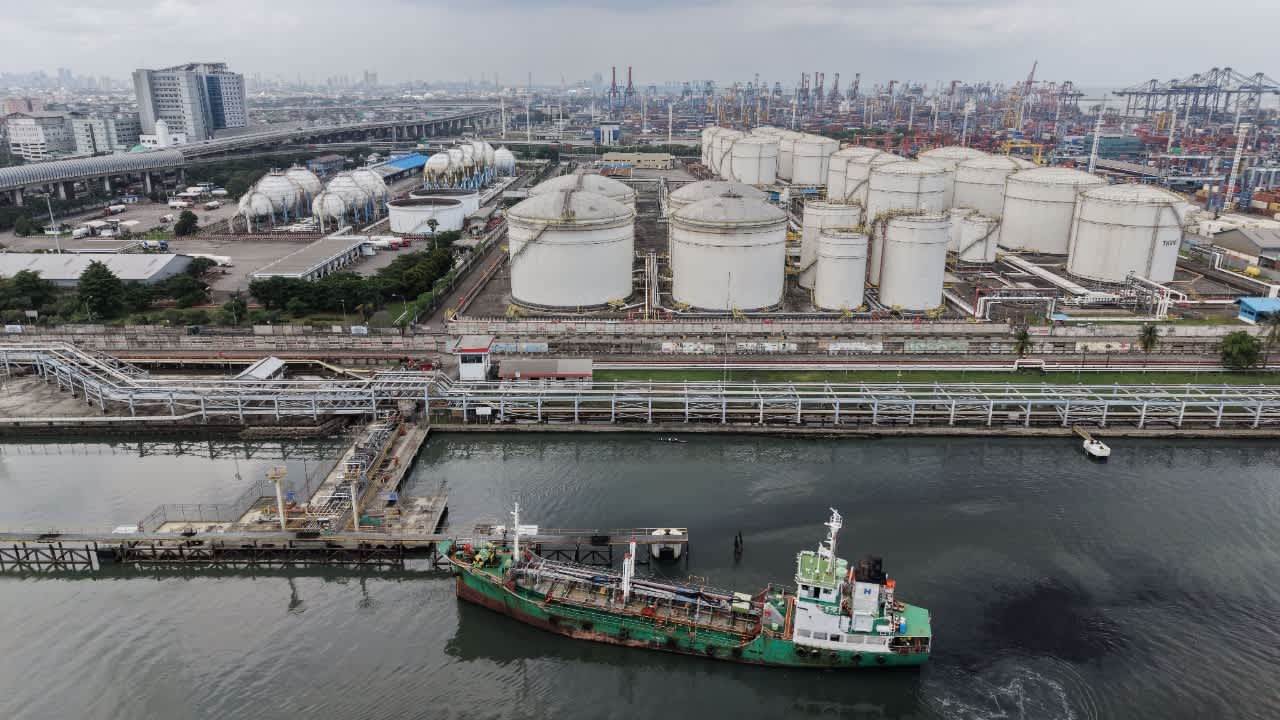
US gasoline prices have risen 50% since the war began on February 28, reaching a national average of $4.48 per gallon as of early May, according to AAA data reported by the Associated Press. By mid-week, that figure climbed further to $4.52, with California drivers paying upward of $6.17 a gallon. Morgan Stanley estimates global oil stockpiles fell by roughly 4.8 million barrels per day between March 1 and April 25 — the steepest quarterly drawdown ever recorded by the International Energy Agency. US crude reserves, including the Strategic Petroleum Reserve, have dropped for four consecutive weeks, with distillate stockpiles at their lowest since 2005 and gasoline inventories near their weakest seasonal levels since 2014. The US Department of Energy has utilized about 79.7 million barrels of the 172 million it pledged to release as part of a coordinated IEA effort involving 400 million barrels globally.
Europe’s Jet Fuel Crisis and Airline Fallout
The squeeze is especially acute in aviation fuel. IEA Executive Director Fatih Birol warned in mid-April that Europe had “maybe six weeks or so” of jet fuel remaining. A Goldman Sachs research note published this week estimated that European commercial jet fuel inventories will dip below the IEA’s critical 23-day shortage threshold sometime in June, with the United Kingdom most at risk of rationing. Inventories at the Amsterdam-Rotterdam-Antwerp hub have plunged by a third since the war started. Lufthansa announced in late April that it would cancel 20,000 short-haul flights through October to conserve an estimated 40,000 metric tons of jet fuel. US refiners, meanwhile, have shifted output toward diesel and jet fuel at the expense of gasoline, further tightening supply at the pump.
Escalation Risks and Economic Warnings
Economist Nouriel Roubini warned this week that investors may still be underpricing the conflict’s economic toll. In a worst-case scenario where Iran deploys its remaining military capability to destroy regional energy infrastructure while keeping the strait closed, “oil prices would spike closer to, or even above, $200 per barrel, and we would be looking at 1970s-style stagflation, a global recession, and a bear market for equities,” he told Business Insider. JPMorgan analysts have cautioned that OECD oil inventories could hit “operational minimums” between May 9 and May 30, “at which point price increases become exponential rather than linear”. With sporadic clashes between US and Iranian forces continuing in the Strait of Hormuz even under a nominal ceasefire, and Tehran still weighing Washington’s latest peace proposal, the path to reopening the waterway — and relieving the global energy squeeze — remains uncertain.