The conflict in Iran has upended what was expected to be a year of monetary easing, with major central banks across the world holding interest rates steady or raising them outright as energy-driven inflation surges through the global economy.

A Week of Holds and Hawkish Dissent
In a concentrated stretch of decisions in late April, the U.S. Federal Reserve, the European Central Bank, the Bank of Japan, and the Bank of England all chose to keep rates unchanged — marking a sharp departure from the easing trajectory that had characterized late 2025.
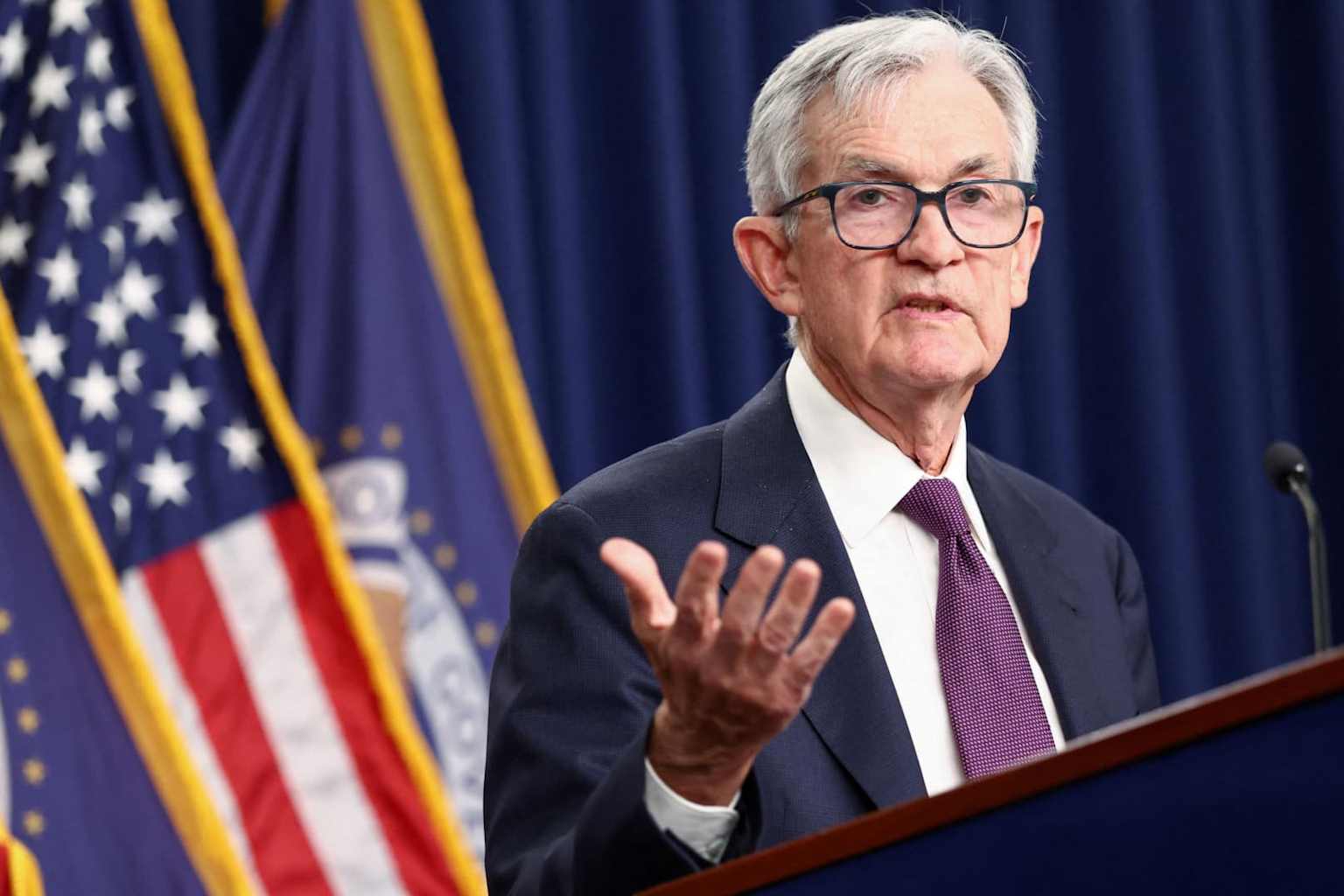
The Fed held its benchmark funds rate at 3.5% to 3.75% on April 29, in what may have been Chair Jerome Powell’s final meeting leading the institution. The vote revealed the deepest internal divide in more than three decades: four members dissented, the most since October 1992, with three opposing the committee’s continued bias toward future rate cuts and one pushing for an immediate reduction. Morgan Stanley now expects the Fed to hold rates for the rest of 2026 before cutting in early 2027.
The ECB kept its deposit rate at 2% on April 30 as eurozone inflation jumped to 3% in April, driven by rising energy costs. The Bank of England held at 3.75% the same day, with Governor Andrew Bailey citing “the unpredictability of developments in the Middle East”. The Bank of Japan maintained its rate at 0.75% in a 6-3 vote, with three dissenters pushing for a hike. Poland’s National Bank of Poland also held steady at 3.75% after cutting in March, with policymakers signaling that further easing is “firmly off the agenda”.
Emerging Markets Feel the Squeeze
For some countries, holding rates has not been enough. The Bangko Sentral ng Pilipinas raised its benchmark rate by 25 basis points to 4.5% in late April after Philippine inflation spiked to 7.2% — a three-year high driven by surging transport and food costs. HSBC warned the rate could reach 6% if the conflict extends beyond May.
Australia’s Reserve Bank of Australia went further, hiking rates for a third consecutive time in early May, lifting the cash rate by 25 basis points to 4.35% as inflation climbed to 4.6%. Reuters reported in late April that the oil price spike had “short-circuited” easing efforts across emerging markets, with many central banks now facing the prospect of tightening rather than loosening policy.
A Conflict-Driven Inflation Shock
The economic disruption traces directly to Tehran’s effective blockade of the Strait of Hormuz, a chokepoint for roughly one-fifth of global oil supply. The resulting energy price shock has pushed inflation above target in economies that had been on a steady path toward rate normalization. Eurozone inflation, for instance, had been near the ECB’s 2% goal before accelerating to 2.6% in March and 3% in April.
MUFG analysts noted that while longer-term inflation expectations remain anchored, “the economy is now facing its fourth supply shock this decade,” making central banks reluctant to act until the picture clarifies. The question now, as Barclays analyst Silvia Ardagna put it, is whether medium-term inflation expectations “deteriorate significantly” — at which point holding rates may no longer be sufficient.