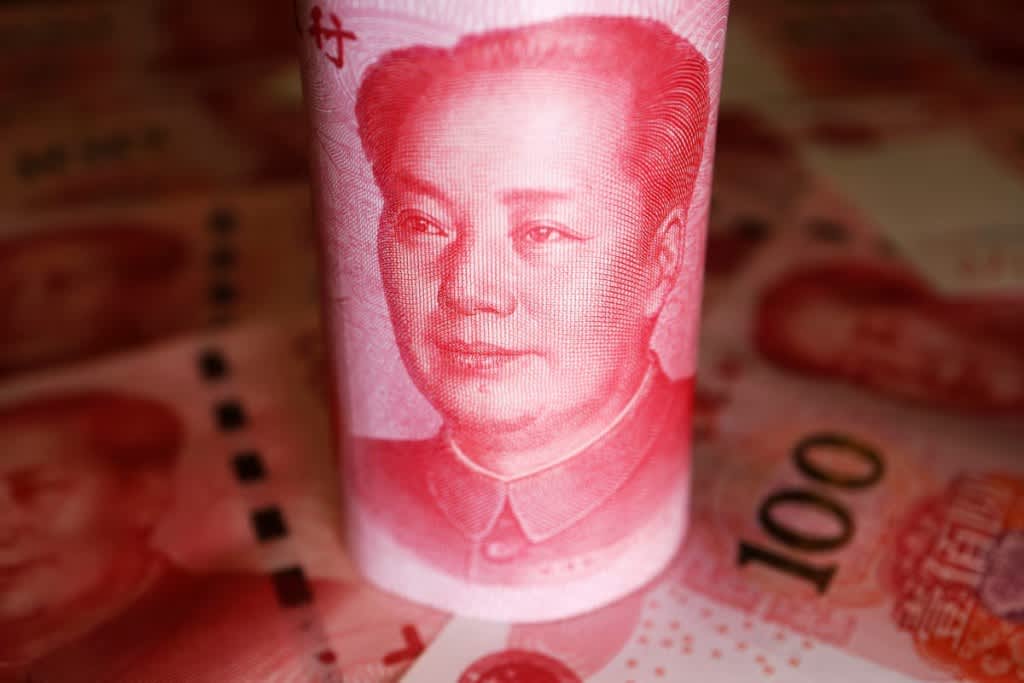
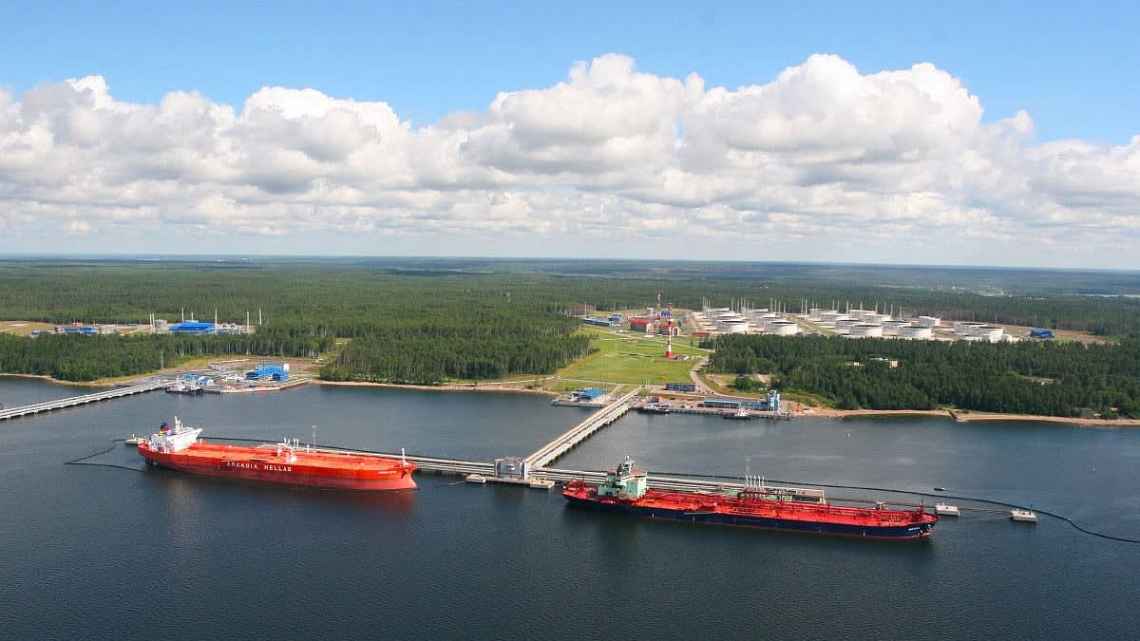
Weeks of U.S.-Israeli strikes on Iran and the effective closure of the Strait of Hormuz are sending shockwaves through China’s factory heartland, where producers of everything from vacuum cleaners to vapes warn that ballooning costs could soon be passed on to consumers worldwide.
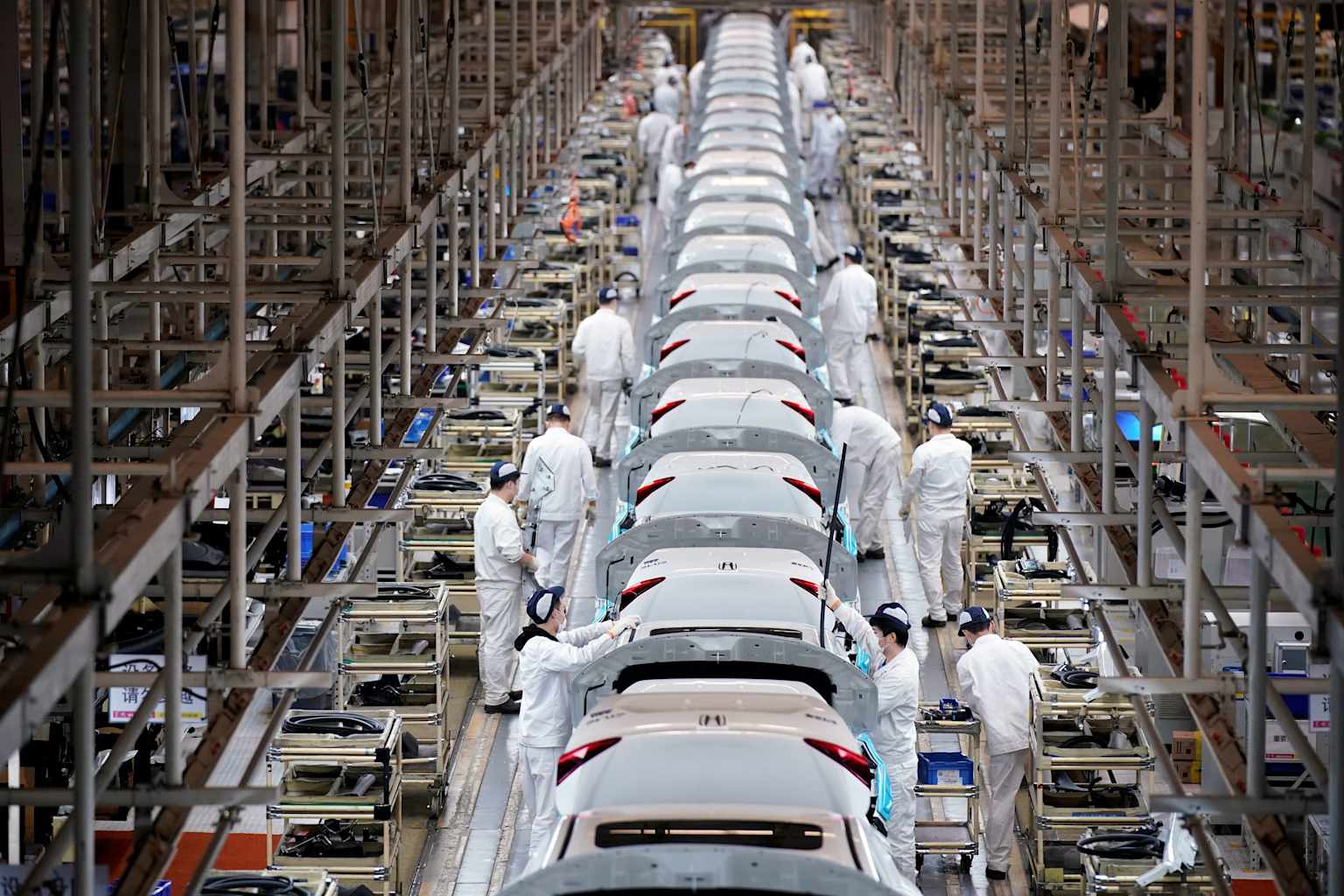
“It Has Never Been This Crazy”
In the southern manufacturing city of Foshan, Bryant Chen, a manager at vacuum cleaner factory RIMOO, told AFP that the price of plastic has risen roughly 50 percent since the war began. “Basically, we’ve been losing money on all our orders,” Chen said, citing rising costs across plastic, copper for motors, and raw materials in power cords. Two hours away in the plastic storage hub of Zhangmutou, trader Li Dong, who has been in the industry for two decades, described price fluctuations as the worst he has ever seen. “It has never been this crazy,” Li told AFP. The plastic pellets he sources for local phone case and electric vehicle battery factories swung wildly in March, triggering days of panic buying that jammed the small town’s roads.
China, the world’s largest crude oil importer, has been comparatively sheltered from fuel shortages thanks to strategic reserves and renewable energy capacity. But the closure of the Strait of Hormuz — through which roughly half of China’s energy imports normally pass — has cut the Middle East’s share of refined products reaching China from 41 percent in 2025 to less than 1 percent in May, according to data cited by the Chosun Biz. The disruption has hit plastic production even harder than the bottlenecks caused by the Covid-19 pandemic, Li said.
Ripple Effects Across the Supply Chain
The strain extends well beyond plastics. Chinese exporters have been raising prices on goods ranging from swimwear to air conditioners, with customs data showing sharp year-on-year price increases across more than a dozen consumer goods categories in March. Syringes saw increases of up to 20 percent, while synthetic-fiber apparel rose by low- to mid-single-digit percentages. China’s producer price index turned positive in March for the first time since September 2022, climbing 0.5 percent year-on-year, according to the National Bureau of Statistics.
For exporters, the Middle East crisis has compounded the hangover from trade tensions with the United States. One garment factory owner on the outskirts of Guangzhou told AFP that fabric costs had risen 10 to 20 percent due to the war, while overseas clients remain hesitant to place orders. “As a result, everyone is in a mutual state of decline,” the factory boss said.
Outlook Uncertain as War Drags On
Despite the headwinds, China’s official manufacturing purchasing managers’ index held at 50.3 in April, staying just above the expansion threshold, buoyed by resilient export demand. But analysts caution that cost pressures will linger. “The problem is all of these costs will filter through the supply chains for the rest of the year,” supply chain consultant Cameron Johnson told AFP. “The longer it goes on, that kind of cascades into much bigger problems, particularly if there’s not enough oil in general to run stuff.”