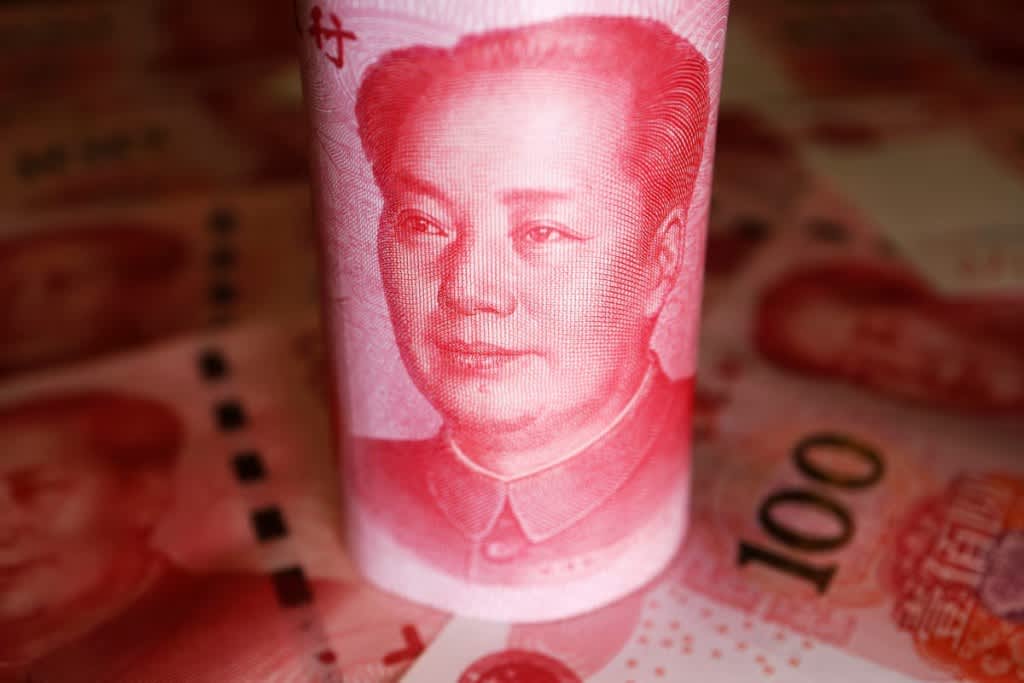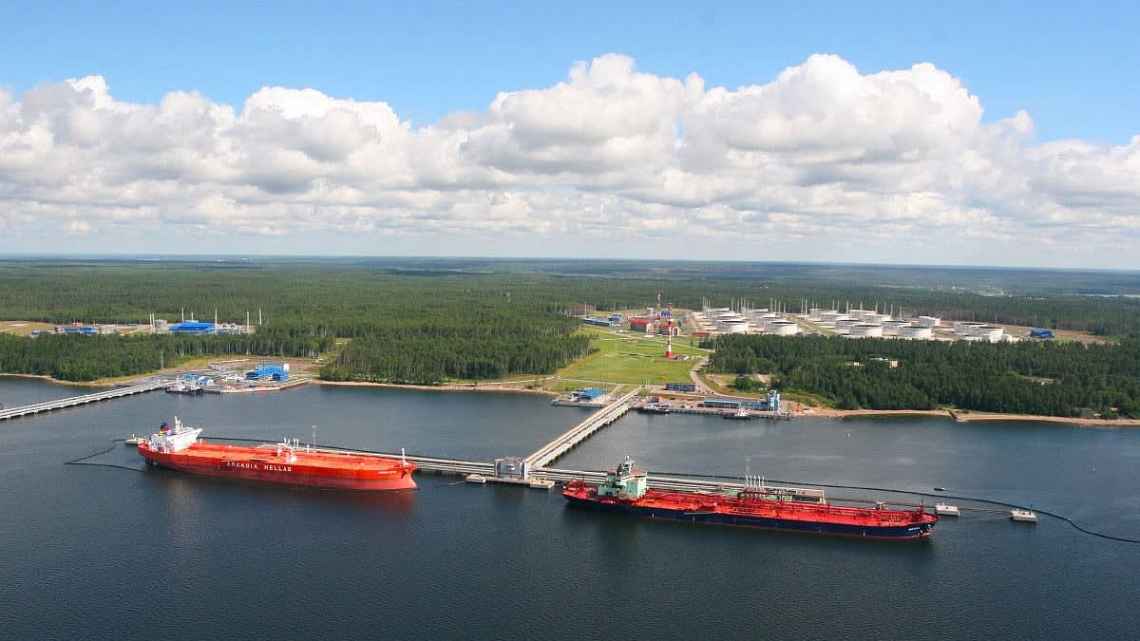
Oil prices climbed back above $100 a barrel on Friday as renewed clashes between the United States and Iran in the Strait of Hormuz jolted markets, even as Asian governments deployed emergency fiscal and monetary measures to shield their economies from a crisis now in its third month.

Thailand Approves Emergency Borrowing
Thailand’s cabinet on May 5 approved an emergency decree authorizing the Ministry of Finance to borrow 400 billion baht ($12.2 billion) to cushion households and businesses from soaring energy costs, according to Reuters. The funds will be split evenly: 200 billion baht for immediate relief to low- and middle-income earners, farmers, and small businesses, and 200 billion baht to accelerate the country’s transition to renewable energy.
Prime Minister Anutin Charnvirakul framed the move as essential to preventing stagflation. “The government’s duty is to prevent Thailand’s economy from slipping into high inflation and a slowdown,” he said. The government confirmed that inflation had reached a 38-month high of 3.89 percent. A Fiscal Policy Office model estimated the borrowing would add 0.8 percent to GDP in 2026 while keeping the public debt-to-GDP ratio below its 70 percent ceiling. The decree is scheduled for parliamentary submission on May 14.
Japan Fires Currency ‘Bazooka’ Twice
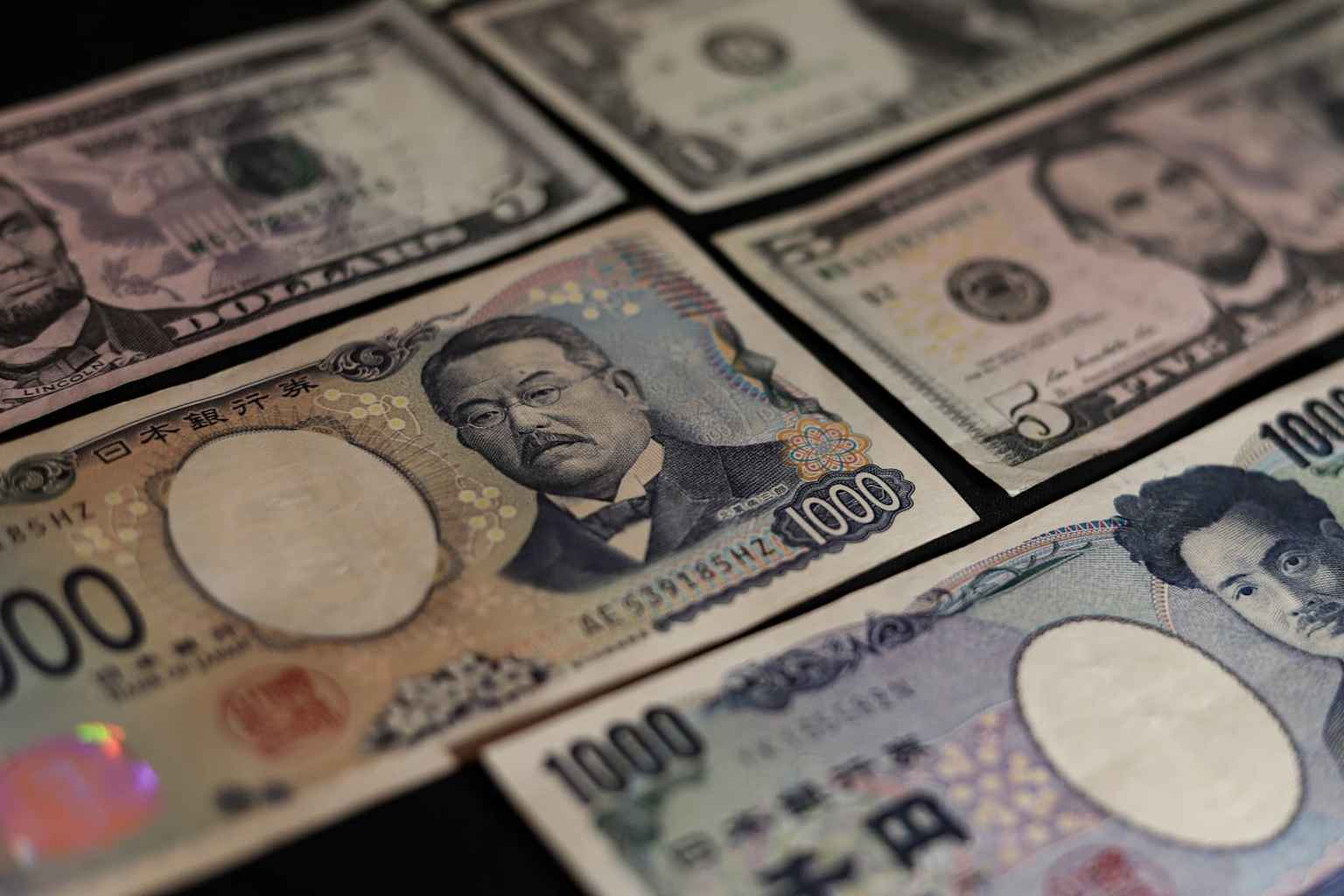
Japan has intervened in foreign exchange markets on at least two occasions since late April, spending a combined estimated $65 billion to prop up the yen as elevated oil import costs pushed the currency toward multi-decade lows. The first operation on April 30 cost roughly $34.5 billion after the yen breached 160 per dollar. A follow-up intervention this week likely used another $30 billion, according to Bloomberg.
Vice Finance Minister Atsushi Mimura told reporters Thursday that authorities are “targeting all angles” regarding intervention and monitoring markets “with a sense of urgency”. Under IMF rules, Japan can conduct only two more three-day intervention sessions before November without losing its free-floating currency classification.
Oil Elevated, but AI Rally Lifts Stocks
Brent crude rose about 1.5 percent to $101.56 per barrel on Friday morning in Asia after U.S. and Iranian forces exchanged fire in the Strait of Hormuz, dampening hopes of an imminent ceasefire. The benchmark had fallen roughly 10 percent earlier in the week on optimism over a potential deal, but remained far above the approximately $70 level seen before the war began in February.
Despite the oil shock, Asian equity markets headed for strong weekly gains as AI-driven demand lifted chipmakers, Reuters reported. South Korea’s Kospi and Japan’s Nikkei 225 hovered near record highs, buoyed by blockbuster spending plans from U.S. technology giants that have channeled investment into the region’s semiconductor makers. President Trump, meanwhile, said he expected a deal with Iran “very quickly,” though Tehran said Washington’s latest proposal remained “still under review”.