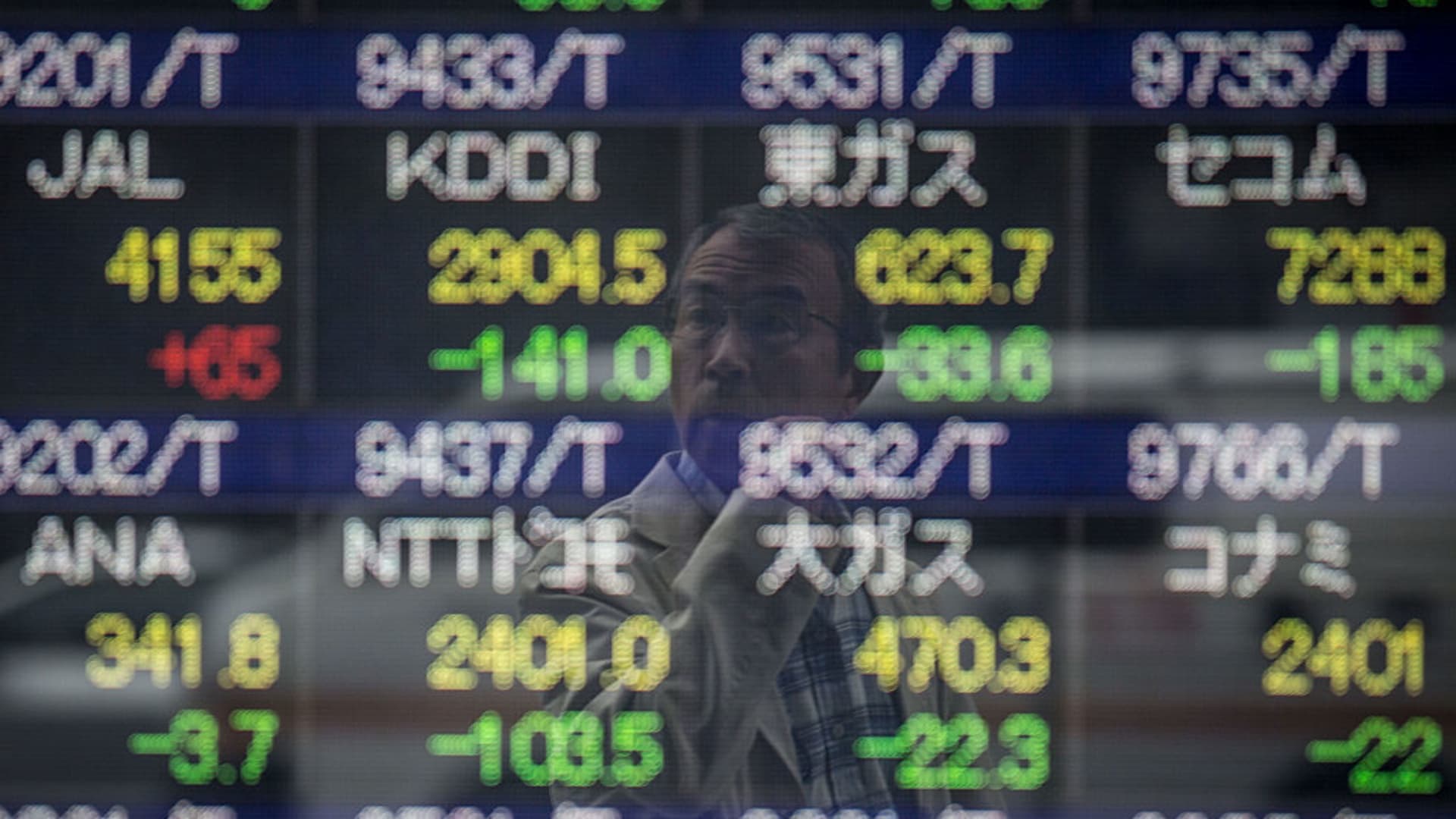
Japan’s Nikkei 225 surged past 61,000 for the first time on Thursday, May 7, as the Tokyo Stock Exchange reopened after the Golden Week holiday to a transformed global landscape. The benchmark rose 3.38% to an all-time high of 61,523.36 in early trading, according to Reuters, as Japanese investors rushed to catch up with a wave of risk appetite that had swept through world markets in their absence.

A Global Rally Fueled by Diplomacy
The catalyst was President Donald Trump’s announcement on Tuesday that he was pausing “Project Freedom,” the U.S. military operation to guide ships through the Strait of Hormuz, citing “great progress” toward “a Complete and Final Agreement” with Iran. “Project Freedom will be paused for a short period of time to see whether or not the Agreement can be finalized and signed,” Trump wrote on Truth Social.
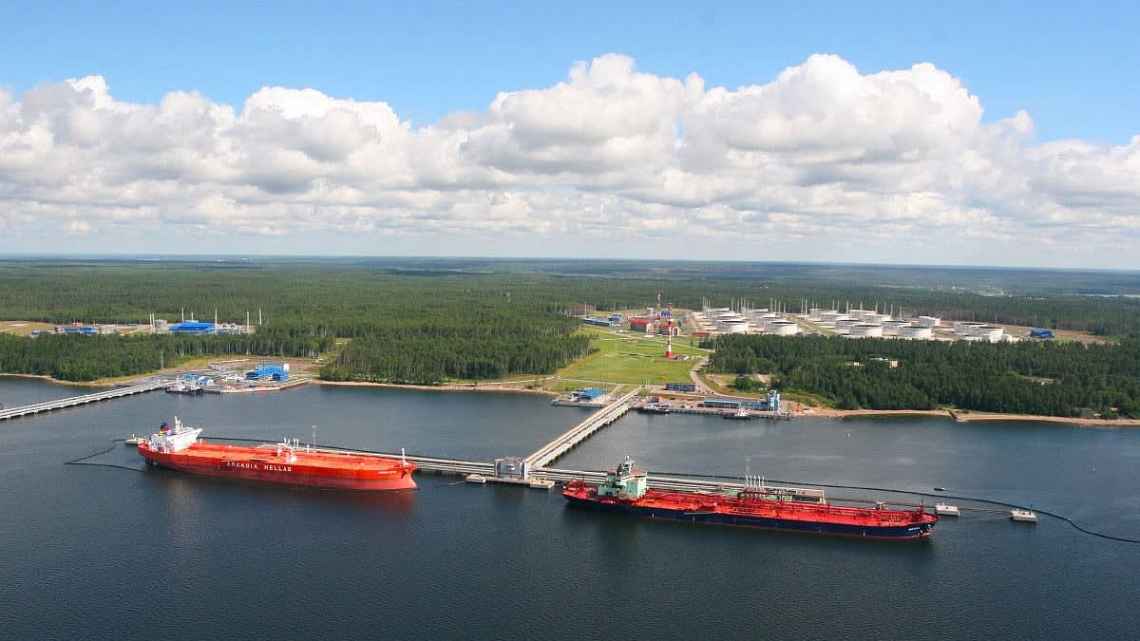
The prospect of a reopened Strait of Hormuz sent oil prices tumbling, with Brent crude falling 7.8% to $101.27 per barrel on Wednesday, according to the Associated Press. That drop acted as a tailwind for equity markets worldwide. The S&P 500 gained 105 points to close at a record 7,365, while the Nasdaq Composite rose 512 points to 25,838, also a new high. The Dow Jones Industrial Average closed up 612 points at 49,910.
Emerging Markets Lead the Charge
South Korea’s Kospi delivered the session’s most dramatic move, surging 6.5% on Wednesday to close at a record 7,384.56, breaking above 7,000 for the first time. The rally was driven by Samsung, whose shares leapt more than 15%, pushing the chipmaker’s market capitalization past $1 trillion as investors piled into AI-linked stocks. Overseas investors bought more than $2 billion of Kospi shares in a single session, according to Bloomberg.
The MSCI Emerging Markets Index also reached a record, rising to 1,699.48 with a five-day gain exceeding 5%. The broader emerging markets rally has been driven by a convergence of forces: declining oil prices easing inflation fears, AI-driven demand for Asian semiconductors, and the prospect of a resolution to the conflict that had disrupted Gulf shipping lanes since late February.
Risks Remain
Despite the euphoria, the path to a final deal remains uncertain. Trump warned late Wednesday that “if they don’t agree, the bombing starts, and it will be, sadly, at a much higher level and intensity than it was before”. Iran had yet to publicly respond to the terms, and just days earlier had fired cruise missiles at the UAE in the first attack since the April ceasefire began. China’s hosting of Iran’s foreign minister on Wednesday added a further diplomatic dimension, with Beijing positioning itself as an intermediary just days before Trump’s planned visit.