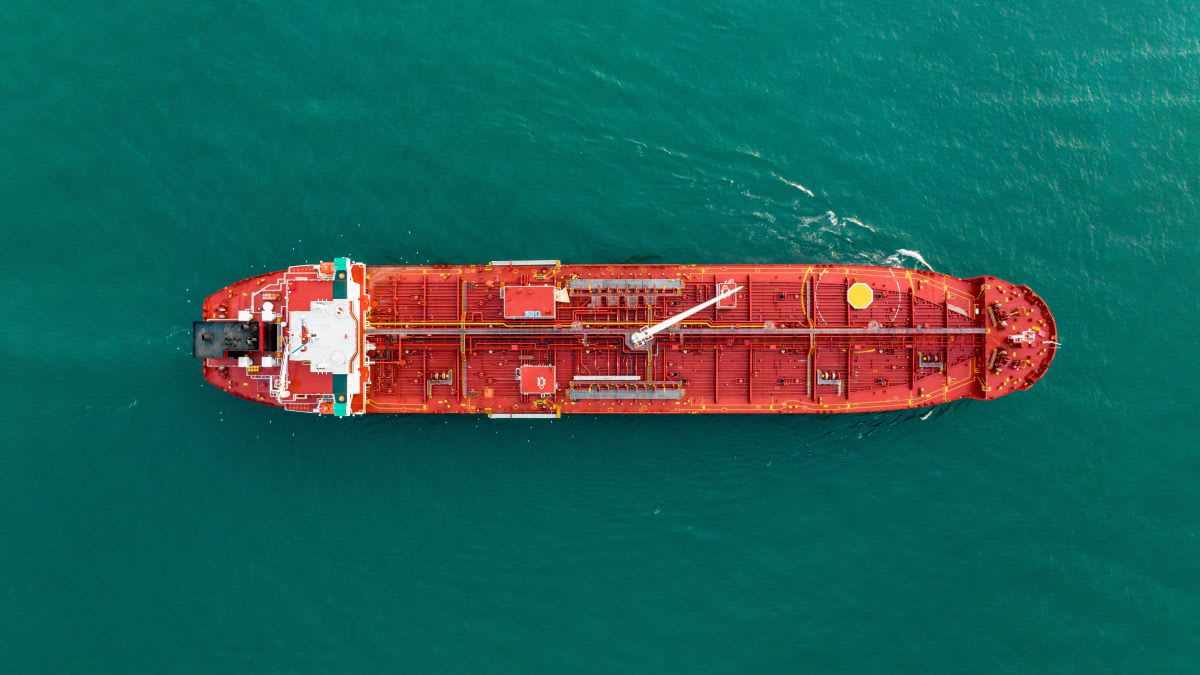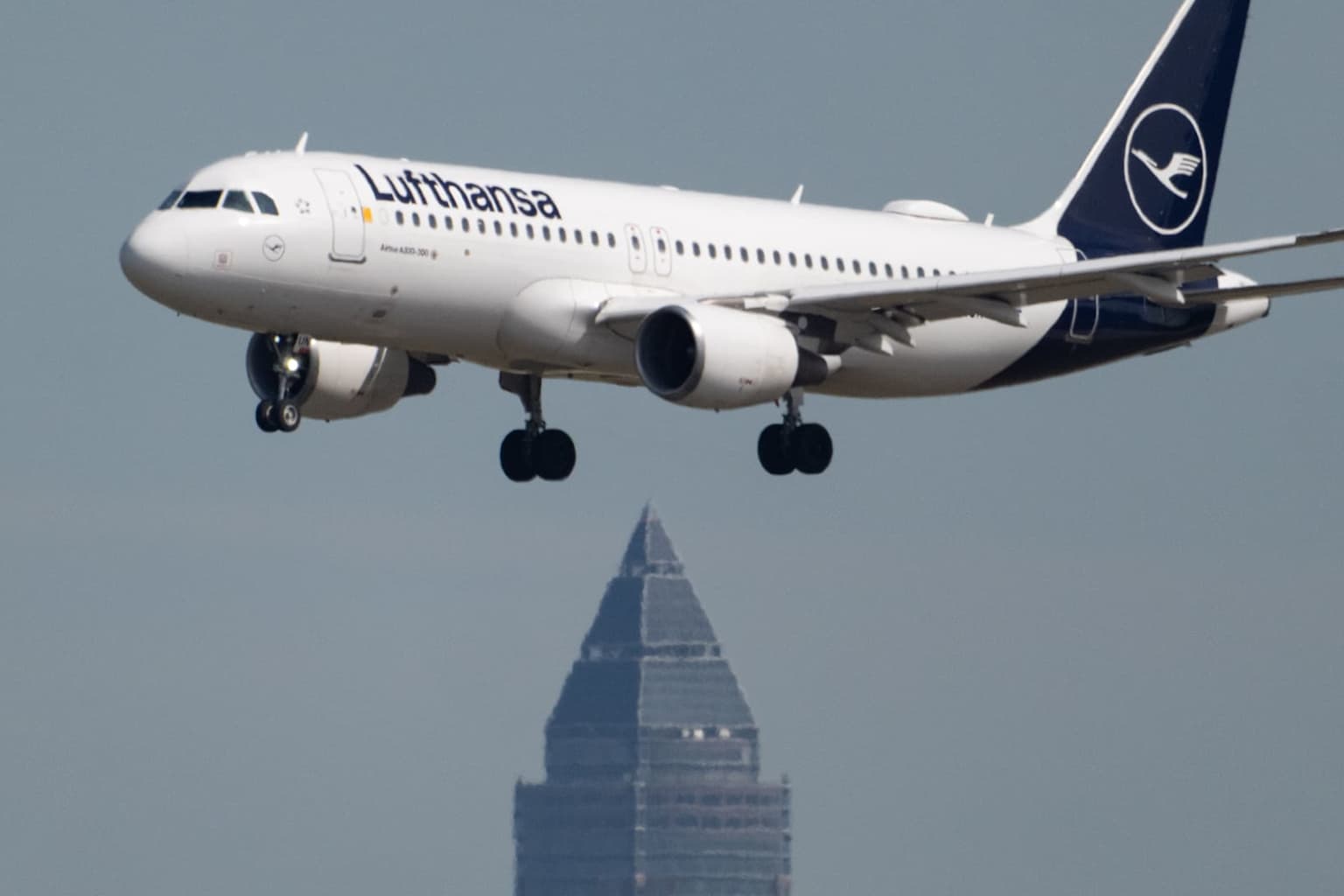
Lufthansa said Wednesday that the Iran war will push its 2026 fuel costs €1.7 billion higher than previously estimated, bringing its total fuel bill to approximately €8.9 billion as the near-total closure of the Strait of Hormuz continues to send jet fuel prices surging across Europe.
Record Revenue, Mounting Costs
In its first-quarter earnings report released on May 7, Europe’s largest airline group said the additional burden was “driven almost entirely by the price escalation since the start of the war in Iran,” with finance chief Till Streichert calling fuel “the single most relevant cost headwind for the remainder of the year.” The revised fuel estimate represents a nearly 20 percent increase over earlier projections.
The airline, which also operates Eurowings and Swiss, had already cut 20,000 short-haul flights through October to conserve approximately 40,000 metric tons of jet fuel. Jet fuel prices have more than doubled since the conflict began with U.S. and Israeli strikes on Iran on February 28, according to Lufthansa, while the International Air Transport Association reported that prices soared 103 percent by the end of March compared with the previous month.
Shell Profits Surge, but Pearl GTL Remains Offline
Shell reported first-quarter adjusted earnings of $6.9 billion on Thursday, beating analyst expectations of $6.36 billion and reaching a two-year high, boosted by elevated oil prices linked to the Middle East conflict. The company raised its dividend by 5 percent.
However, Shell’s Pearl gas-to-liquids facility in Qatar — one of its most profitable assets — has remained offline since an Iranian missile strike on the Ras Laffan Industrial City on March 18 damaged the plant. Shell trimmed its integrated gas production outlook for the quarter to 880,000–920,000 barrels of oil equivalent per day, down from a prior estimate of 920,000–980,000.
Russia Reaps Windfall
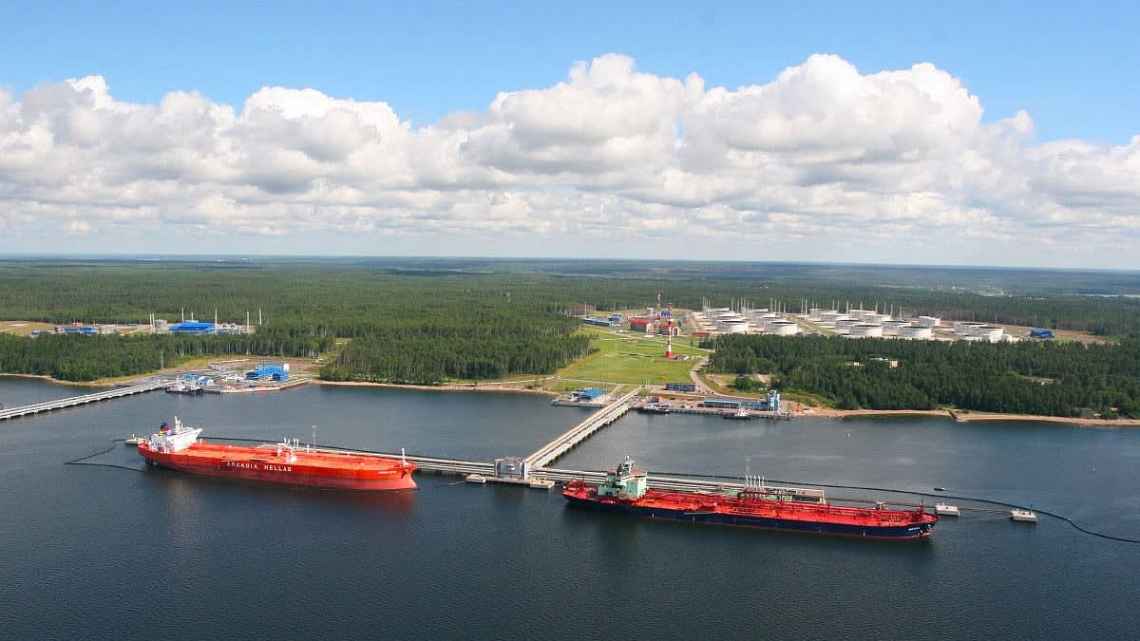
Russia, meanwhile, has emerged as a clear financial beneficiary of the supply shock. According to Bloomberg, Russian producers paid 707.1 billion rubles ($9.5 billion) in federal oil taxes in April — nearly double March’s 327 billion rubles and the highest since October — as crude traded near $100 per barrel. Total Russian oil and gas budget revenues reached approximately 856 billion rubles for the month, a 38.7 percent increase over March.
The windfall underscores how the conflict’s disruption of roughly a fifth of global fuel shipments through the Strait of Hormuz is reshaping energy economics — enriching petrostates while squeezing airlines and consumers across fuel-importing nations.