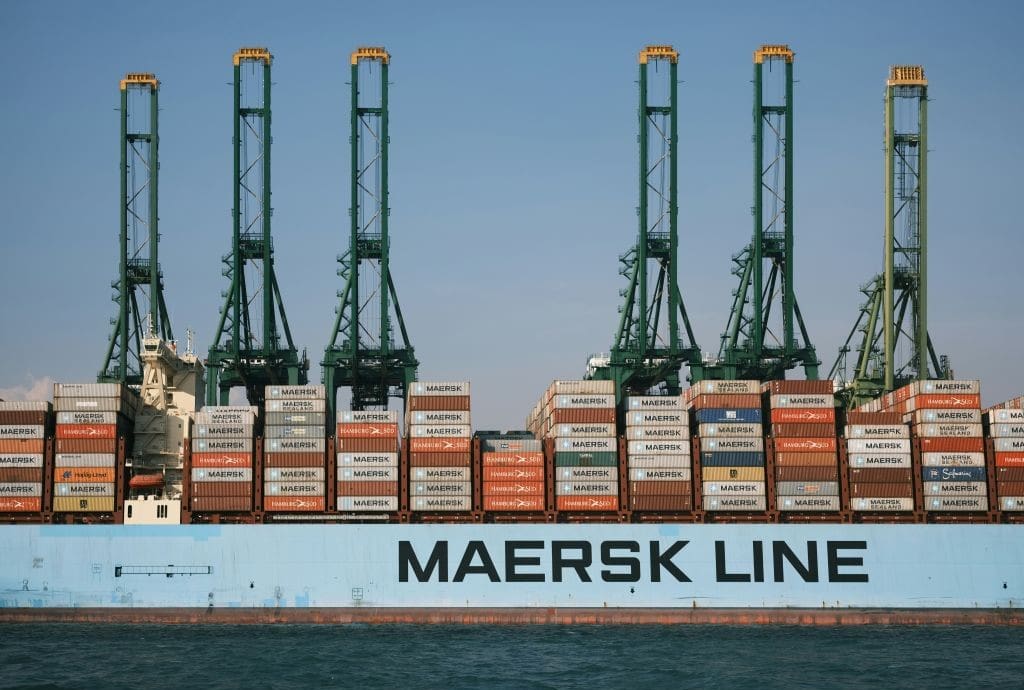
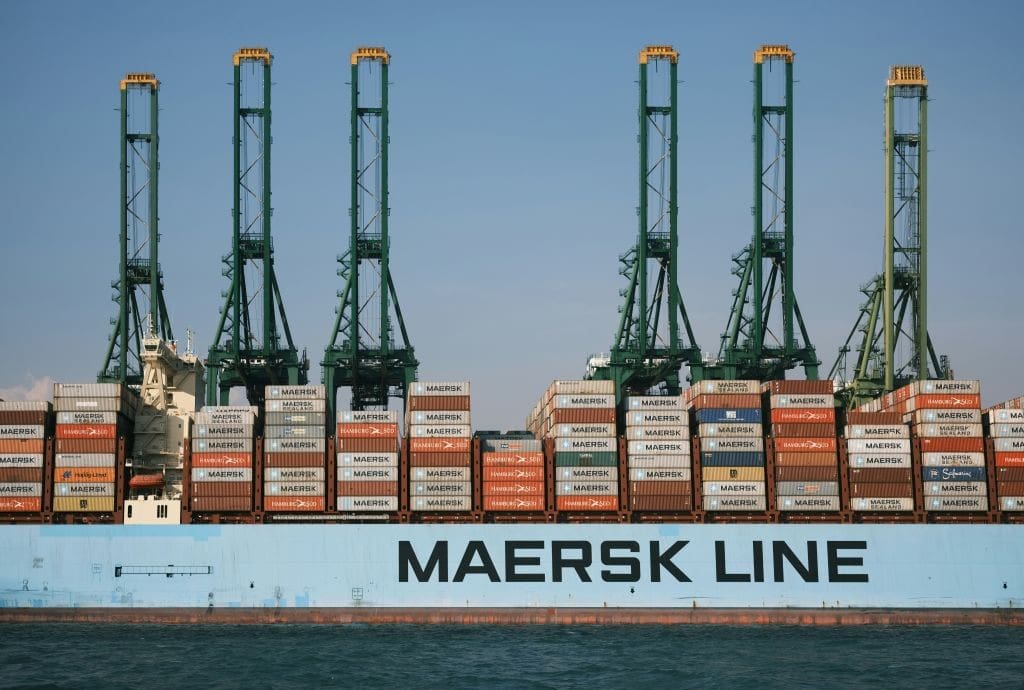
A.P. Moller-Maersk reported first-quarter 2026 earnings on Wednesday that beat analyst expectations, but the shipping giant warned that the ongoing Iran conflict continues to impose severe costs on its operations and the broader global supply chain. The company maintained its full-year guidance, with underlying EBITDA of $1.73 billion for the January-March period exceeding the $1.67 billion consensus estimate compiled by FactSet.
CEO Vincent Clerc said the company intends to fully pass rising costs on to customers, a position he has held since the early days of the conflict. Maersk recently raised some freight charges by 27%, citing an “unprecedented cost environment” created by the closure of the Strait of Hormuz, through which about 20% of global fuel passes.
A Shipping Industry Upended
The U.S.-Israel military campaign against Iran, which began in late February 2026, has upended global shipping routes. Maersk suspended all vessel crossings at the Strait of Hormuz and joined rivals Hapag-Lloyd and CMA CGM in diverting services around Africa. Oil prices surged to nearly $120 per barrel before easing, though crude remains well above pre-conflict levels.
“Given the volatility of the current energy market, further adjustments may be required as conditions evolve,” Maersk said in a recent customer advisory. The added fuel costs, longer routing distances, and war risk surcharges have compounded pressure on an ocean segment already struggling with industry overcapacity. Maersk’s ocean division posted an EBIT loss of $153 million in Q4 2025, its first quarterly loss in years, after freight rates fell 23% year-over-year.
Costs Flowing to Consumers
Clerc has been direct about the consequences for end consumers. In an interview with the BBC in March, he said Maersk operates systems that automatically transfer fuel price changes to customers. “So what it means is that ultimately, in this case, these increases will pass to our customers and will pass on to the consumers,” he said. The increase works out to roughly $200 per standard 20-foot container, translating to a 15% to 20% rise in certain freight charges depending on the route.
A brief ceasefire between the U.S. and Iran in early April raised hopes for a resumption of Strait of Hormuz transits, but Maersk said the agreement did not provide enough security certainty to resume normal operations. Analysts at Jyske Bank noted that because the conflict began two months into the first quarter, its full financial impact would be more visible in Q2 results.
Outlook Remains Uncertain
Maersk entered 2026 already bracing for a difficult year, guiding for EBITDA of $4.5 billion to $7 billion amid overcapacity and falling freight rates from the reopening of Red Sea routes. The Iran conflict has complicated that picture, simultaneously lifting rates through disruption while adding enormous fuel and operational costs. The company’s 2026 guidance, set before the war, assumed container market volume growth of 2% to 4%. Whether that holds depends in part on the trajectory of a conflict whose economic ripple effects, Maersk has cautioned, will persist for months to come.