Shipping giant Maersk warned Thursday that the Iran war has added nearly $500 million per month to its operating costs and cautioned that the global energy crisis will persist well beyond any peace agreement, sending its shares down more than 7% in their steepest single-day decline in over a year.

Surging Costs Rattle Investors
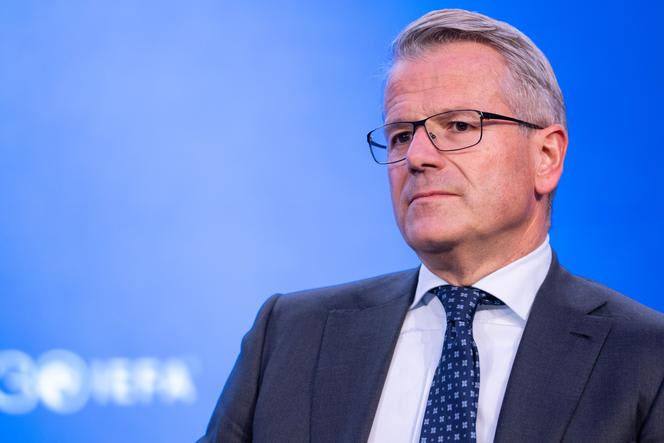
CEO Vincent Clerc told reporters in Copenhagen that bunker fuel prices had surged from around $600 to just under $1,000 per metric ton since the conflict began in late February, adding roughly 3 billion Danish crowns per month to the company’s cost base. While Maersk’s first-quarter EBITDA of $1.73 billion beat analyst estimates of $1.66 billion, it marked a sharp decline from $2.71 billion a year earlier.
“The energy crisis does not go away the day peace comes,” Clerc said at a press conference. “Oil companies I speak to expect it to last at minimum several more months, possibly many more months.”
Shares fell 7% by midday in Copenhagen, with the stock on track for its worst session in more than a year, as investors weighed the prospect of prolonged cost pressure against a glut of new shipping capacity. In an interview with CNBC, Clerc described the conflict as a “new wake-up call” for international commerce and said the company would seek to pass higher costs on to customers.
A Recovery Measured in Months
The Strait of Hormuz, through which roughly 20% of global oil trade flows, has been effectively closed since the conflict between the United States and Iran escalated on February 28. Although a ceasefire was announced on April 8 and negotiations toward a fuller agreement continue, ship traffic through the waterway remains far below pre-war levels.
Even a full reopening would not provide immediate relief. S&P Global has estimated it could take months to restore the 14.2 million barrels per day of supply that has been disrupted. The International Energy Agency warned earlier this month that production and logistics could take months or possibly years to return to pre-war levels.
Goldman Sachs warned in a note this week that global oil inventories have fallen to about 101 days of expected demand — near an eight-year low — and could drop to 98 days by the end of May. Refined product stocks have depleted even faster, falling to 45 days of demand from 50 days before the war began.
Oil Majors Echo the Warning
Major energy companies have reinforced Maersk’s message. Shell reported that its oil and gas production fell 4% in the first quarter due to the conflict’s impact on its Qatar operations and said output would decline further in the second quarter. In March, Shell CEO Wael Sawan warned that Europe could be next to face supply shortages.
Reuters reported in early March that Exxon and TotalEnergies faced production risks from the war, with some fields in the region forced to shut down. EnQuest, a North Sea-focused producer, told CNBC that excess capacity would likely be absent “for years”.
Maersk maintained its full-year guidance, projecting global container volume growth of 2% to 4%, but Clerc’s closing message was blunt: “We can only do so much to reduce costs, and we must focus on passing these expenses onto customers, as the scale of the cost increase is beyond what we can absorb.”