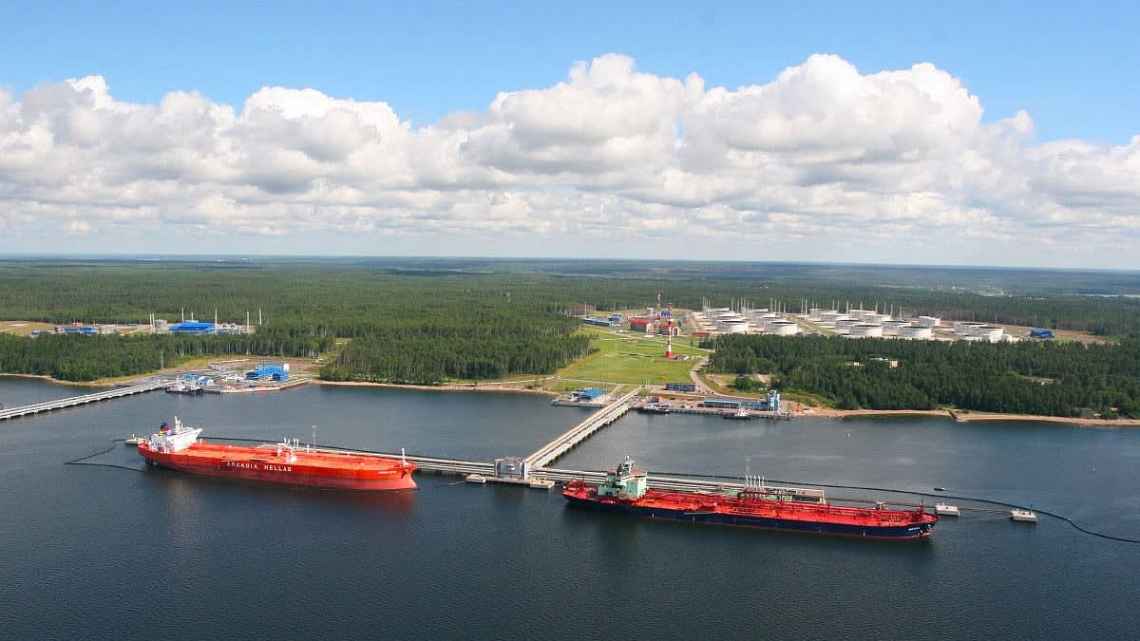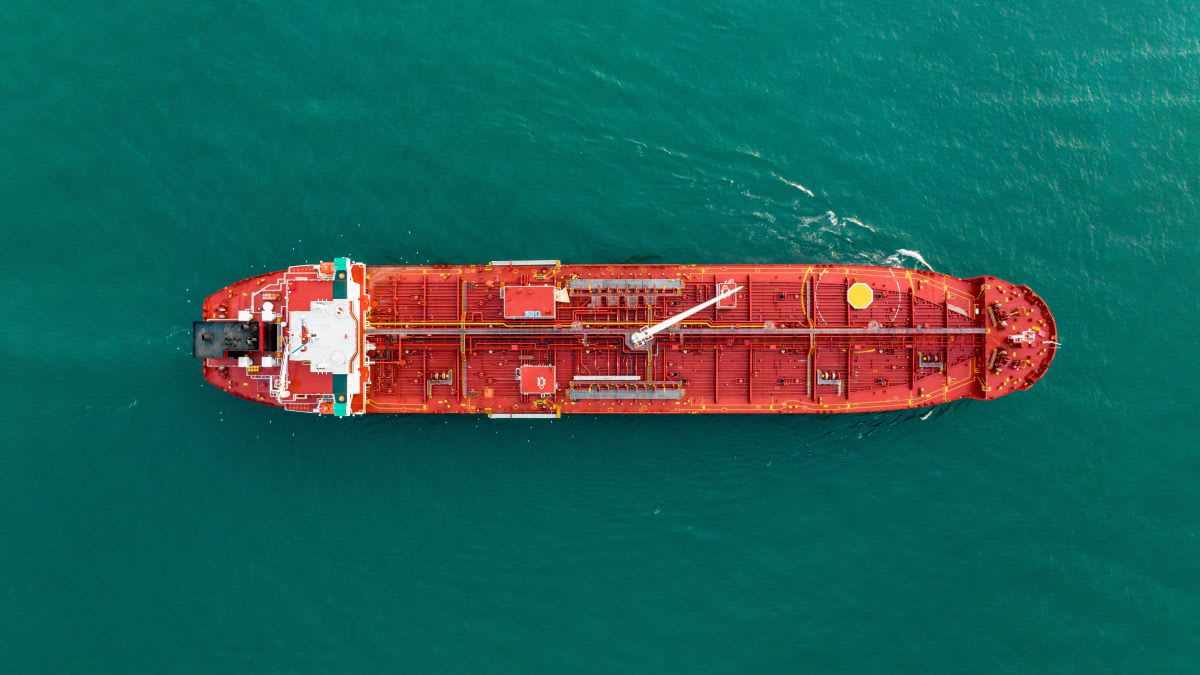
The economic toll of the U.S.-Iran conflict is cascading through the global economy, with American airlines hemorrhaging billions on jet fuel, a major shipping line warning of $500 million in added monthly costs, and independent grocers from Canada to Southeast Asia struggling under surging transport expenses.

Airlines Face Historic Fuel Shock
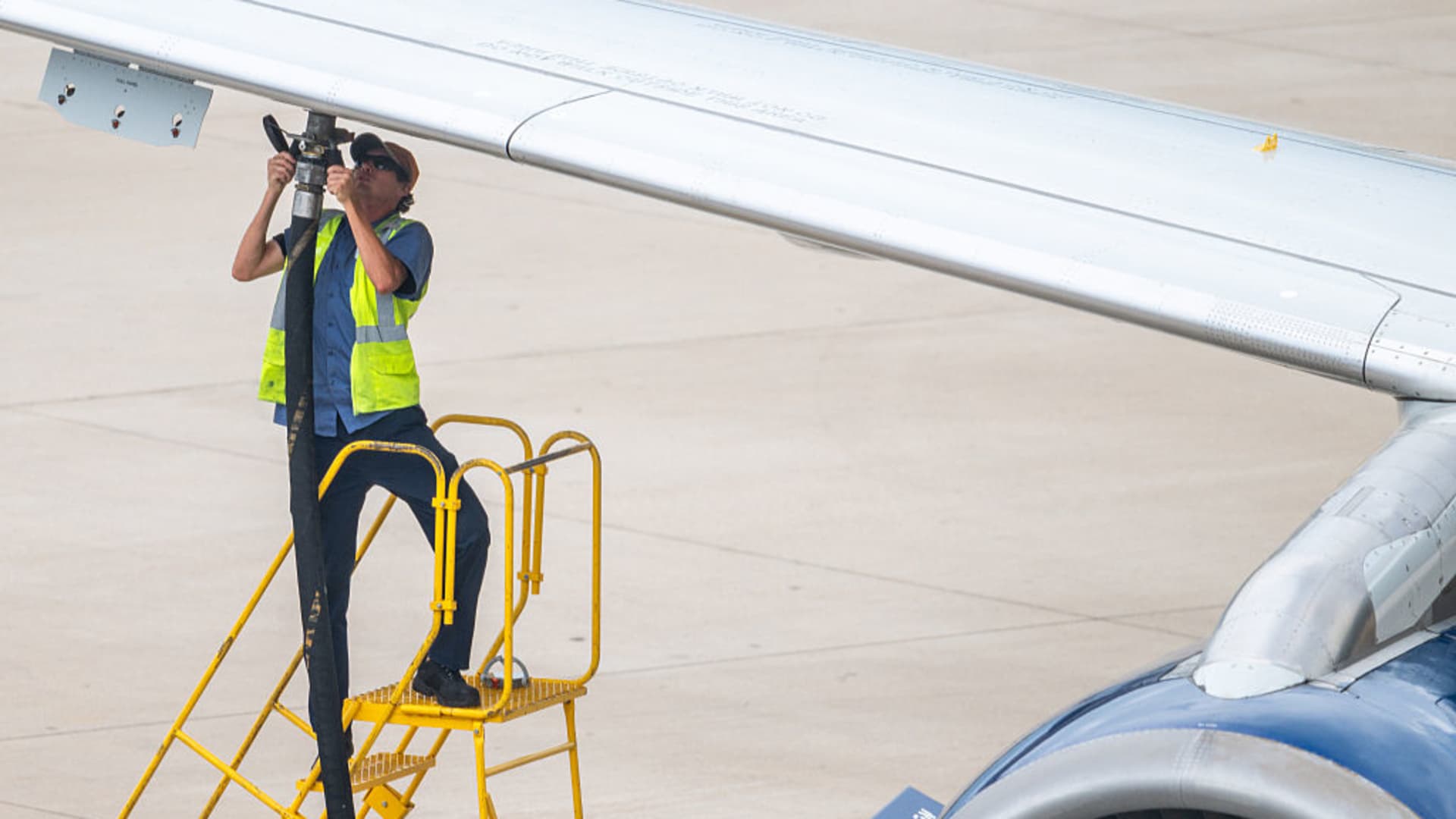
U.S. airlines spent $5.06 billion on jet fuel in March, a 56.4% increase from February’s $3.23 billion, according to Department of Transportation data released Wednesday. The spike followed the onset of U.S.-Israeli military actions against Iran on February 28, which effectively closed the Strait of Hormuz and disrupted roughly 20% of global oil supplies.
American Airlines told investors its fuel bill will rise by $4 billion in 2026 and slashed its profit forecast. Delta Air Lines announced this week it would eliminate food and beverage service on short-haul flights starting May 19. Spirit Airlines ceased all operations last weekend, with a company lawyer telling a bankruptcy court that surging jet fuel prices left “no remaining way out”. Approximately 17,000 Spirit employees lost their jobs.
Jet fuel prices have roughly doubled since the war began, jumping from $2.50 per gallon on February 27 to nearly $5 in some regions. Airlines have responded by cutting routes, raising fares, and imposing fuel surcharges globally.
Shipping and Small Business Pain Spreads Worldwide
Maersk CEO Vincent Clerc said Thursday that the energy shock is costing the company approximately $500 million in additional expenses per month, costs he said would be passed directly to customers. “There’s only so much we can do to cut costs,” Clerc told CNBC following the release of first-quarter results.
Independent grocers in Canada have reported delivery surcharges rising by as much as 50%, according to CTV News. Major suppliers including Maple Leaf Foods have imposed fuel surcharges on grocery partners. Gary Sands, vice president of the Canadian Federation of Independent Grocers, warned that with overall margins at just 2%, “independent grocers will have to relay these added costs to consumers”.
Gas Tax Relief Efforts as Pump Prices Soar
The national average price of gasoline reached $4.54 per gallon this week, the highest since July 2022. Kentucky Governor Andy Beshear signed an executive order to cut the state’s gas tax by 10 cents per gallon beginning May 11, with Attorney General Russell Coleman agreeing to sign the order before it takes effect.
However, experts questioned the move’s effectiveness. Carl Davis of the Institute on Taxation and Economic Policy noted that because the tax is collected at the wholesale level, “some of the tax cut will get to drivers. It won’t happen right away, and not all of it will reach drivers”.
Oil prices dipped Wednesday on indications of possible progress toward a U.S.-Iran agreement, but analysts caution that prices will remain elevated given ongoing supply disruptions.