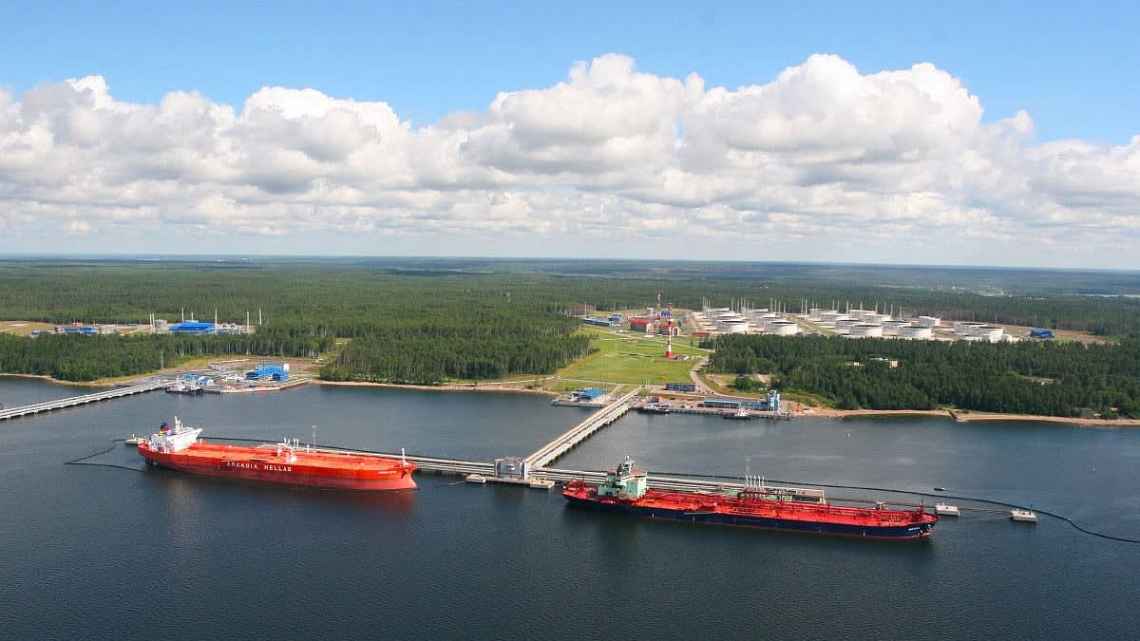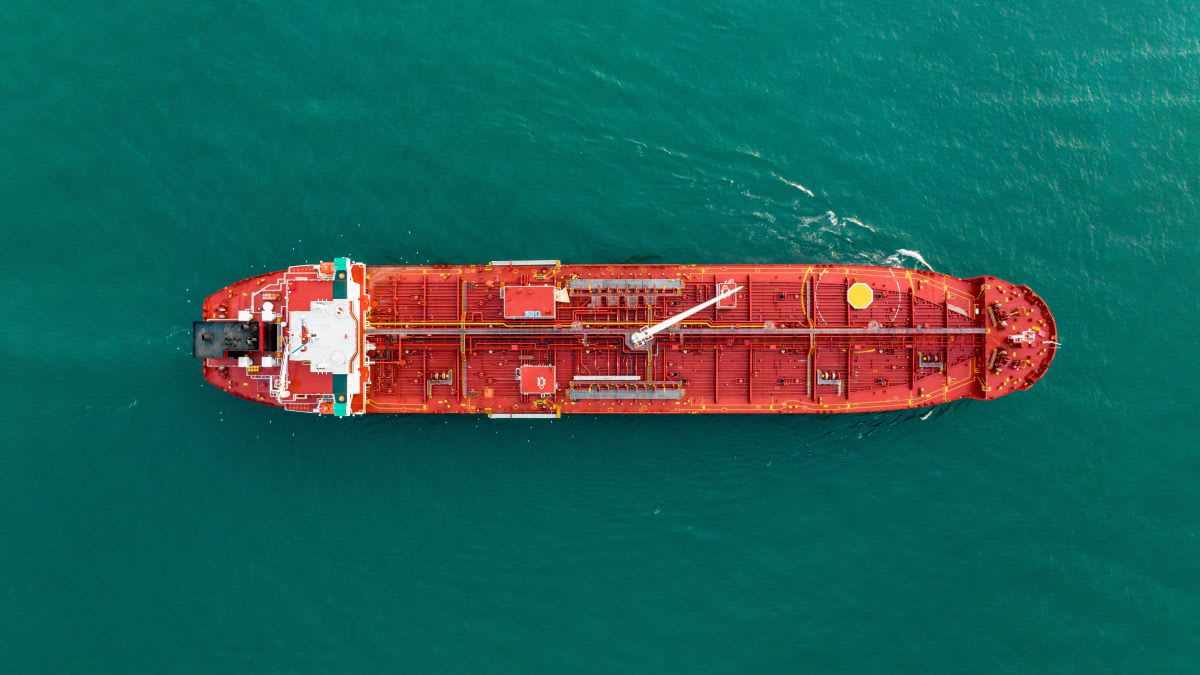
What began as emergency logistics workarounds after Iran’s closure of the Strait of Hormuz in late February has evolved into a lasting reshaping of Middle East trade infrastructure. Trucking platforms, shipping lines, and port operators are now operating at scale across Saudi Arabia, Oman, and Egypt, with industry leaders increasingly viewing these overland corridors not as temporary fixes but as permanent features of regional commerce.
From Emergency to Infrastructure
UAE-based trucking platform Trukker deployed more than 500 trucks in the early days of the conflict to support inland land-bridge operations, reporting a 30% increase in road shipments during March based on full truckloads, CEO Gaurav Biswas said. The company, whose clients include Emirates Global Aluminium, DP World, and Unilever, has maintained continuous flows of petrochemicals, metals, food, and consumer products.
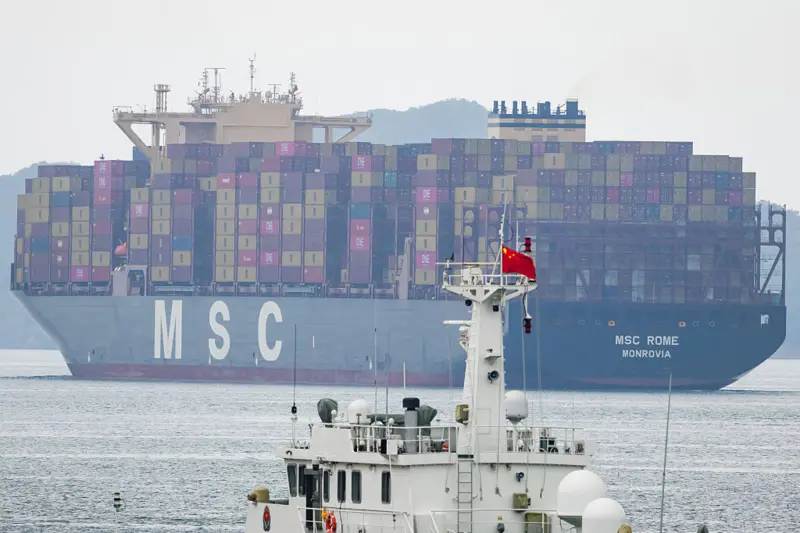
Hapag-Lloyd established ground transport routes across Saudi Arabia and Oman connecting Bahrain, Kuwait, the UAE, and Qatar, while Maersk published advisories spelling out land-based cargo solutions across the region. MSC, the world’s largest container shipping line, announced on May 5 that it will launch the Europe-Red Sea-Middle East Express on May 10, a hybrid sea-land service built around a multimodal land-bridge model routing containers through Saudi Arabia’s Red Sea ports overland to Dammam, bypassing Hormuz entirely.
Surging Costs and Shifting Ports
The transition has come at a price. Trukker moved from contract pricing to daily spot rates, with trucking rates climbing as much as 120% in the UAE and 70% in Saudi Arabia due to higher fuel costs, constrained port capacity, and a shift to long-haul trips. The UAE’s Khorfakkan Port handled six times its previous monthly container volume as eastern harbors stretched beyond capacity.
Ports like Jeddah on Saudi Arabia’s Red Sea coast and Oman’s Sohar and Salalah have absorbed cargo flows previously routed through Jebel Ali, which saw ship arrivals dry up through March and April according to IMF Portwatch data. A functioning Europe-Egypt-GCC corridor has also emerged, with trailers arriving at Damietta, moving overland to Safaga, then crossing by ferry to Neom before continuing by road into Gulf markets.
A Portfolio of Corridors
Hapag-Lloyd reopened Upper Gulf bookings on May 4 using third-party feeder services that avoid the Strait entirely, routing cargo via Sharjah as a transshipment hub. Yet industry analysts say the broader shift is structural. “The crisis has made visible what was previously hidden: in an interconnected world, resilience is not a luxury; it is the entry ticket to lasting growth,” Wolfgang Lehmacher, former head of supply chain and transport industries at the World Economic Forum, told EnterpriseAM.
The central question is no longer whether Gulf states can build fallback routes quickly enough to survive, but whether these systems become permanent features of Middle East trade — a portfolio of corridors replacing dependence on a single chokepoint.