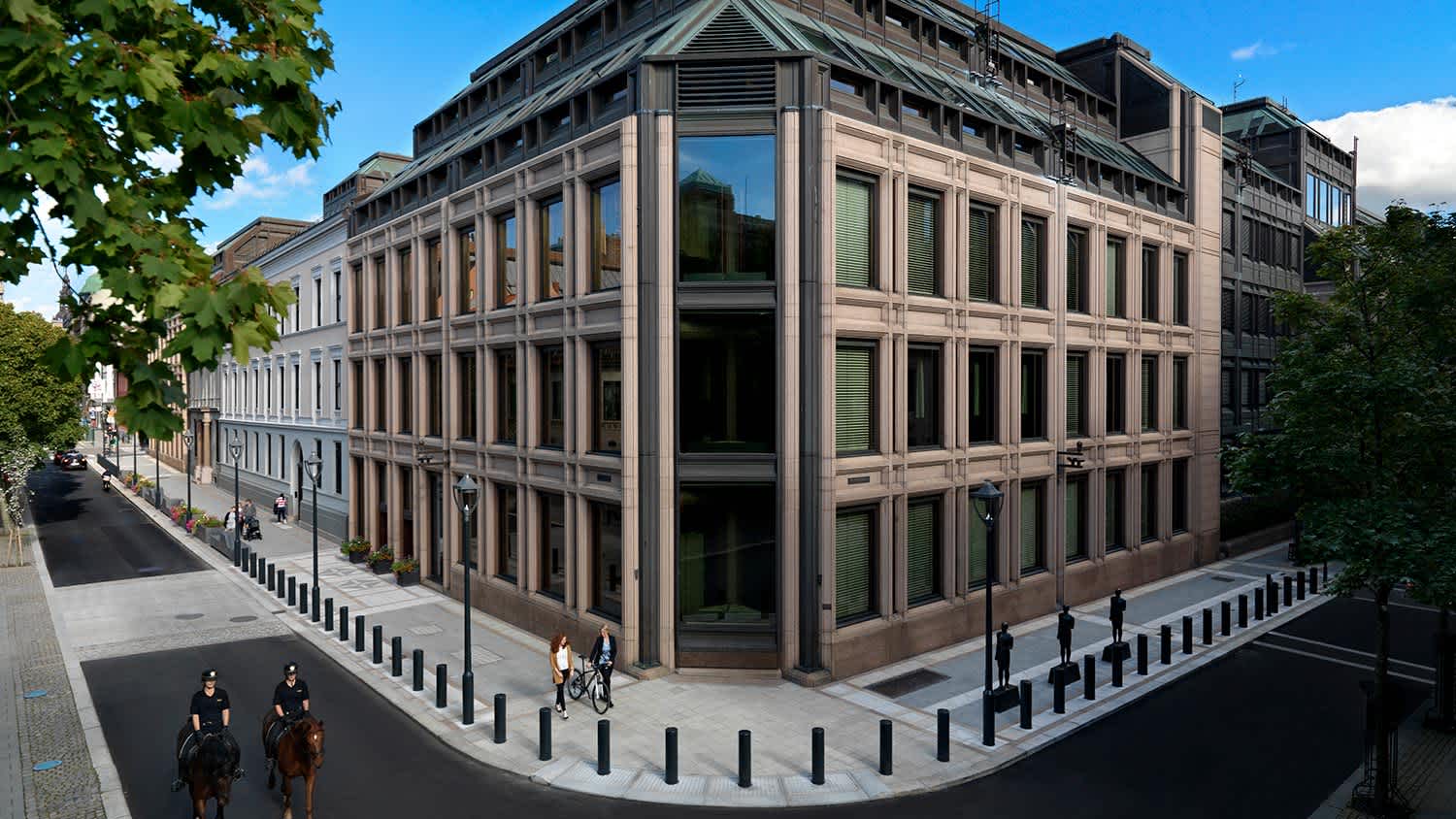
The war in Iran has broadly frozen the global monetary easing cycle that characterized much of 2025, with major central banks opting to hold rates steady through April as energy-driven inflation pressures and market volatility forced policymakers into a wait-and-see stance. Norway’s Norges Bank underscored the shift on Thursday by raising its policy rate to 4.25%, becoming one of the first developed-market central banks to actively tighten in response to the conflict.

A Wave of Holds
In the final week of April, six central banks overseeing the world’s most heavily traded currencies delivered rate decisions within 72 hours — and none cut. The Federal Reserve held its benchmark rate at 3.5% to 3.75% on April 29, its third consecutive pause after three cuts in late 2025. The European Central Bank kept its key rates unchanged on April 30, warning that the conflict was “fuelling an energy-led rise” in euro-area inflation. The Bank of England maintained Bank Rate at 3.75% on the same day, with one member voting for a hike.
The Bank of Japan, Bank of Canada, and Brazil’s central bank also met during the week. According to Reuters, the conflict has “stymied an easing push” that had been underway across both advanced and emerging economies.
Norway Breaks the Mold
Norges Bank’s decision on Thursday to raise rates from 4% to 4.25% had been well-telegraphed but still marked a dramatic reversal. As recently as December 2025, the bank’s rate path implied further cuts; by March, Governor Ida Wolden Bache said a hike would “likely be necessary at one of the forthcoming monetary policy meetings,” citing inflation that has remained above its 2% target for several years.
Core inflation in Norway stood at 3.0% year-on-year in March, while wage growth projections were revised higher. ING economists had flagged a May hike as their baseline, noting that Norway’s inflation concerns are “broad-based, not just limited to the energy price shock”. The move makes Norway one of the few G10 economies to tighten policy since the conflict began in late February.
A Stagflation Shadow
The backdrop is a classic supply shock dilemma. Tehran’s disruption of the Strait of Hormuz — a conduit for a large share of global oil supply — has pushed energy prices sharply higher, feeding into headline inflation across economies while simultaneously threatening growth. Asian central banks face an additional challenge: capital outflows driven by a rush toward the safe-haven dollar.
For the Fed, the conflict creates “conflicting” pressures on its dual mandate, as New York Fed President John Williams acknowledged in March — “potentially increasing inflation while possibly hindering global economic expansion”. Markets are now pricing no further Fed moves through early 2027, a stark contrast to expectations just months ago of continued easing.
With Kevin Warsh set to succeed Jerome Powell as Fed chair in mid-June, and Norges Bank signaling further hikes may follow, the global rate landscape has tilted decisively from easing toward restraint — or outright tightening — for as long as the war persists.