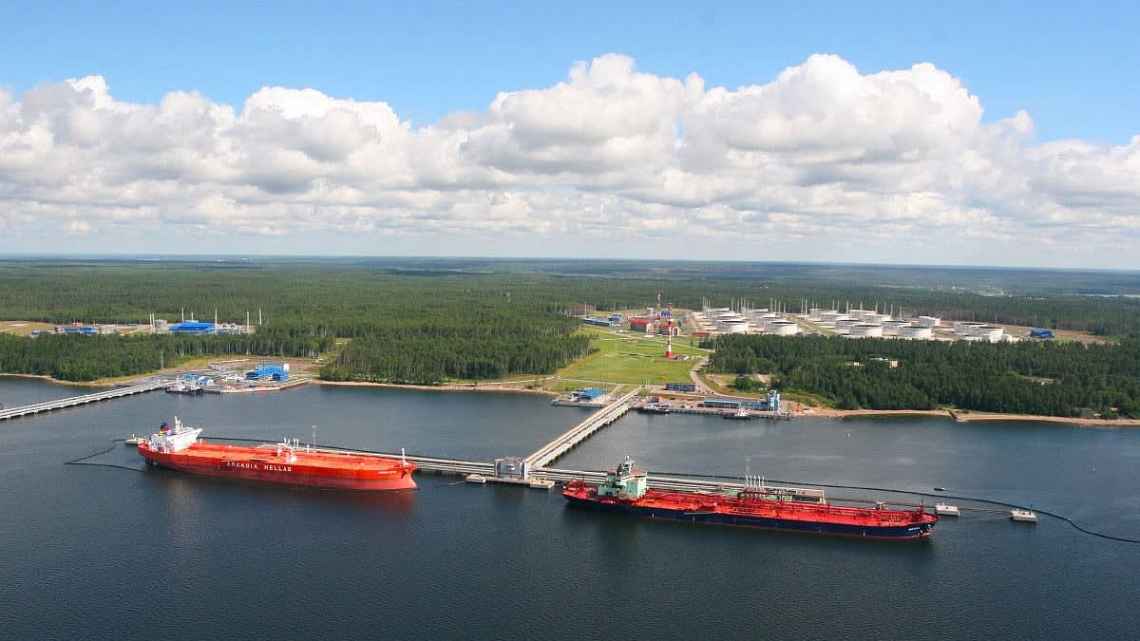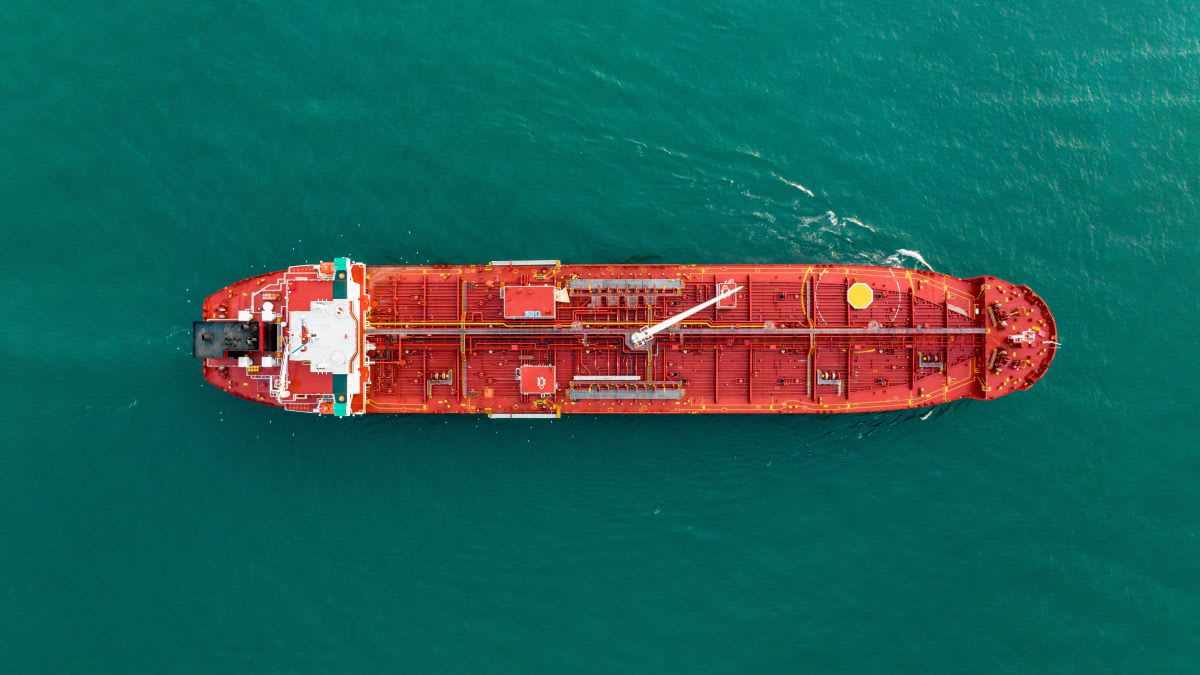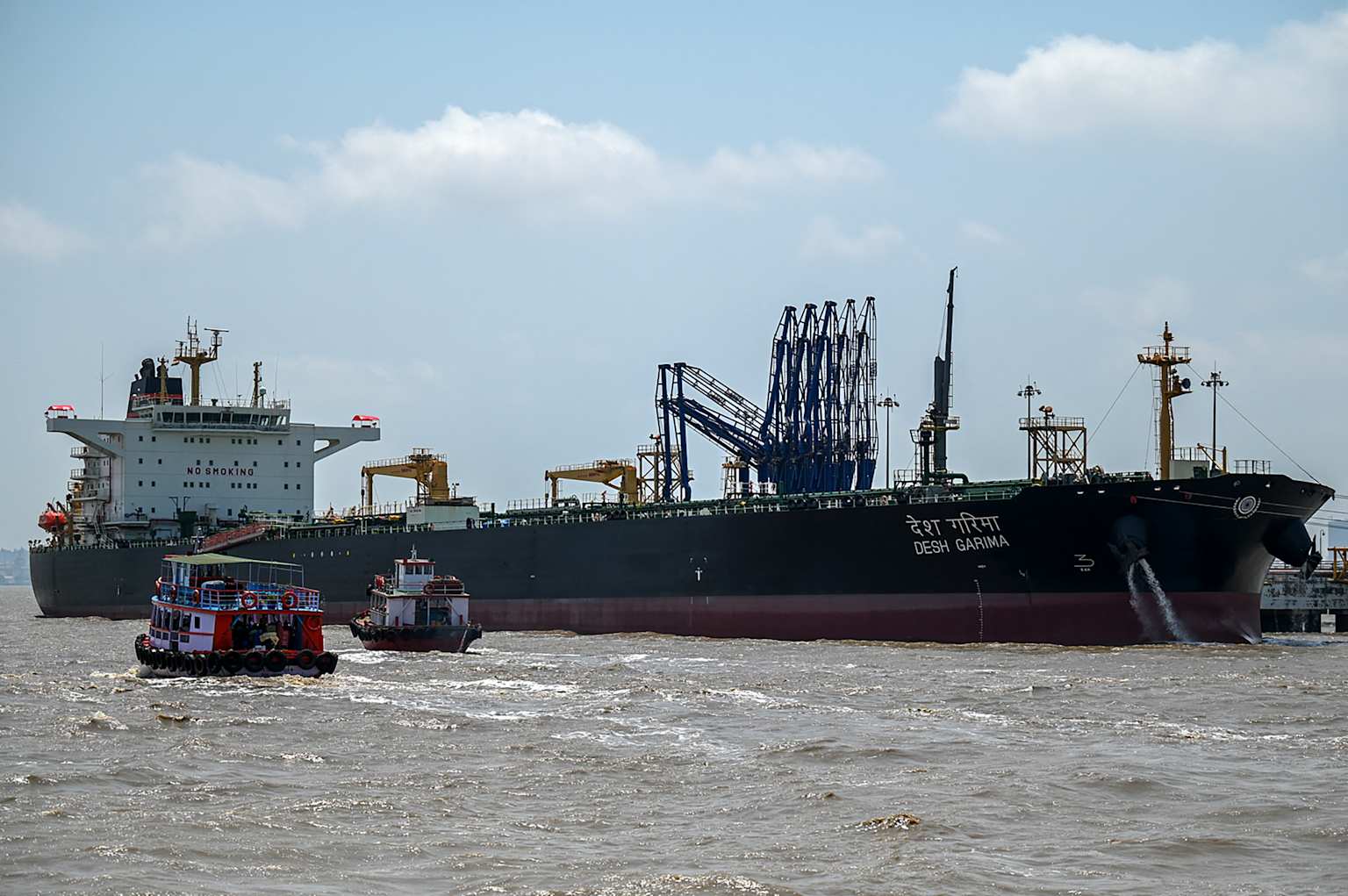
The Federal Reserve Bank of New York’s Global Supply Chain Pressure Index surged to 1.82 in April, the highest reading since July 2022, as the ongoing war in Iran continues to choke commerce through the Strait of Hormuz. The data, released Wednesday, marks a sharp escalation from the 0.68 recorded in March and underscores how the conflict is reverberating through manufacturing and shipping networks worldwide.
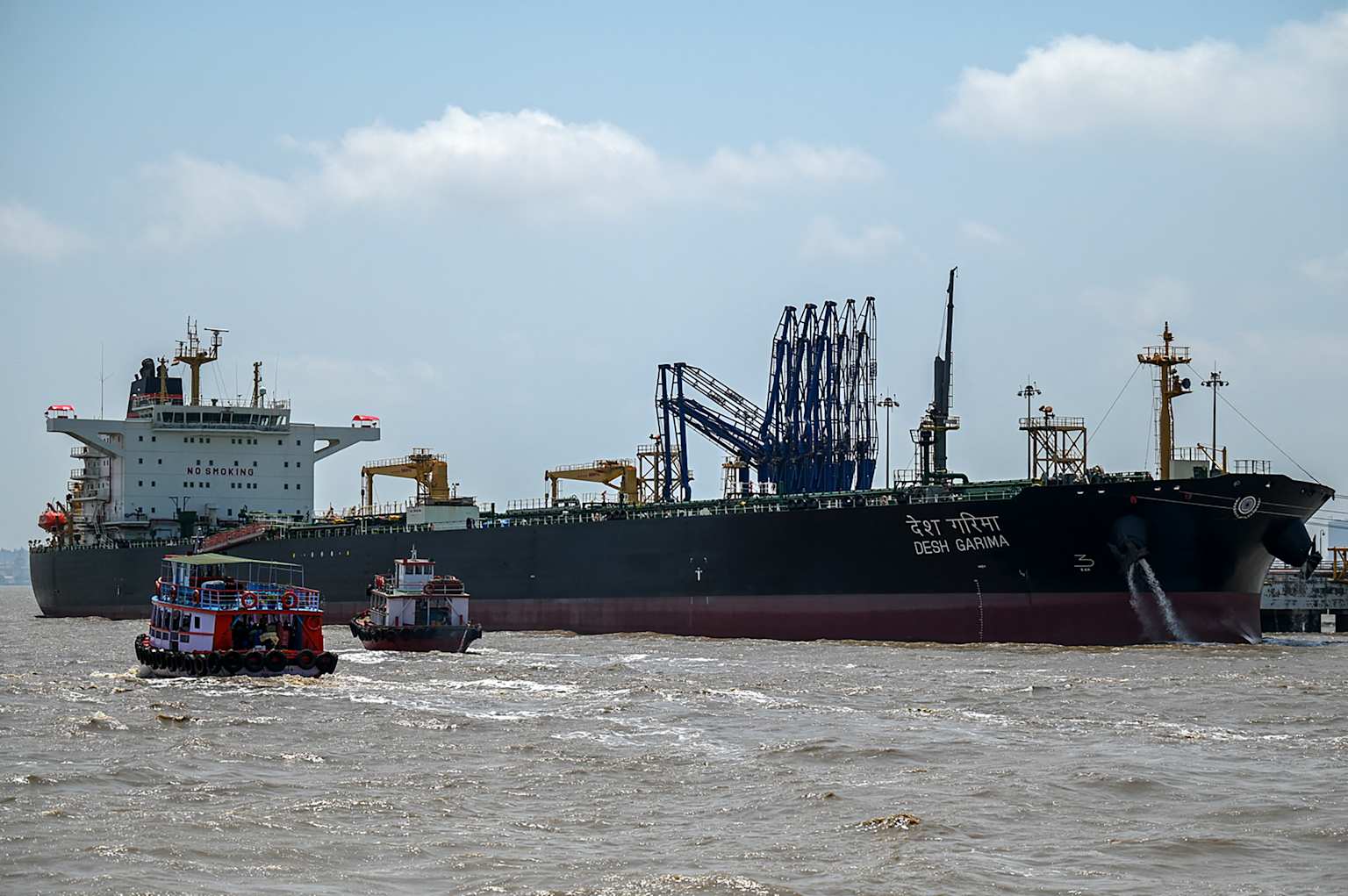
Germany’s Chemical Sector Hits Near Three-Year Low
Germany’s chemical industry, heavily reliant on Middle Eastern feedstocks, is bearing some of the heaviest damage. The Ifo Institute reported Wednesday that its business climate index for the sector fell to minus 29.0 in April, down from minus 25.1 in March — the lowest reading in nearly three years. Around one in three firms reported material shortages, and companies said they were planning production cuts while bracing for further price increases.
“The consequences of the military hostilities in the Middle East are hitting the already struggling chemical industry with full force,” Ifo industry expert Anna Wolf said in an earlier assessment of the sector’s deteriorating outlook. The broader Ifo Business Climate Index for all of Germany fell to 84.4 in April, its lowest since May 2020, with the institute stating bluntly that “the German economy is being hit hard by the Iran crisis”.
A Multidimensional Emergency
The Strait of Hormuz crisis has expanded well beyond energy markets. According to S&P Global, the closure has reduced crude oil flows from the Persian Gulf from roughly 21 million barrels per day to just 2 million. But fertilizers, methanol, and food shipments are also trapped. The World Economic Forum noted that the Arabian Gulf accounts for at least 20 percent of all seaborne fertilizer exports and 46 percent of global urea trade.
Adam Hanieh, director of the SOAS Middle East Institute at the University of London, warned that “about a third of the world’s basic fertilizers now pass through the Strait of Hormuz,” calling the converging food, energy, and climate pressures “a perfect storm”. The Food and Agriculture Organization has cautioned that a prolonged disruption could lead to a global food catastrophe.
U.S. consumer inflation data already reflects the strain. The Bureau of Labor Statistics reported that the Consumer Price Index rose 0.9 percent in March, driven by a 21.2 percent jump in gasoline prices, pushing year-over-year inflation to 3.3 percent. NY Fed surveys show household gas price expectations at their highest since March 2022.