Brent crude futures open interest has fallen sharply as traders retreat from a market whipsawed by the US-Iran conflict and the longest disruption to Strait of Hormuz shipping in modern history. The thinning participation is amplifying already extreme price swings in a benchmark that underpins trillions of dollars in global energy contracts, even as some players reap outsized profits from the chaos.

A Market Emptying Out
Trading volumes in near-term Brent contracts have been notably thin in recent sessions, a pattern that has persisted as the war’s unpredictable trajectory deters speculative and hedging activity alike. Bloomberg reported that Brent’s June contract saw low volumes during its final trading day on April 30, contributing to a wild session in which prices surged above $126 before retracing more than 3%. The CME Group noted in mid-April that volatility has been concentrated in nearer-term delivery contracts, while liquidity congregates further out on the curve in December futures.
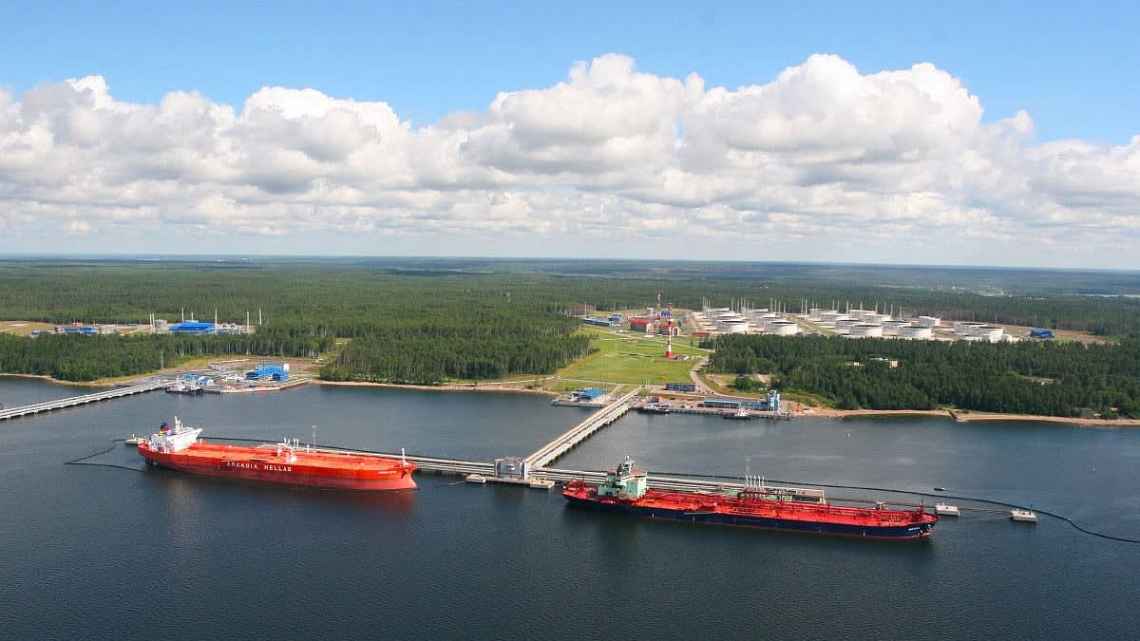
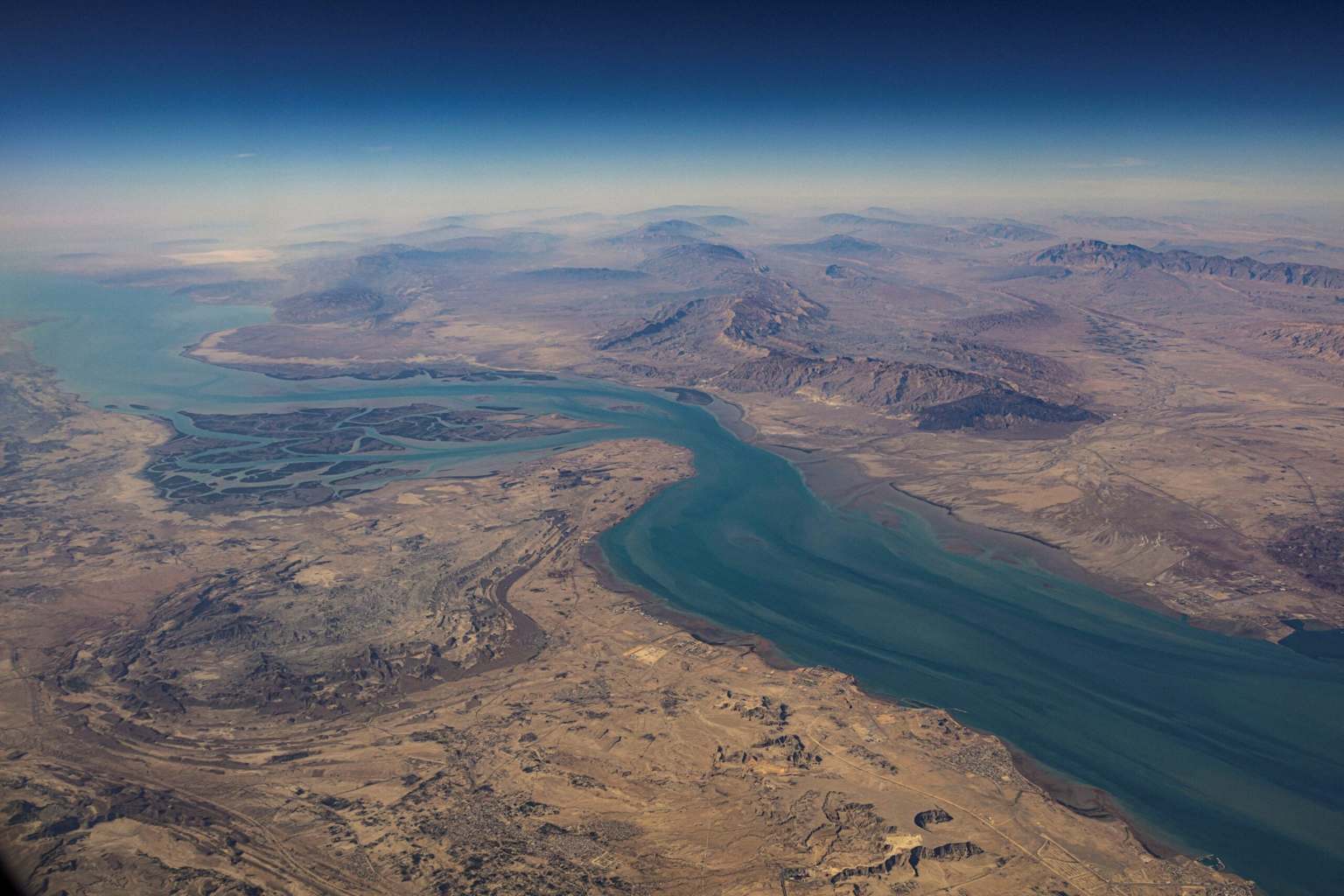
The exodus comes as the Strait of Hormuz — through which roughly 20% of global traded oil normally passes — has been largely blocked since Iran began restricting passage on February 28. Crossings fell by more than 90% from pre-conflict levels in the conflict’s early weeks, according to Kpler data, with cumulative output losses projected near 790 million barrels by the end of April. The International Energy Agency has called it the most significant supply shock in history.
Volatility Mints Winners
While shrinking liquidity poses systemic risk, it has been a boon for those with the scale and sophistication to trade through the turmoil. Shell reported first-quarter adjusted earnings of $6.92 billion on Wednesday, beating analyst expectations of $6.36 billion, with profits at its chemicals and products unit — which houses the oil trading desk — surging to $1.93 billion from $450 million a year earlier. The company raised its dividend by 5%, crediting war-driven market conditions for the windfall.
JPMorgan analysts have warned that the disruption now totals roughly 13 million barrels per day, nearly 15% of global demand, and that physical spot prices in Asia have surged far beyond futures benchmarks — reaching as high as $210 per barrel in Singapore.
No End in Sight
Prospects for reopening the strait remain uncertain. On Wednesday, crude prices plunged more than 7% after reports of a potential US-Iran deal, but the Trump administration sent mixed signals within hours — pausing its “Project Freedom” naval escort operation while simultaneously threatening to resume bombing if Iran does not agree to US terms. An American military aircraft struck an Iranian tanker attempting to breach the blockade on Thursday morning.
MST Financial analyst David Kavonic warned that “the market might be underestimating the potential duration for which the Strait could remain largely closed”. Until that changes, the oil market’s liquidity drought — and the violent price swings it enables — looks set to continue.