The war between the United States and Iran is sending deepening economic shockwaves across Asia even as Washington awaits Tehran’s response to its latest peace proposal, with oil inventories plunging at record speed and businesses across the region scrambling to weather a supply crisis that analysts warn will persist well beyond any ceasefire.
Oil Stocks Plunge Toward Eight-Year Low
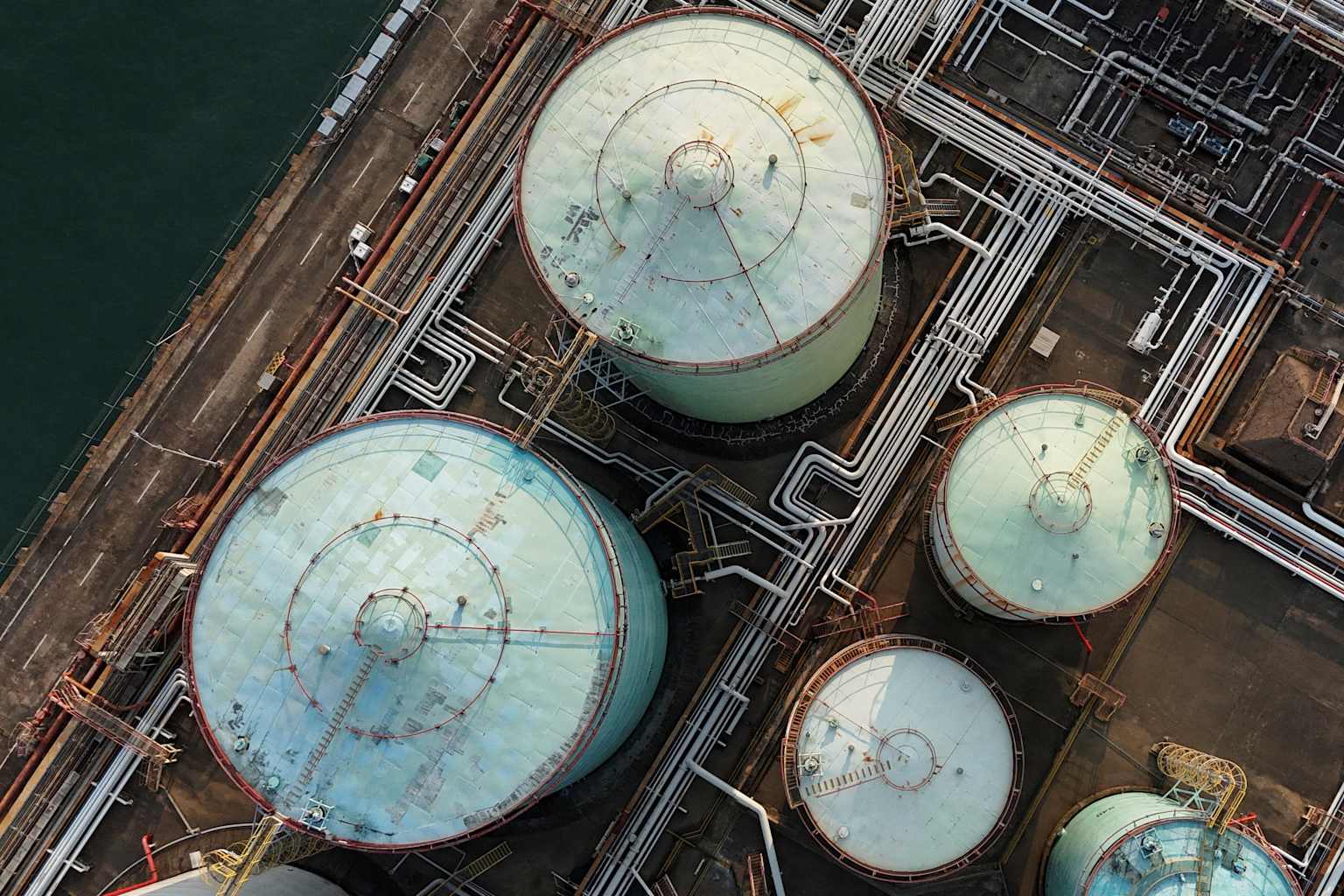
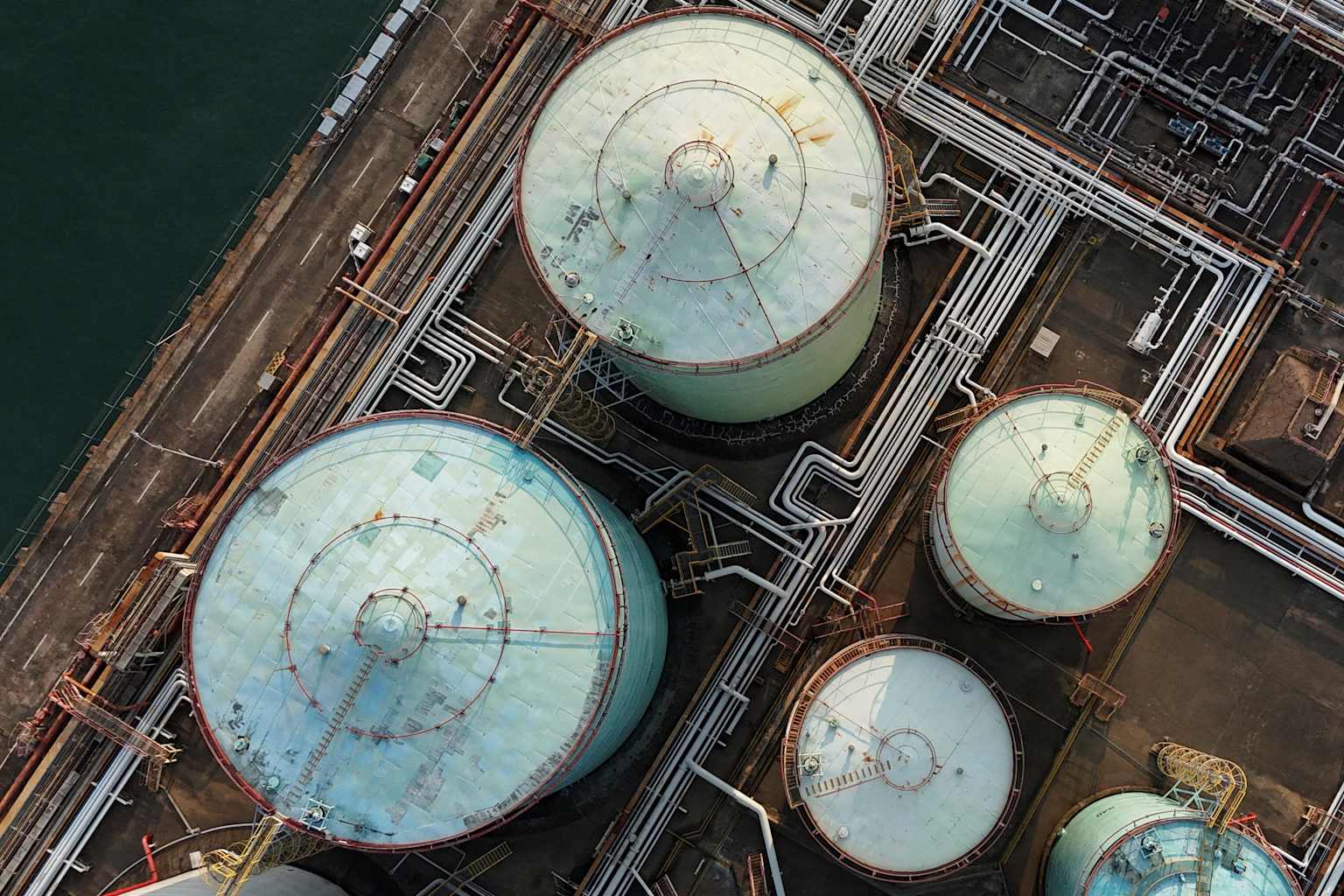
Global oil inventories are falling at an unprecedented pace despite a sharp contraction in demand, raising the prospect of physical fuel shortages in the weeks ahead. According to Reuters, Goldman Sachs warned this week that total global oil stocks have dropped to roughly 101 days of demand — the lowest in nearly eight years — and could fall to 98 days by the end of May. Refined product inventories have depleted even faster, dropping to about 45 days of demand from 50 days before the war began.
The Financial Times, citing data from S&P Global Energy, reported that global crude inventories fell by nearly 200 million barrels in April alone — a drawdown well beyond normal seasonal patterns. “Even if the conflict, and I hope so, will end in the month of May, we would exit the conflict with clearly some very low inventories,” one analyst told Reuters. Oil supplies are set to tighten further because it will take weeks for shipments to resume from the Middle East Gulf and reach refiners worldwide, even under a peace deal.
Chevron CEO Mike Wirth warned Monday that “we will start to see physical shortages,” adding that “economies are going to have to slow” as demand adjusts to reduced supply.
Asian Economies Bear the Brunt
Japan, heavily dependent on Middle Eastern energy imports, faces a rising tide of corporate distress. Teikoku Databank reported that bankruptcy cases rose for the fourth straight year to 10,425 in fiscal 2025 and forecast further increases from summer onward as the war squeezes profits. A government survey showed business sentiment plunged to 42.2 in March from 48.9 in February. Japanese consumers may begin to feel the impact on electricity and gas bills from around June, according to Trade Minister Ryosei Akazawa.
Southeast Asian banks are stress-testing their lending portfolios as the conflict weighs on the region. Nikkei Asia reported on Friday that the region’s three largest lenders, all Singapore-based, have been scrutinizing their loan books for signs of strain from rising energy costs and slowing demand. Thailand’s cabinet approved emergency borrowing of up to 400 billion baht ($12.2 billion) to cushion the impact on households. Southeast Asian leaders gathered in the Philippines this week to coordinate a joint response to the war’s economic fallout.
Ceasefire Holds, but Peace Remains Elusive
The United States said on Friday it expected an Iranian response as soon as later in the day to its latest proposal to end the war. The two sides have been negotiating a memorandum of understanding that would require Iran to suspend uranium enrichment for at least 12 years in exchange for sanctions relief and the reopening of the Strait of Hormuz within 30 days, according to Axios. U.S. officials anticipated a response within 24 to 48 hours as of Wednesday.
A ceasefire agreed on April 8 remains nominally in effect, but fighting has continued and ship traffic through the Strait of Hormuz remains far below pre-war levels. Iran’s Foreign Minister Abbas Araghchi stated that “Iranians never yield to pressure,” while Secretary of State Marco Rubio said the U.S. expected Tehran’s reply on Thursday.