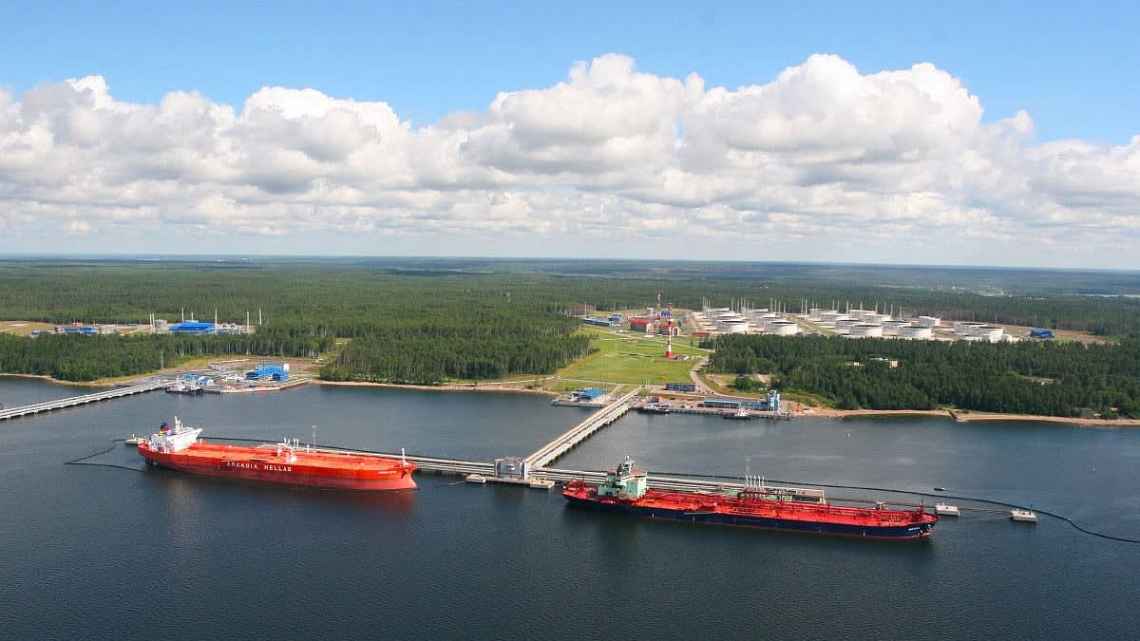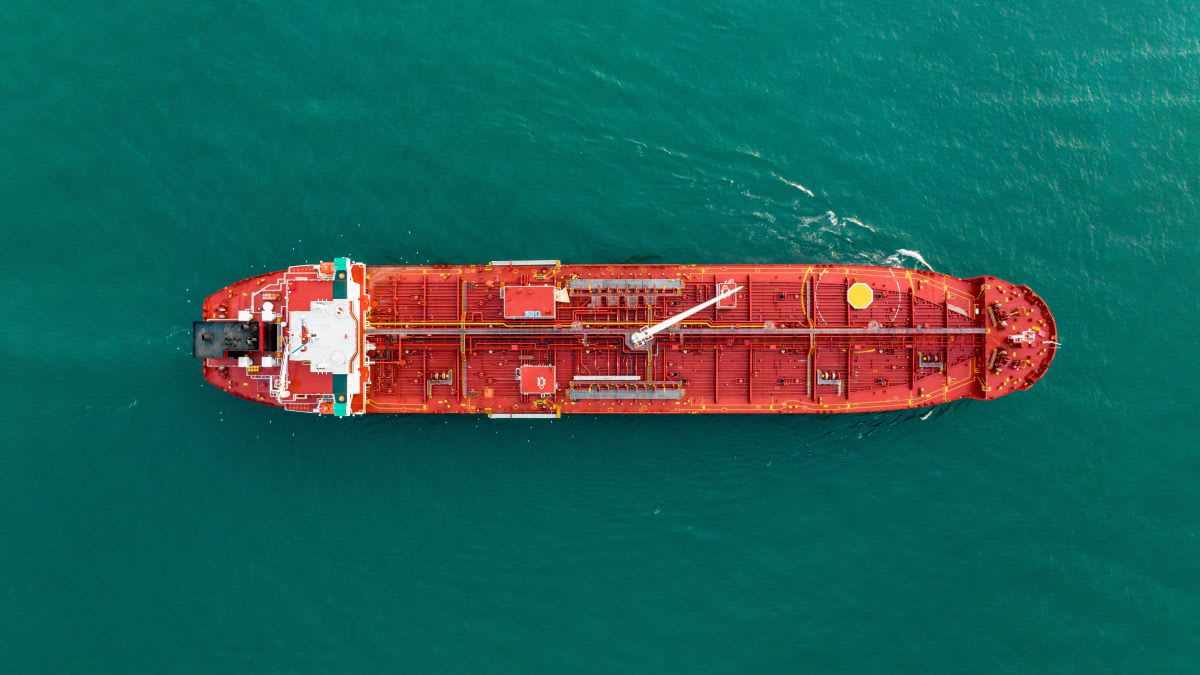
Brent crude climbed back above $100 per barrel on Friday after the United States launched retaliatory strikes on Iranian targets linked to attacks on American naval forces in the Strait of Hormuz, reversing a sharp midweek selloff that had briefly pushed prices below the psychological threshold on peace deal optimism.
Fresh Escalation Derails Ceasefire Hopes
The price of Brent crude, the global benchmark, rose approximately 2 percent to around $102 per barrel on Friday, while West Texas Intermediate climbed about 2 percent to $96 per barrel, according to The New York Times. The rebound followed a volatile week in which Brent fell as low as $97 on Wednesday and Thursday after President Donald Trump said discussions with Iran had been “very productive,” raising hopes of a diplomatic breakthrough that could reopen the Strait of Hormuz.
Those hopes evaporated Thursday evening when the U.S. military confirmed it had struck Iranian targets in response to attacks on American forces. Trump maintained that a ceasefire was still in effect but warned Tehran to accept Washington’s peace proposal or face consequences, stating ominously that Iran would end up as “one big glow”.
A Market Defined by War
Oil markets have been in turmoil since the U.S.-Israel conflict with Iran began on February 28, shutting down the Strait of Hormuz — through which roughly 20 percent of global oil supply transits. Brent crude has surged more than 55 percent since the war’s onset, hitting nearly $120 per barrel at its peak in March, according to CNBC.
The U.S. Energy Information Administration forecasts Brent will peak at an average of $115 per barrel in the second quarter of 2026 before easing as production shut-ins slowly abate. Global oil inventories fell by 85 million barrels in March alone as Hormuz flows were choked off, according to the IEA’s April Oil Market Report. Goldman Sachs warned this week that total global stocks have dropped to about 101 days of expected demand — the lowest level in nearly eight years.
No Easy Resolution
The crisis has pushed U.S. gasoline prices to a national average of $4.56 per gallon, a 53 percent increase since the conflict began, according to the AAA motor club. Earlier this week, Trump’s “Project Freedom” initiative — an attempt to use the U.S. Navy to escort stranded tankers through the strait — was rebuffed after Iran fired warning shots at an approaching American warship.
Iranian officials said they were still contemplating Washington’s peace proposal and would communicate their response via Pakistan. With the strait largely closed since early March and no agreement in sight, traders continue to treat $100 per barrel as a floor supported by supply risk rather than a ceiling defined by demand.