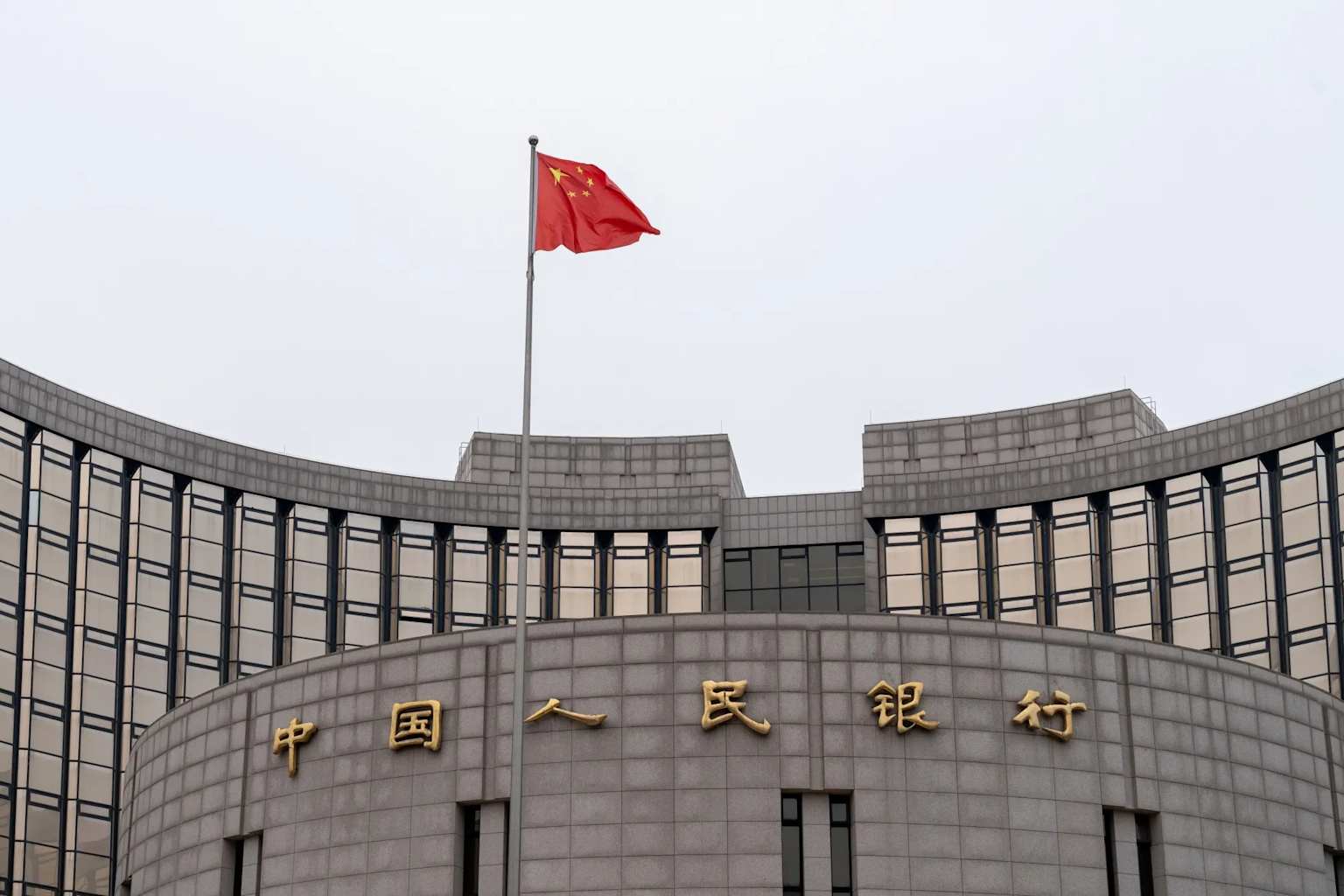
The People’s Bank of China set the yuan’s daily reference rate at 6.8487 per dollar on Thursday, the strongest fixing since March 2023, as the greenback continues to weaken amid broader concerns over U.S. fiscal sustainability and shifting global capital flows.
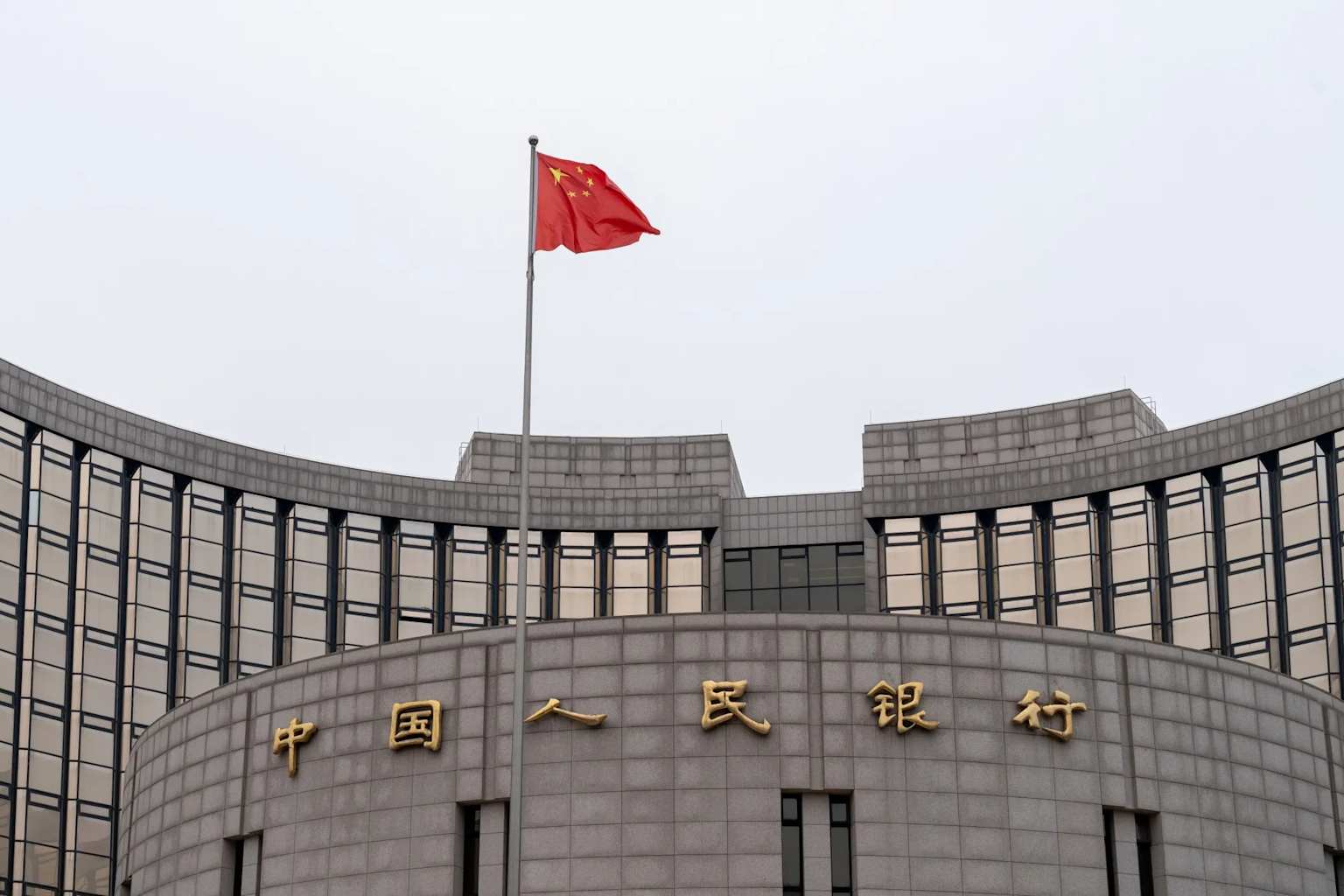
Dollar Decline Fuels Yuan Strength
The US Dollar Index has fallen to around 98.0 as of this week, down from highs above 100 earlier in the year, extending a prolonged slide that began in 2025. Analysts attribute the decline to Federal Reserve rate cuts, concerns over Fed independence under the Trump administration, and what markets have dubbed the “sell America” trade — a broad reallocation of global capital away from U.S. assets.
The yuan’s fixing on Thursday was 75 basis points stronger than the previous session, according to Xinhua. In the onshore spot market, the dollar fell to as low as 6.80 yuan, the weakest since February 2023, according to LSEG data reported by The Wall Street Journal. Asian currencies more broadly gained against the dollar as geopolitical tensions in the Middle East showed signs of easing, with MUFG Bank’s Lloyd Chan noting “a restrained desire for further escalation” in the Strait of Hormuz conflict.
Outlook and Reserves
Analysts project further yuan appreciation. Trading Economics forecasts the yuan at 6.82 by the end of the current quarter and 6.77 in 12 months. A March analysis from TMGM projected the yuan trading within a range of 6.6 to 7.0 in 2026, with 6.6 as a potential short-term ceiling.
China’s foreign exchange reserves stood at $3.3421 trillion at the end of March, down 2.5% from the February peak of $3.4278 trillion — itself the highest level in over a decade — after a stronger dollar in March weighed on valuations. April reserves data has not yet been officially released.
The PBOC has walked a careful line throughout the yuan’s appreciation cycle, which began in April 2025. Since late 2025, the central bank has implemented counter-cyclical adjustments to prevent overly rapid one-way appreciation, consistently setting midpoint fixings weaker than market models predict. Thursday’s fixing, while the firmest in over two years, continued this pattern of managed, gradual strengthening rather than unchecked appreciation.