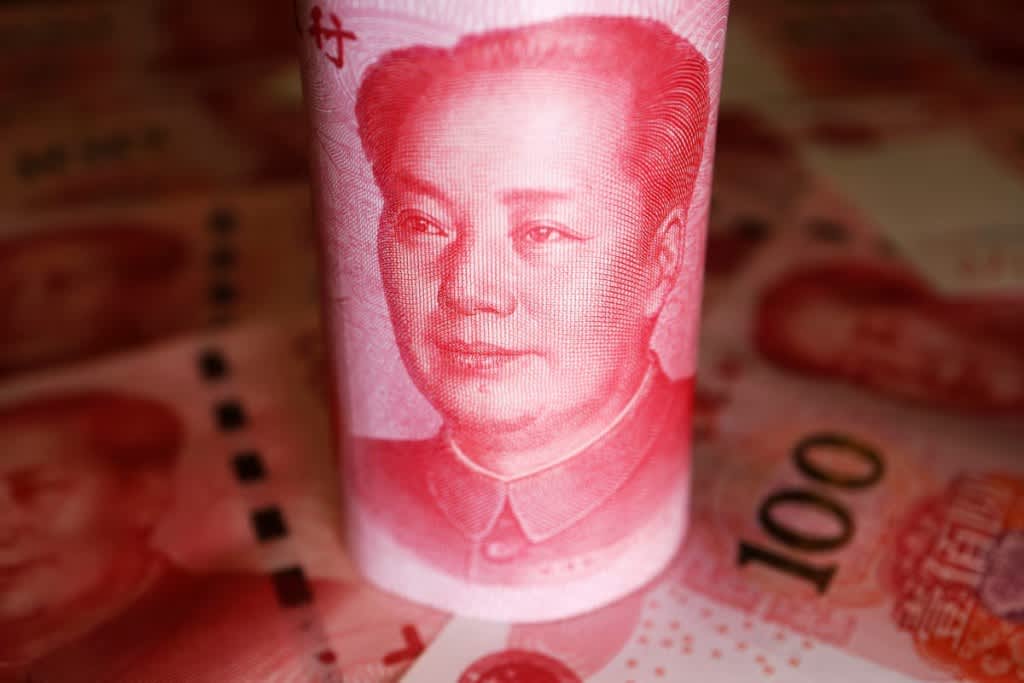
The economic fallout from the 2026 Iran war continues to deepen, with fresh warnings from major financial institutions underscoring the growing probability that prolonged conflict in the Middle East will tip the world into recession. Rabobank this week lowered its China GDP forecast to 4.5% for 2026, citing war-related risks including trade disruptions, capital flight, and technology decoupling that could subtract 1-2 percentage points from annual growth. The warning follows an April assessment by the International Monetary Fund that cut its global growth outlook and flagged recession as a real possibility if the Strait of Hormuz remains closed.

Griffin’s Blunt Warning
Citadel CEO Ken Griffin delivered one of the starkest assessments yet at the Semafor World Economy conference in Washington in April, stating plainly that a prolonged closure of the Strait of Hormuz makes recession unavoidable. “Let’s assume [the Strait is] shut down for the next six to 12 months — the world’s going to end up in a recession,” Griffin said, according to CNBC. “There’s no way to avoid that.”
Griffin noted that Asia remains particularly vulnerable, with oil still hovering around $100 per barrel — well above the pre-war level of just under $70. He added that the disruption would likely accelerate a transition toward alternative energy sources including wind, solar, and nuclear power.
Mounting Institutional Alarm
The IMF’s April World Economic Outlook projected global growth falling to 3.1% in 2026 under an optimistic scenario, down from 3.4% in 2025. In an adverse scenario involving a longer shutdown and sharper energy price increases, growth could fall to 2.5%, with inflation rising to 5.4%. Goldman Sachs raised its U.S. recession probability to 30%, JPMorgan sees a 35% chance, and Moody’s Analytics chief economist Mark Zandi put the odds at 49%.
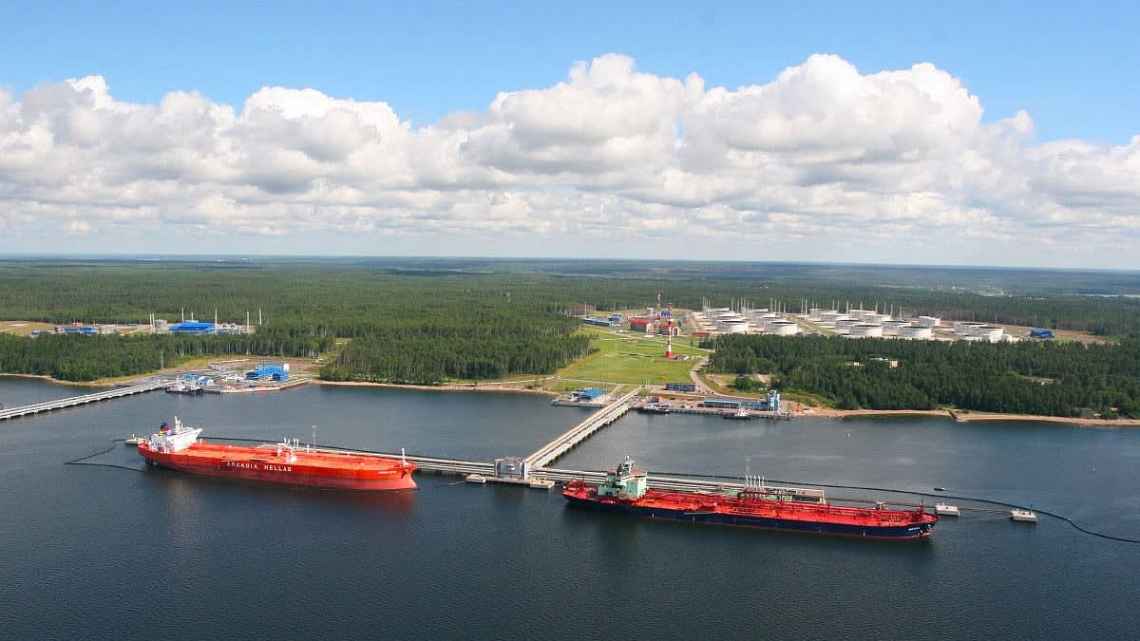
The closure of the Strait of Hormuz beginning in early March triggered what the International Energy Agency called the “largest supply disruption in the history of the global oil market,” with Gulf oil production dropping by at least 10 million barrels per day within days. The European Central Bank postponed planned rate cuts, and economists have warned that energy-intensive economies face elevated risks of technical recession.
China’s Compounding Risks
Rabobank’s latest report, published this week, highlights how China’s already-slowing economy faces compounding pressures from geopolitical tensions. The bank now forecasts higher inflation at 0.7% and unemployment at 5.4% for 2026, warning that potential conflict scenarios involving Taiwan and the South China Sea add a new layer of uncertainty beyond traditional headwinds like property sector weakness and demographic decline. The bank advised investors to reassess exposure to Chinese markets, particularly in semiconductors, advanced manufacturing, and energy sectors.
With major banks and international institutions aligned in warning that the conflict’s economic toll will worsen if hostilities persist, the fragility of a global economy still absorbing the shock of disrupted energy flows remains the central concern for policymakers and markets alike.