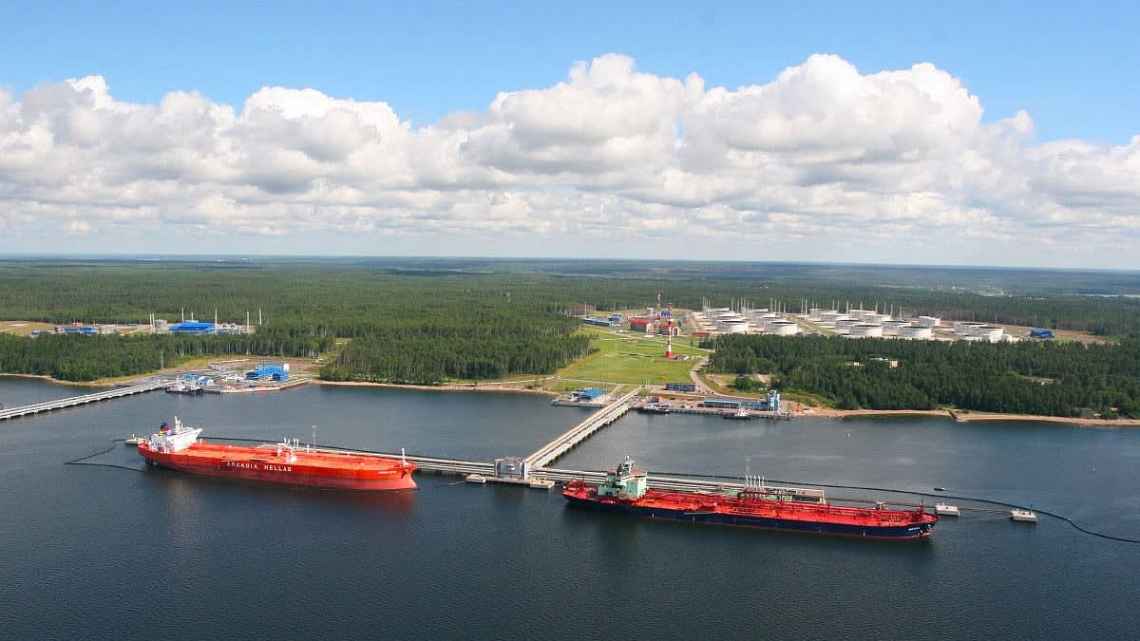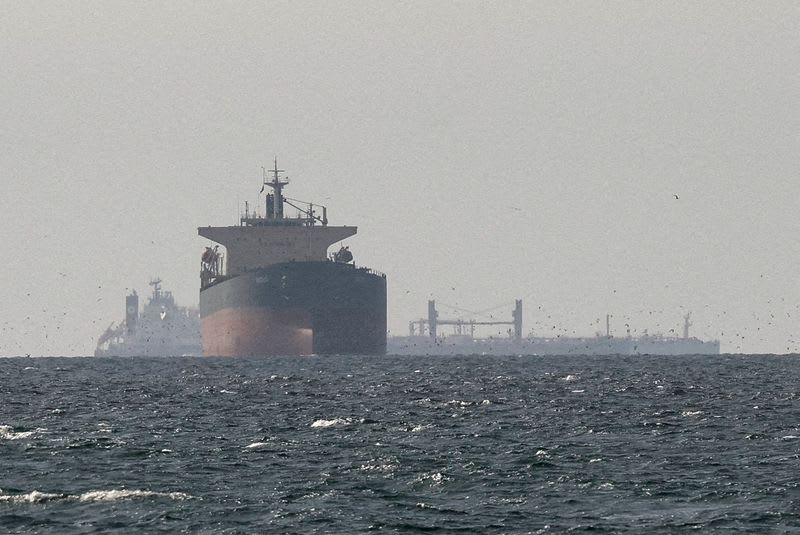
Even as oil futures have pulled back on optimism over a potential US-Iran peace agreement, energy analysts are cautioning that any diplomatic breakthrough will not quickly restore the physical flow of crude through the Strait of Hormuz. The disconnect between financial markets and real-world supply chains, they warn, means consumers and refiners face weeks to months of continued tightness regardless of what happens at the negotiating table.
A Six-to-Eight-Week Gap
Rystad Energy warned on May 6 that a credible deal to reopen the Strait of Hormuz would still leave physical oil markets disrupted for up to two months. Chief oil analyst Paola Rodriguez-Masiu cited what the firm called a “six-to-eight-week lag between credible access conditions and real flow normalization,” driven by the time needed to reprice marine insurance, resume tanker sailings, and restore confidence across the shipping industry.
Under an optimistic scenario involving a 30-day phased reopening, Rystad said meaningful volume recovery could begin as early as June, but processing port arrivals would lag by an additional four to six weeks. Global physical flows returning to 80–90% of pre-disruption levels are “a July story,” the firm said.
Diverging Price Forecasts
The range of analyst forecasts underscores the uncertainty. Barclays raised its average 2026 Brent crude forecast to $100 per barrel from $85 on May 1, citing the prolonged impasse in the strait. The bank warned that if disruptions persist through the end of May, prices could reprice toward $110.
BMI, the research unit of Fitch Solutions, has raised its 2026 Brent forecast to $78 per barrel under a core scenario of early-May resolution. However, the firm warned of upside risks if the conflict drags on, having previously flagged potential moves into the $110–$130 range under a prolonged disruption scenario. S&P Global Ratings separately raised its 2026 Brent assumption to $100 per barrel in late April.
The Structural Squeeze
The warnings come more than two months into a crisis that has effectively blocked one of the world’s most critical oil chokepoints. The US-Israeli military campaign against Iran, which began February 28, led to the closure of the Strait of Hormuz — a passage responsible for roughly 20% of global oil supply. President Trump declared the conflict “terminated” on May 1 to avoid a War Powers Resolution deadline, but US ships continue blockading Iranian oil exports while Iran maintains its own restrictions on strait passage.
Inventories in consuming nations are rapidly depleting, with Fortune reporting that stockpiles could hit “tank bottoms” within weeks if the closure persists. At the same time, Iran faces its own storage crisis, with officials telling Bloomberg it has roughly a month before running out of onshore capacity.
The physical market’s lag behind futures means that even in a best-case diplomatic outcome, refiners and consumers face a prolonged period of supply tightness — a reality that paper markets, driven by headlines, may be too quick to dismiss.