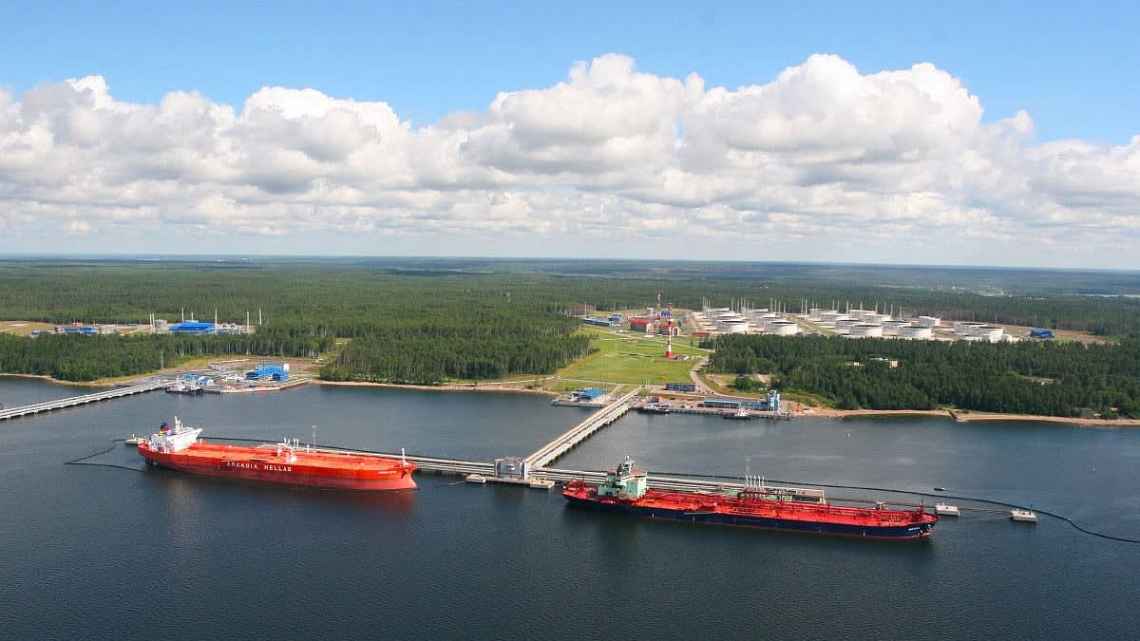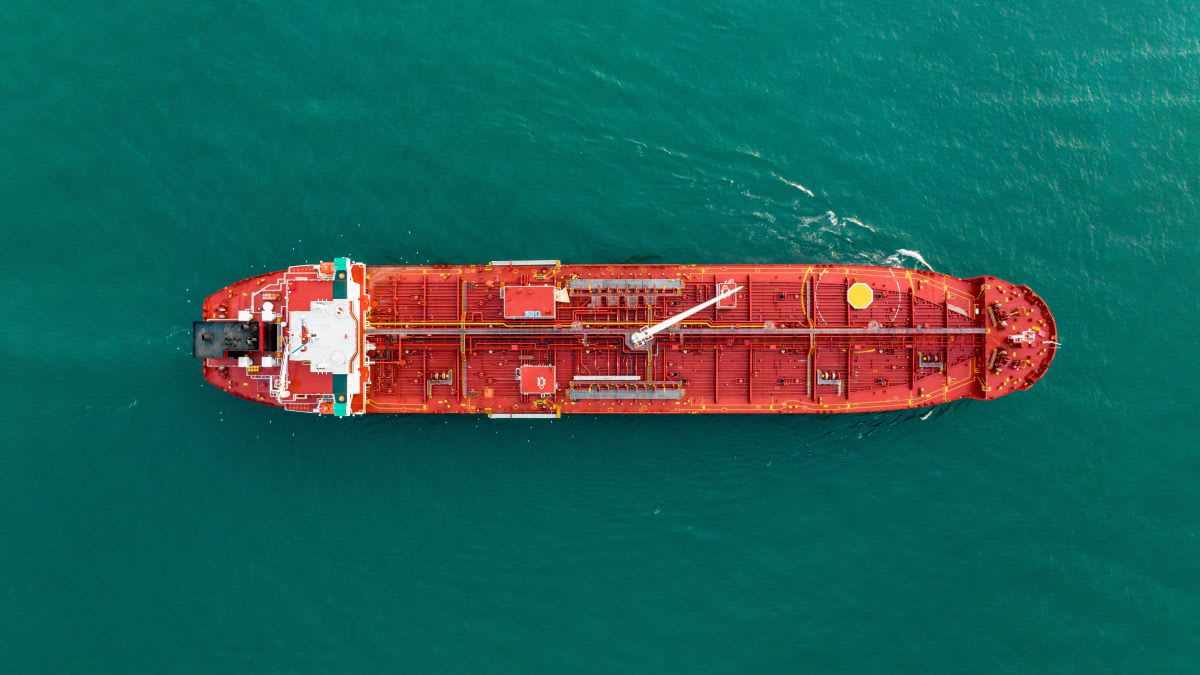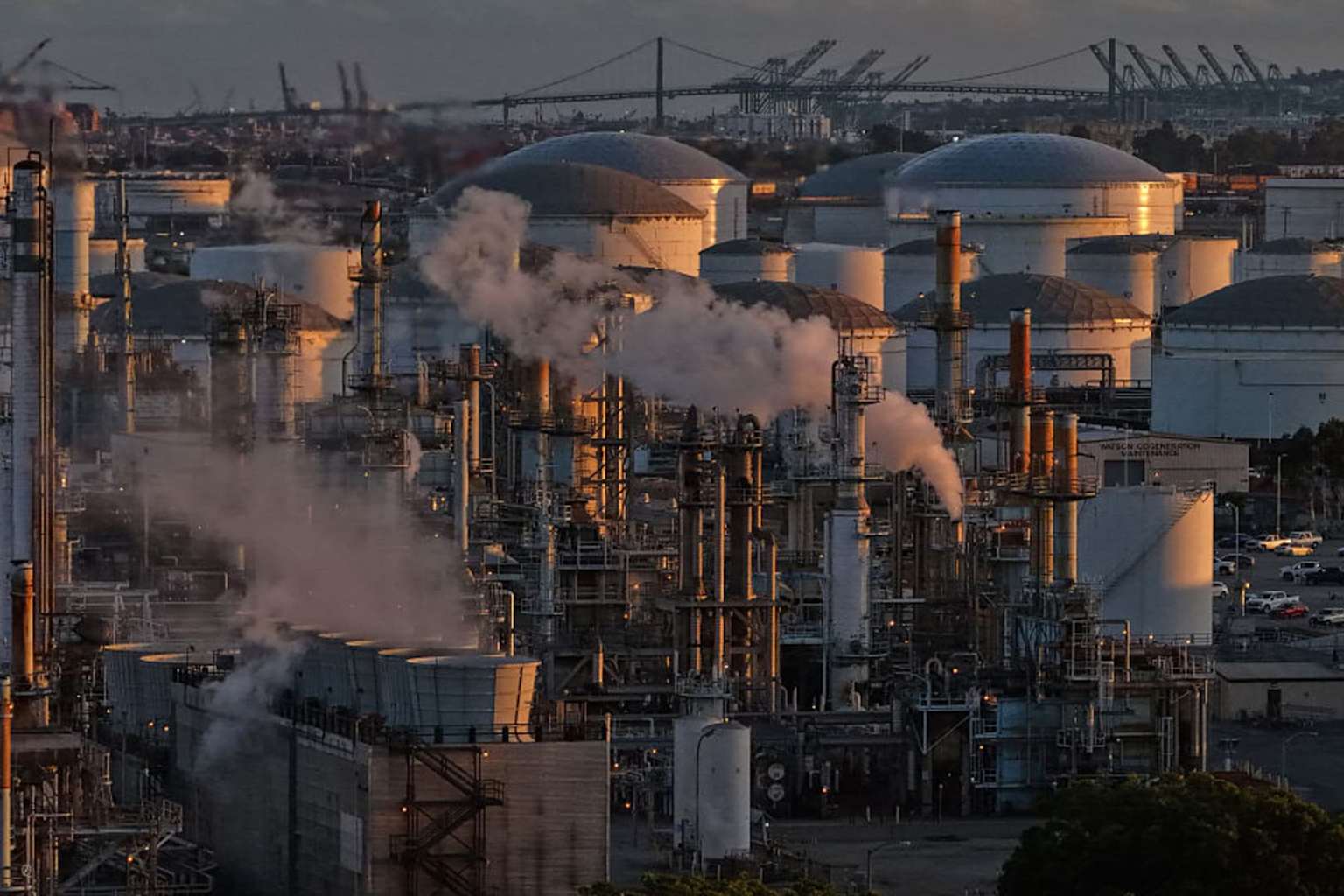
Oil prices plunged below $100 a barrel on Wednesday as reports emerged that the United States and Iran are closing in on a deal to end their 67-day war, triggering a worldwide rally in equities and a retreat in the U.S. dollar. Brent crude fell as much as 7.8% to $101.27 on Wednesday, briefly dipping below $97 before recovering, while West Texas Intermediate tumbled toward $95 per barrel.

The Deal That Moved Markets
The sell-off was sparked by an Axios report on Wednesday morning that Washington and Tehran are nearing a one-page memorandum of understanding with 14 specific points designed to formally end the conflict, initiate a 30-day negotiation period on reopening the Strait of Hormuz, and address Iran’s nuclear program. A Pakistani Foreign Ministry spokesperson confirmed the talks were progressing, saying “we expect an agreement sooner rather than later,” with Pakistan serving as mediator between the two sides.
President Trump amplified the optimism by announcing a pause in naval operations linked to the Strait of Hormuz and posting that the waterway could be “OPEN TO ALL” if Iran accepts the agreement. However, Trump later threatened to begin bombing “at a much higher level and intensity” if Iran does not comply.
Global Markets Surge
The peace optimism sent equities soaring. The S&P 500 climbed 1.5% on Wednesday to a fresh record of 7,365.12, while the Dow Jones Industrial Average jumped 612 points and the Nasdaq Composite rose 2%. On Thursday, Asian markets extended gains as Japan’s Nikkei 225 surged 5.7% to cross 62,000 for the first time, and MSCI’s broadest index of Asia-Pacific shares hit an all-time high. Pakistan’s KSE-100 soared nearly 7,000 points on Wednesday to settle at 171,704. The U.S. dollar weakened against major currencies, with the euro rising and the Australian dollar reaching a four-year high.
Unresolved Tensions
Despite the optimism, the fate of the Strait of Hormuz remains uncertain. Iran said it was reviewing the proposal but has not committed to reopening the waterway, whose closure since late February has disrupted roughly 20% of global oil supply. The deal’s prospects followed days of volatility after Trump launched “Project Freedom” — a naval escort operation for stranded commercial vessels — only to halt it within roughly 24 hours after Iranian strikes hit the UAE’s Fujairah oil hub on Monday, injuring three Indian citizens and igniting a fire at a petroleum complex. The UAE condemned the attacks as “treacherous” and reserved its right to respond.
By Thursday morning in Asia, Brent crude had edged back above $102 a barrel, a reminder that markets remain on edge over whether diplomacy can hold.