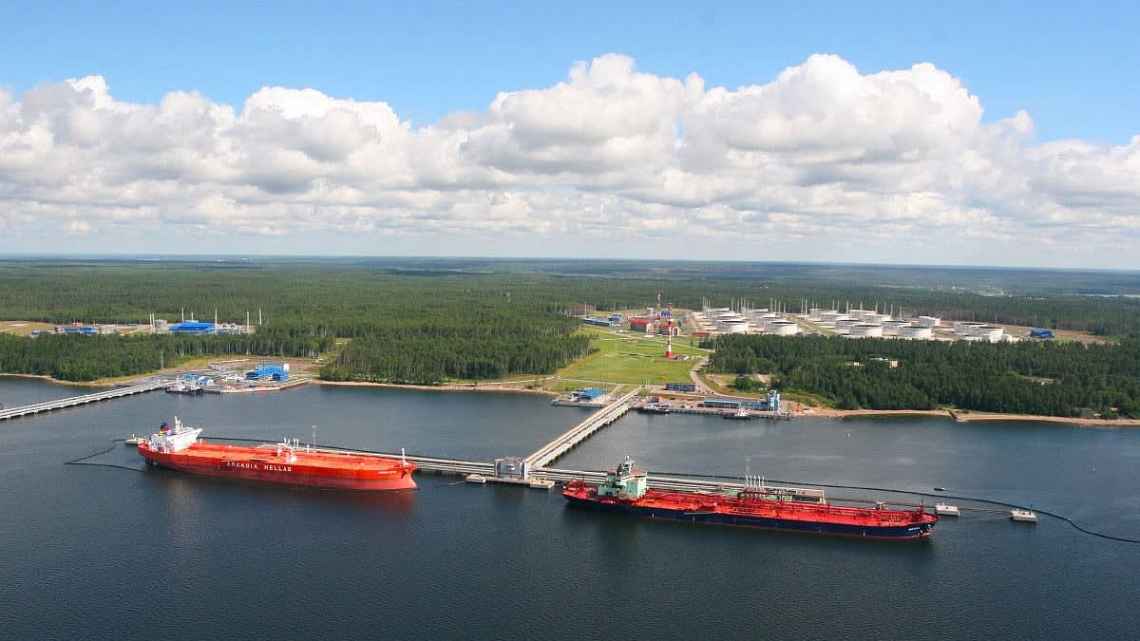
A new acronym is making the rounds on trading floors: NACHO — “Not A Chance Hormuz Opens.” The term, which reflects deep skepticism that the Strait of Hormuz will reopen to normal shipping anytime soon, has become shorthand for a suite of trades premised on persistently high oil prices, elevated inflation, and a Federal Reserve unable to cut interest rates.
From TACO to NACHO
The NACHO trade replaces an earlier Wall Street coinage, TACO — “Trump Always Chickens Out” — a term popularized by Financial Times columnist Robert Armstrong in May 2025 to describe a pattern in which markets would dip after aggressive policy announcements from President Trump, only to recover when he walked them back. Bloomberg columnist Javier Blas introduced the NACHO variant on April 29 in a post on X: “We thought we were getting a TACO, ‘Trump Always Chickens Out.’ But so far we are getting a NACHO, ‘Not A Chance Hormuz Opens'”.
The trade, as described by Fortune, involves assuming that insurers will not cover ships transiting the Strait, that oil prices will remain elevated and fuel inflation, and that the Fed will therefore be unable to ease monetary policy.
A Crisis Entering Its Third Month
The Strait of Hormuz has been effectively closed since late February, when U.S. and Israeli strikes on Iran prompted Tehran to shut down the waterway through which roughly 20 percent of global oil normally flows. A ceasefire declared on April 8 failed to restore meaningful shipping traffic, and hostilities flared again this week when Iran fired upon U.S. warships in the Strait.
Brent crude was trading around $100 a barrel on Friday morning, according to Fortune, having pulled back from higher levels earlier in the week. Shipping insurance premiums remain roughly eight times pre-war levels, with war-risk charges running between 0.8 and 3 percent of vessel value compared with the pre-conflict norm of 0.1 to 0.15 percent.
Markets Price in Extended Disruption
Goldman Sachs has repeatedly raised its oil forecasts as the crisis dragged on, most recently lifting its fourth-quarter Brent target to $90 per barrel from $80. Under an adverse scenario in which exports do not normalize until late July, the bank sees Brent averaging above $100 through year-end.
J.P. Morgan warned this week that commercial oil inventories are “on track to approach operational stress levels by early June,” after which countries would need to drain reserves from facilities that require minimum volumes to stay operational. Goldman Sachs estimated total global stocks could fall to 98 days of demand by the end of May.
White House spokesperson Kush Desai dismissed the NACHO narrative, and President Trump insisted the ceasefire remained in effect despite the exchange of fire, writing on Truth Social: “We’ll knock them out a lot harder, and a lot more violently, in the future, if they don’t get their Deal signed, FAST!”