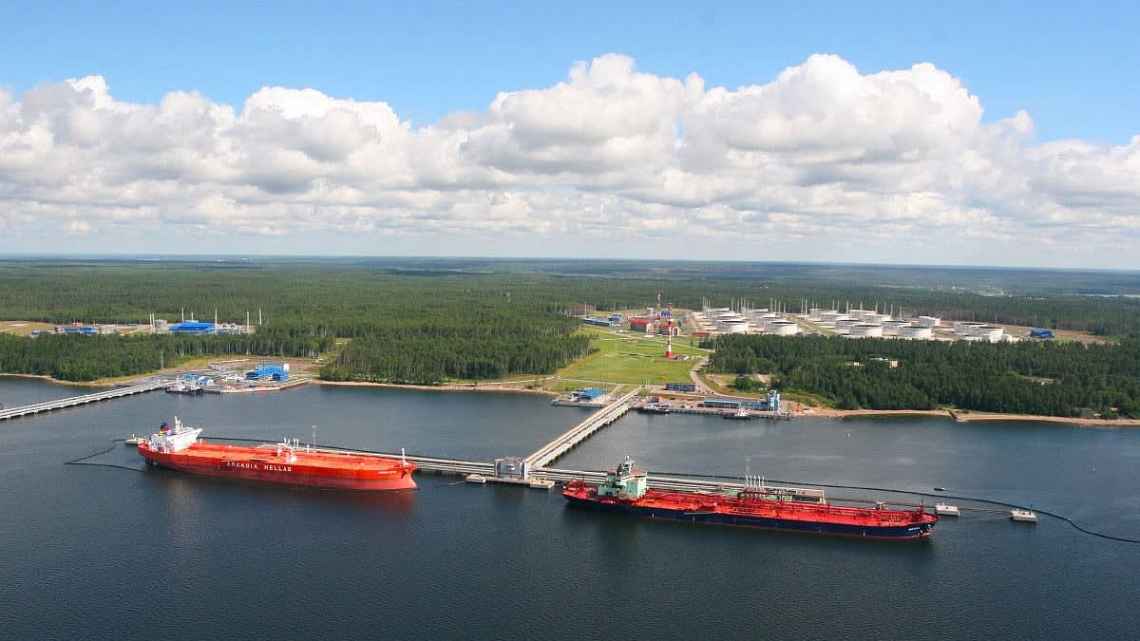
Renewed exchanges of fire between the United States and Iran in the Strait of Hormuz pushed Brent crude back above $100 per barrel on Friday, dragging European equities lower even as Wall Street rallied on a stronger-than-expected April jobs report.

European Markets Slide on Energy Fears
European shares dropped on Friday as the latest flare-up between US and Iranian forces dashed hopes for a near-term reopening of the Strait of Hormuz, a chokepoint for roughly a quarter of the world’s seaborne oil trade. The pan-European Stoxx 600 fell 1.1%, its steepest decline since March 26, while Germany’s DAX lost 1.0% to 24,663.61, France’s CAC 40 shed 1.2%, and Britain’s FTSE 100 dropped 1.5% to 10,276.95. Energy-sensitive sectors including banks, industrials, and travel bore the brunt of the selloff as rising crude prices stoked inflation concerns.
Brent crude climbed above $101 per barrel on Friday morning, gaining more than 1% after the US military said it carried out retaliatory strikes on Iranian military facilities linked to attacks on American naval destroyers transiting the strait. Iran accused Washington of violating the month-old ceasefire and claimed US forces had targeted an Iranian-flagged tanker and struck civilian areas. President Donald Trump maintained the truce remained in effect.
Wall Street Defies Geopolitical Gloom
US stocks moved sharply in the opposite direction. The S&P 500 climbed toward a fresh record and was on track for a sixth consecutive winning week after the Labor Department reported that employers added 115,000 jobs in April — nearly double the 65,000 median forecast from economists surveyed by Bloomberg. The Nasdaq Composite led gains with a rise of more than 1%, while the Dow Jones Industrial Average edged higher. The unemployment rate held steady at 4.3%.
The divergence between US and European markets underscored the different channels through which the conflict is hitting the global economy. While American companies have reported strong earnings and the domestic labor market remains resilient, Europe faces a more direct hit from energy costs given its greater reliance on Middle Eastern crude.
Strait of Hormuz Remains Closed
The waterway has been effectively shut to normal commercial traffic since Iran blockaded it in late February following US and Israeli strikes that killed Supreme Leader Ali Khamenei. A ceasefire agreed on April 8 brought initial relief, but repeated clashes have prevented any meaningful resumption of tanker flows. The International Energy Agency estimates regional supply losses at around 14 million barrels per day, only partly offset by surging US exports, strategic reserve releases, and demand destruction. Hundreds of commercial vessels remain stranded in the Persian Gulf, and only two merchant ships are known to have successfully navigated a US-secured passage announced earlier this week.
Investors now await Iran’s response to the latest US peace proposal, which Washington said it expected as soon as Friday.